Wool Blend Rugs & Carpet

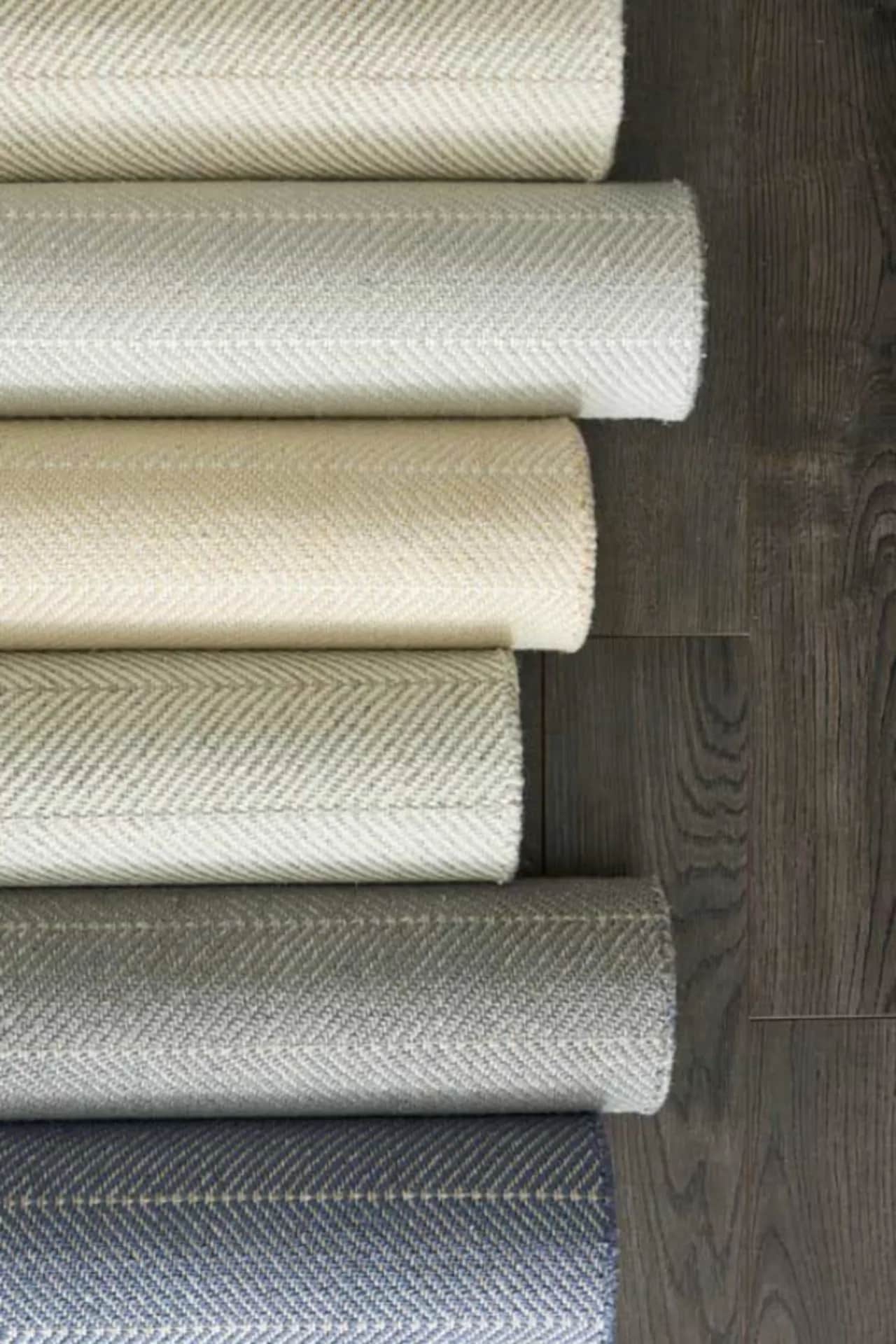
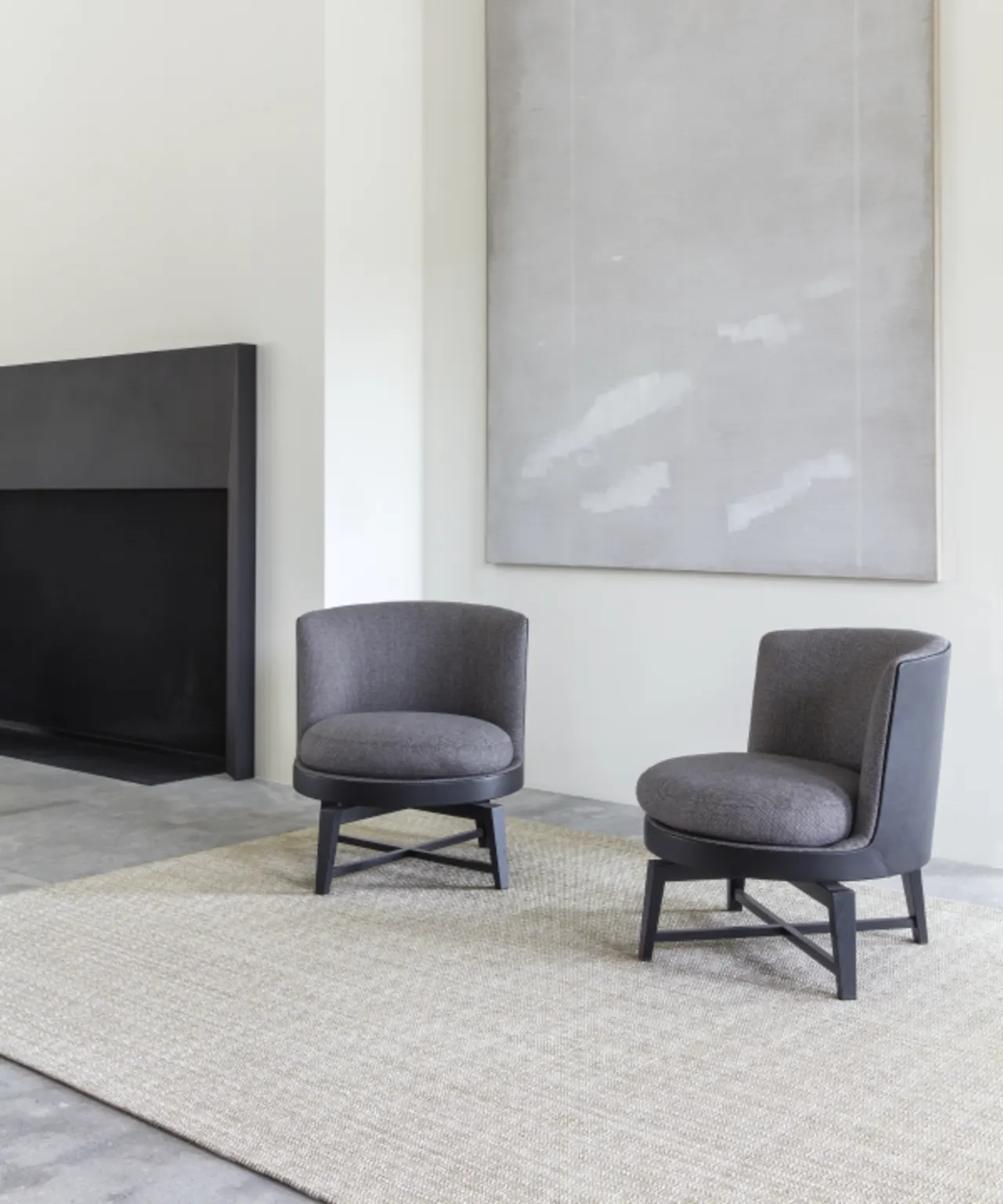
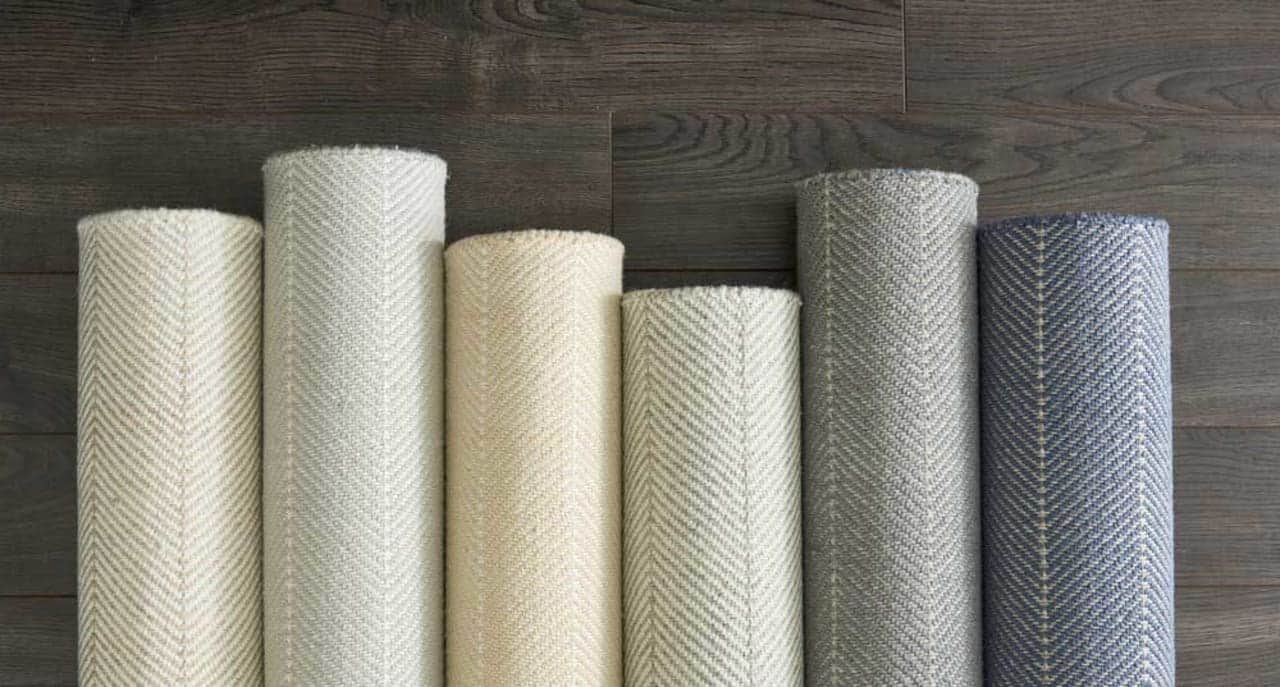
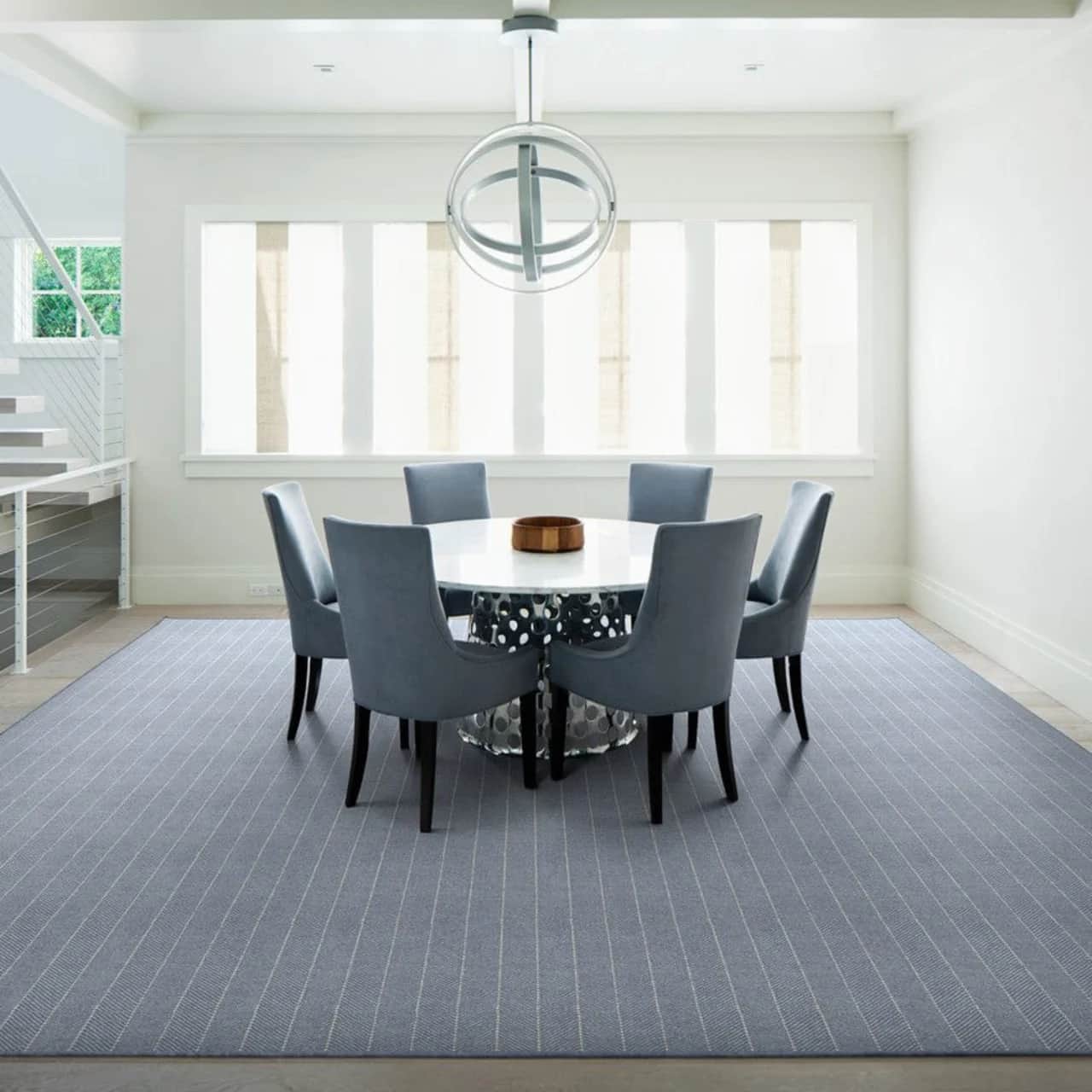
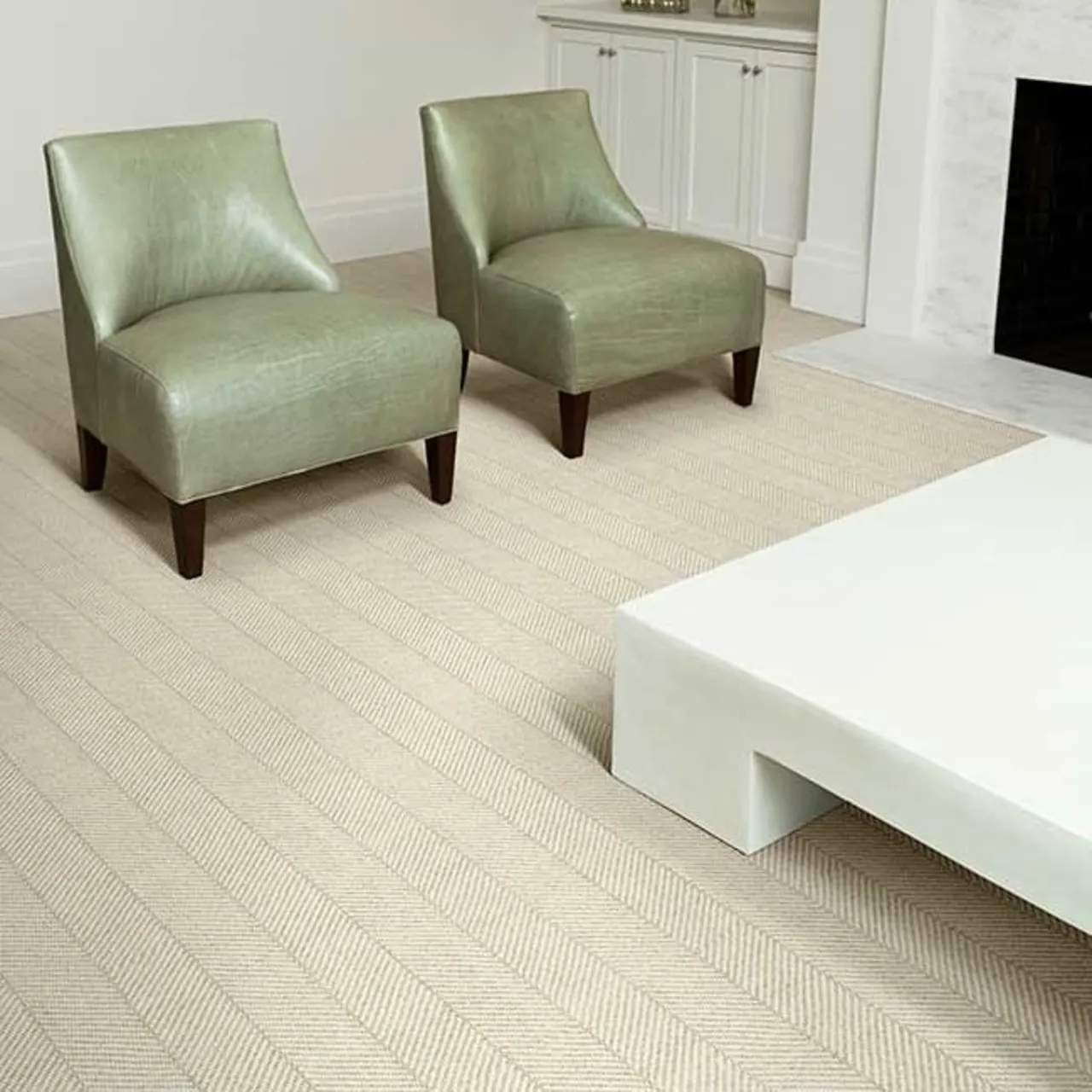
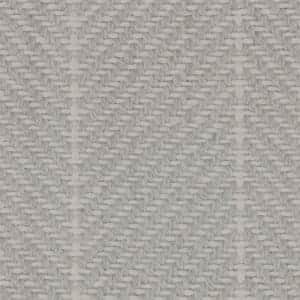
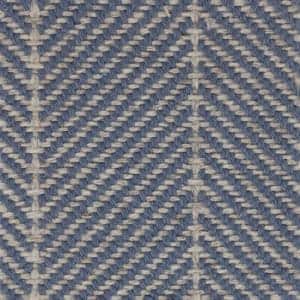
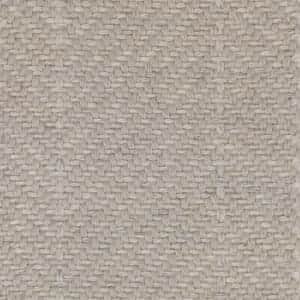
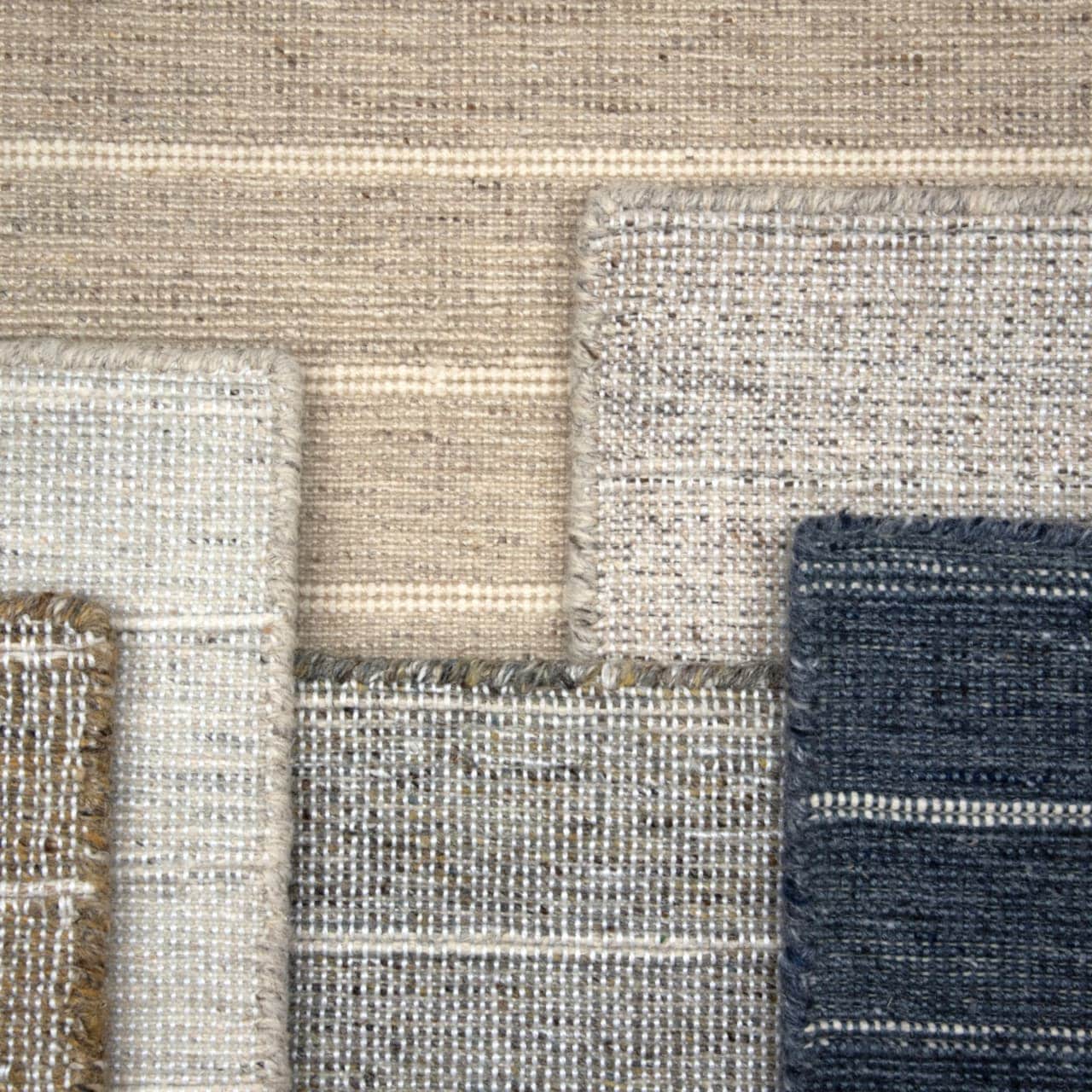
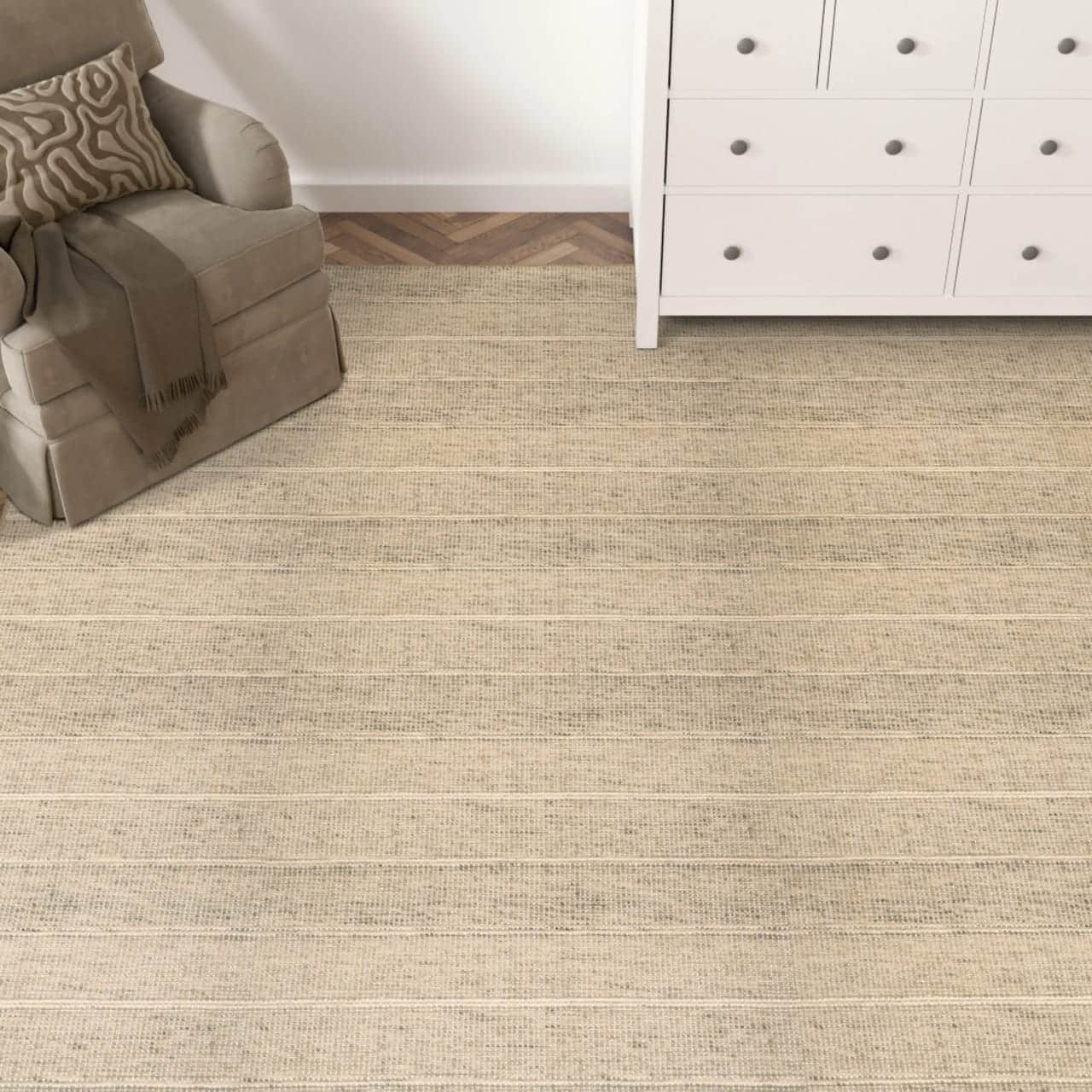
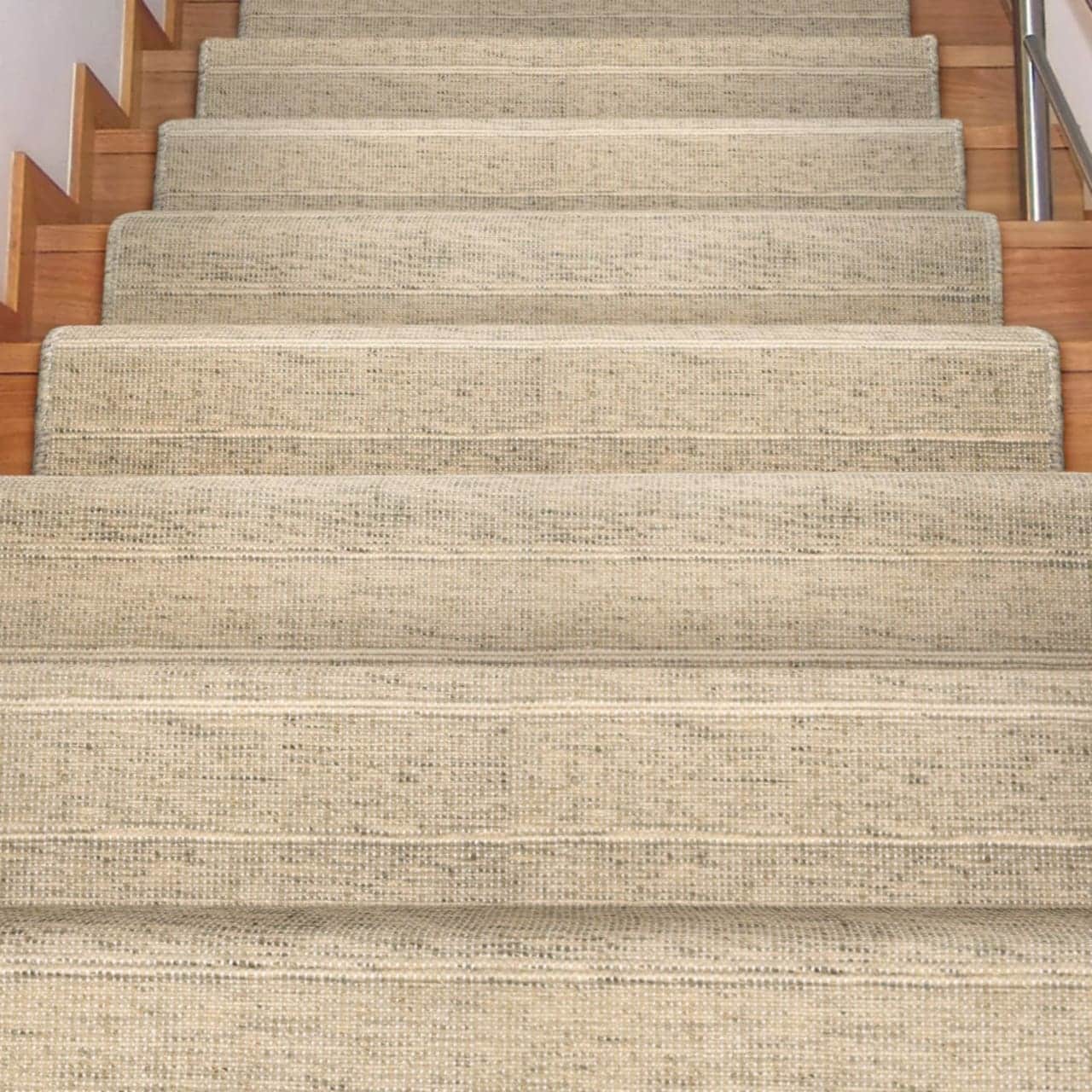
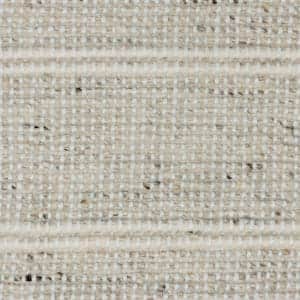
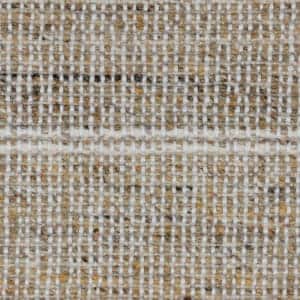
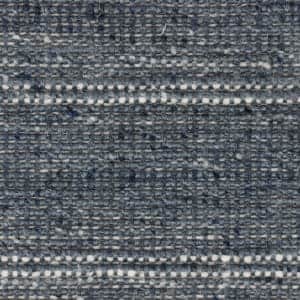
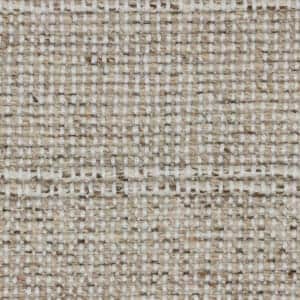
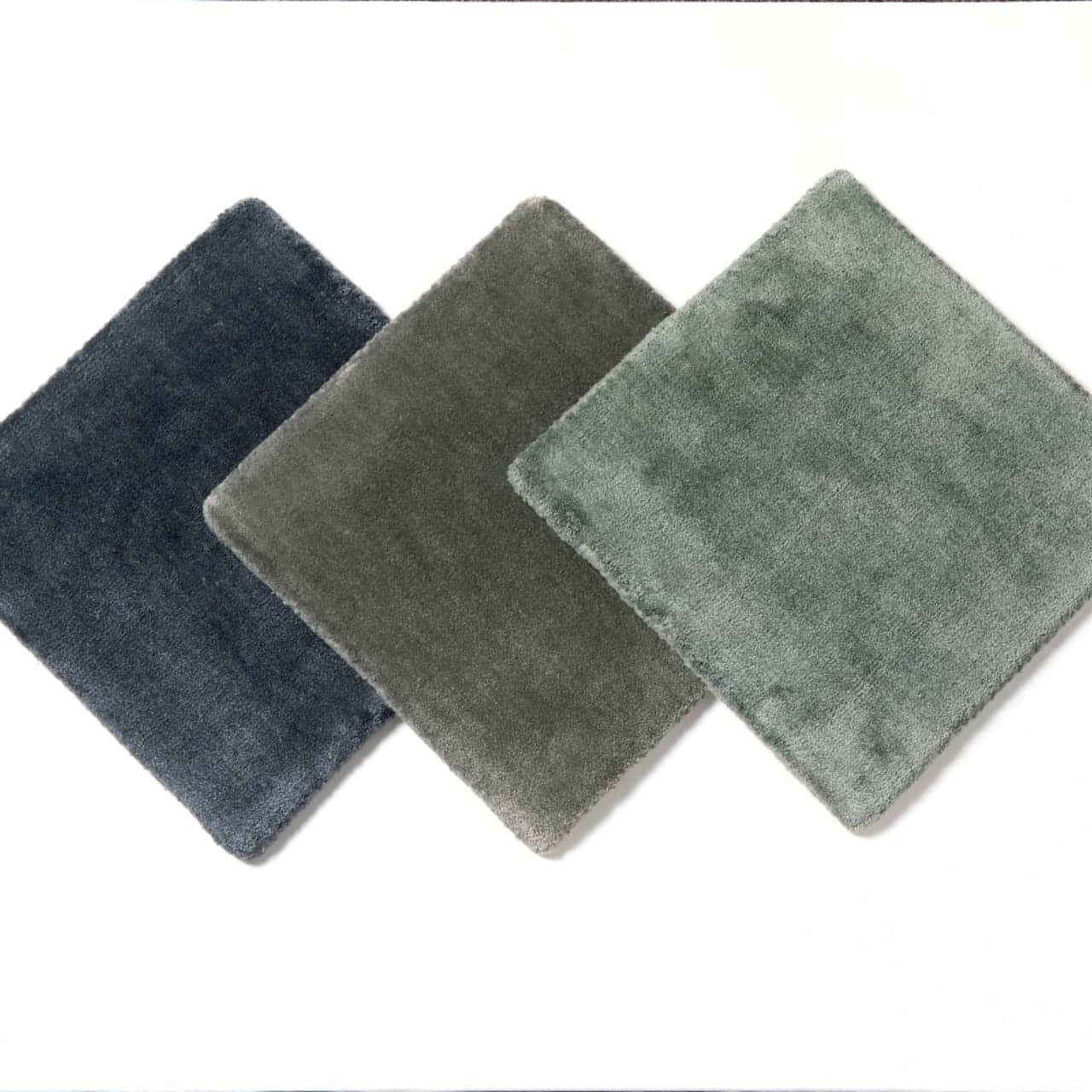

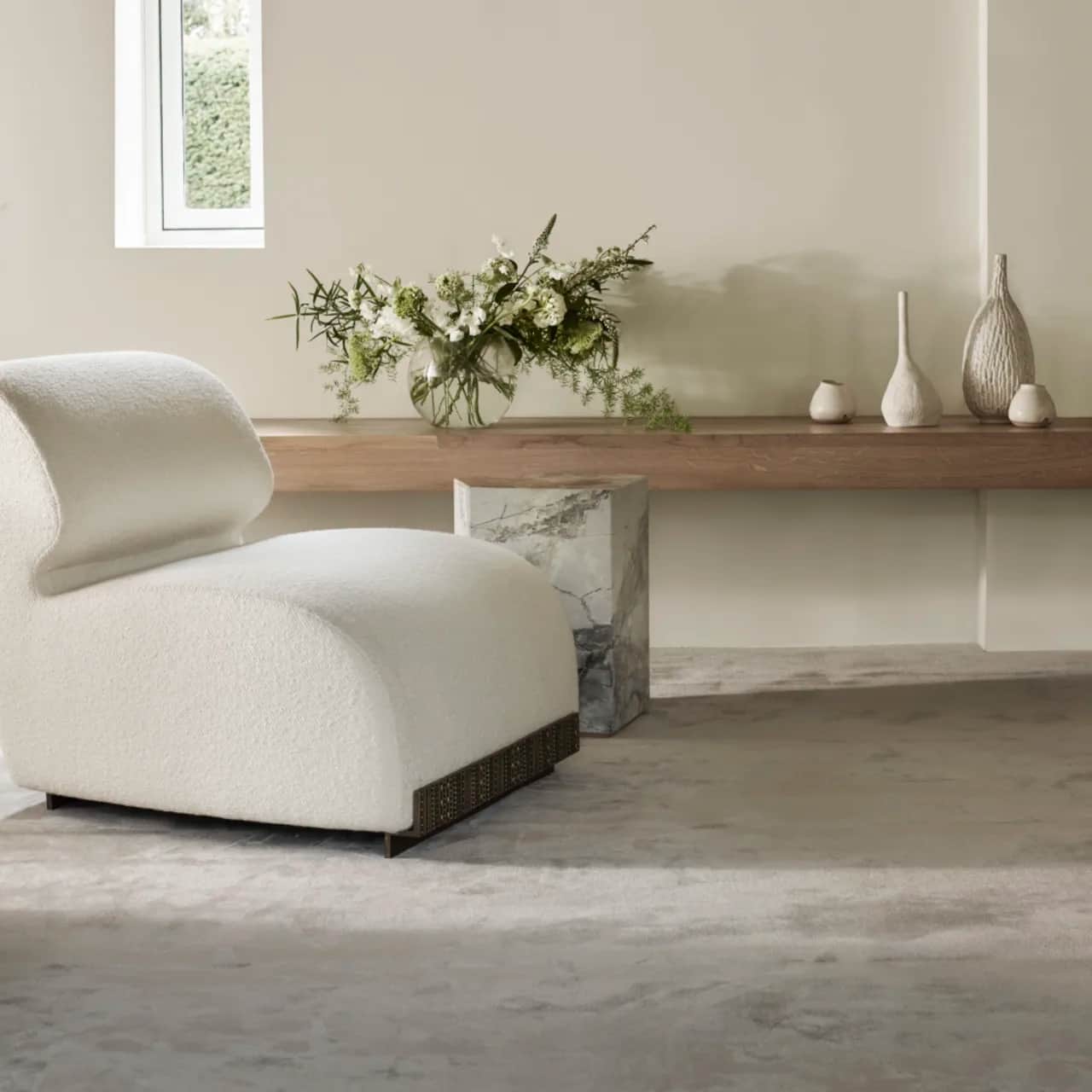
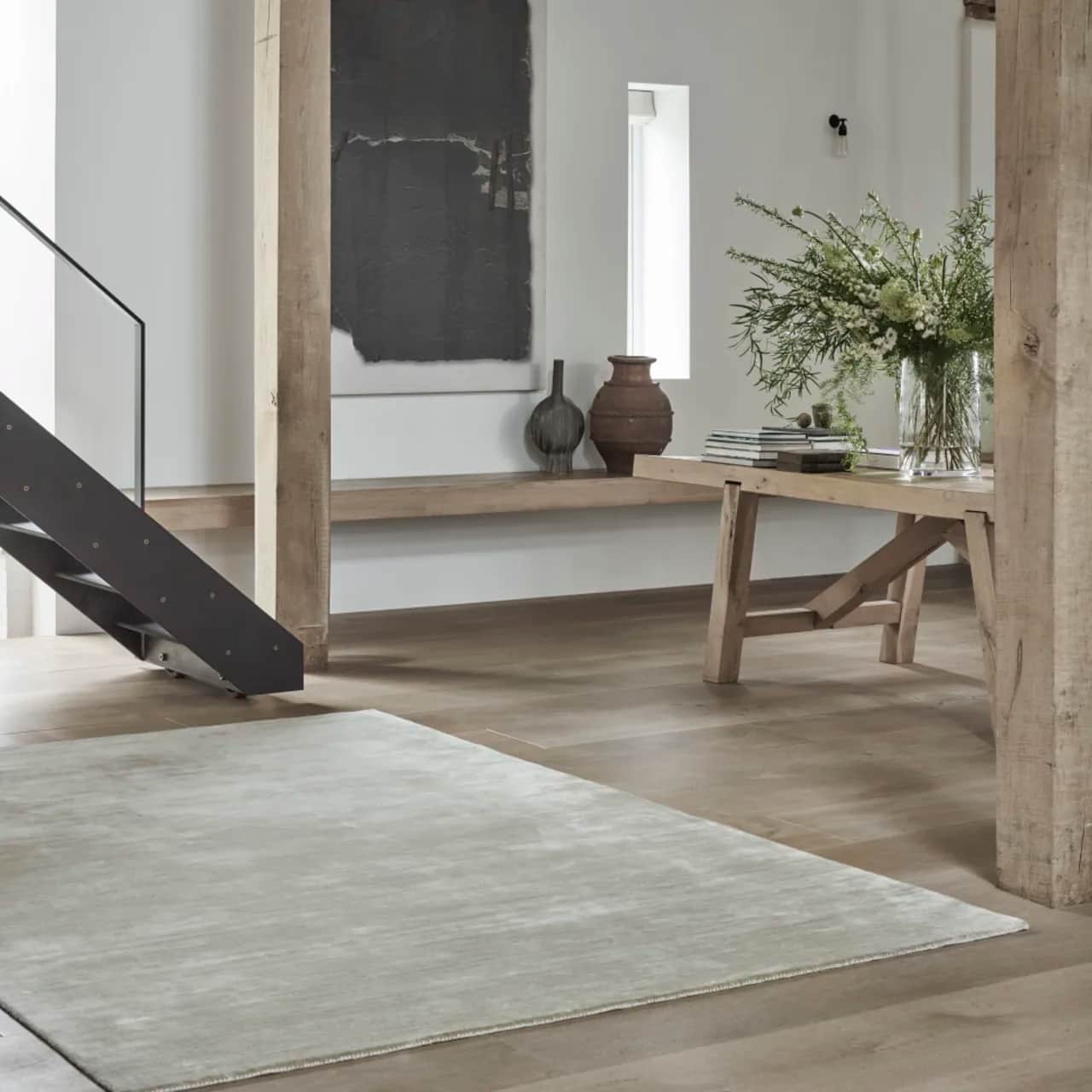
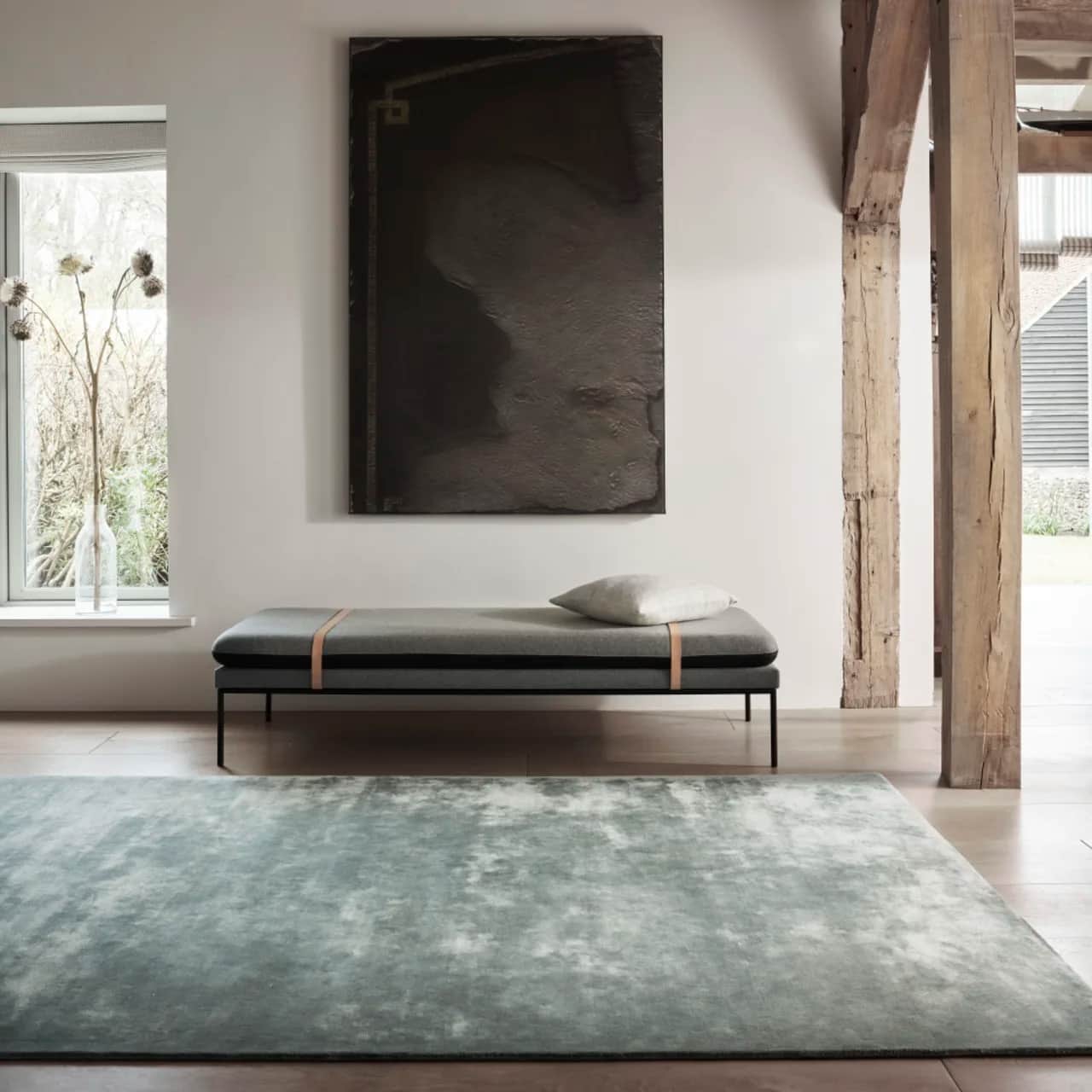
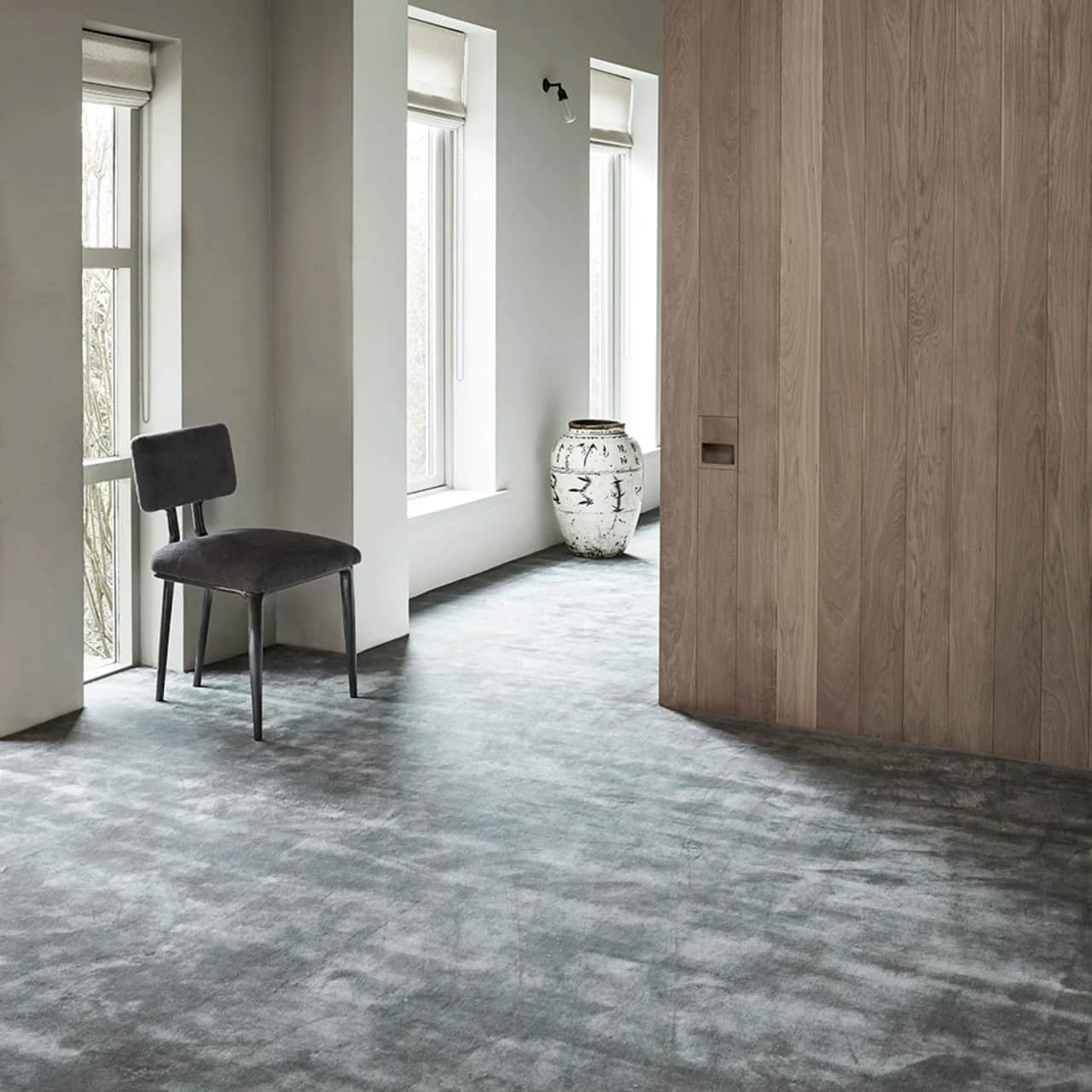
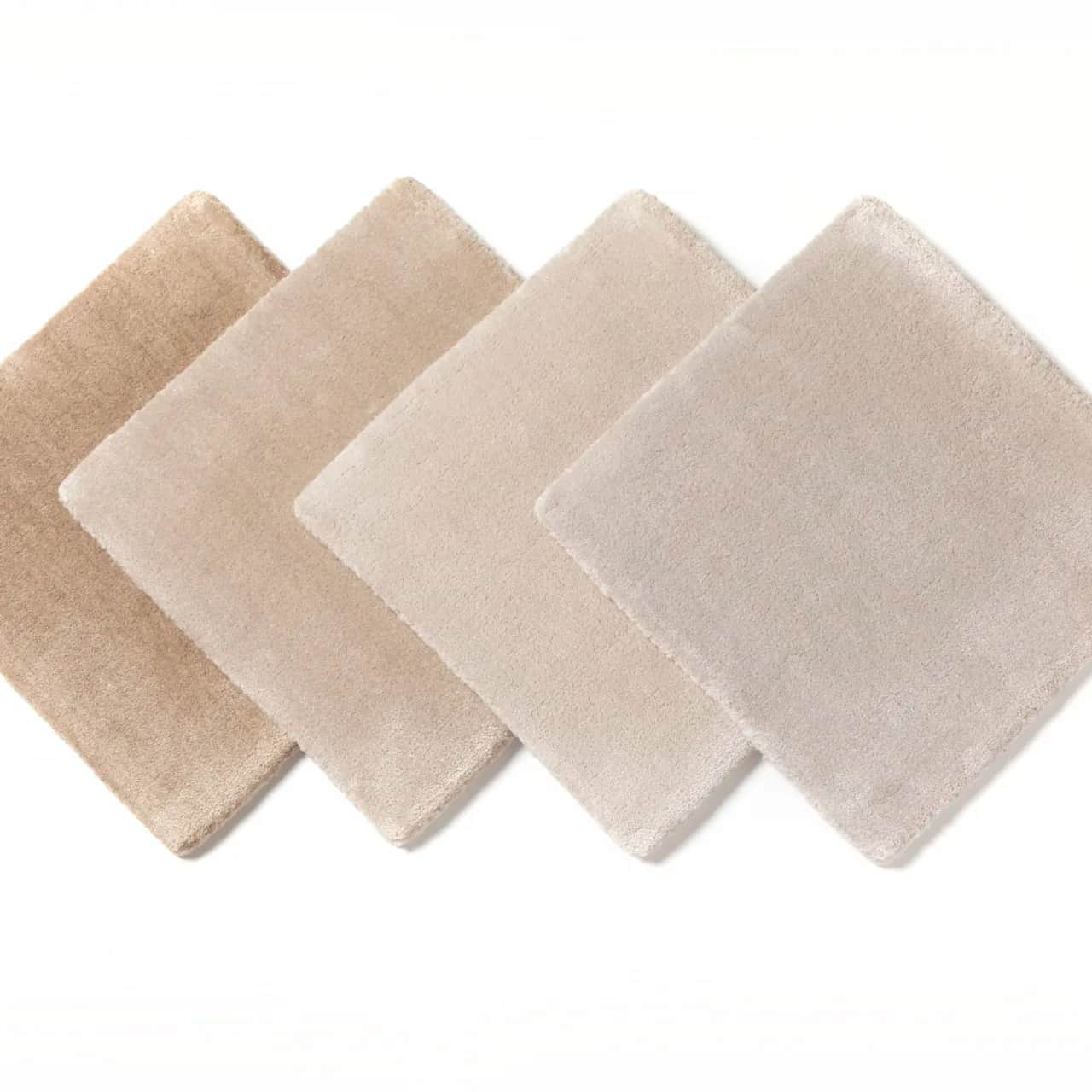
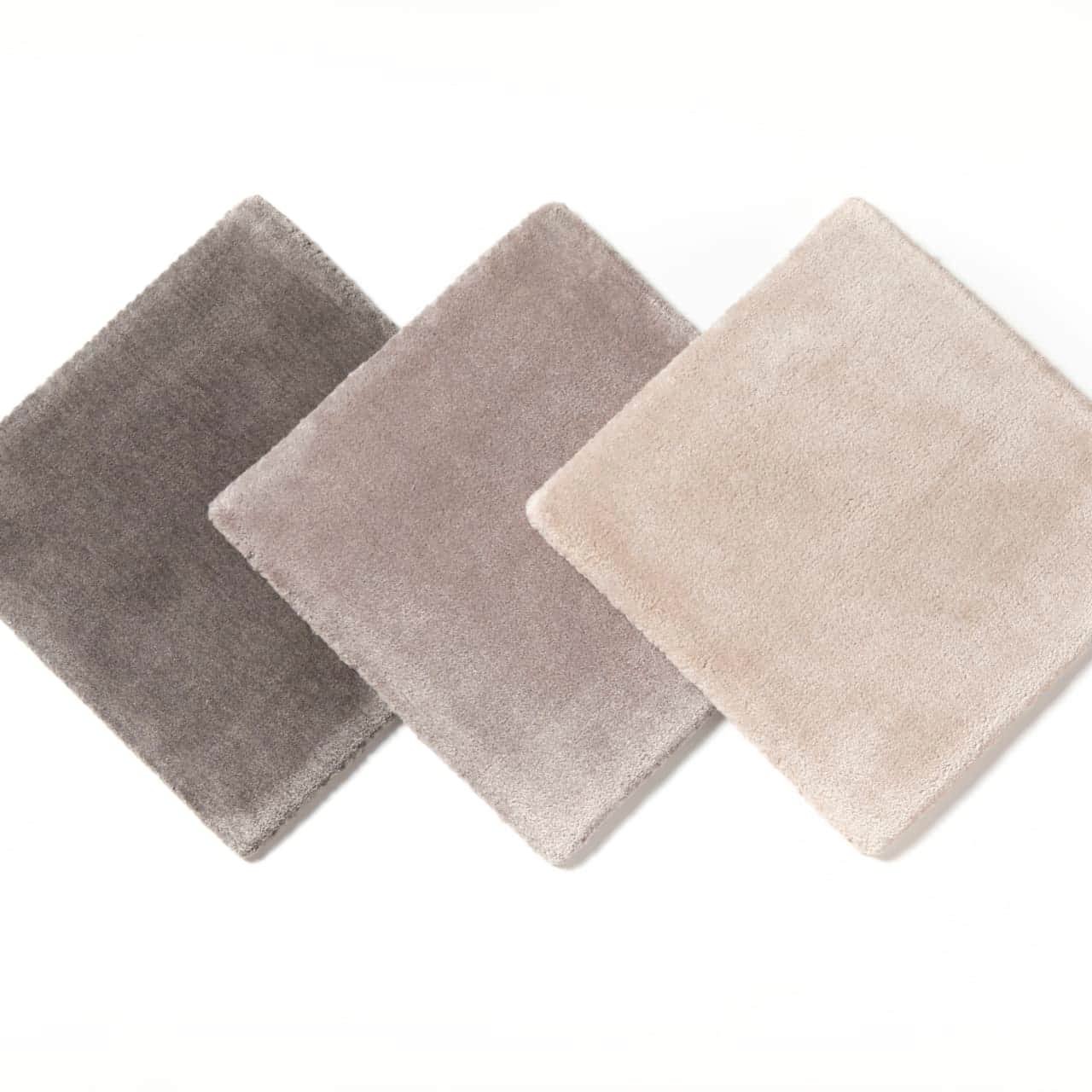
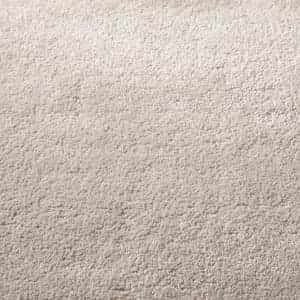
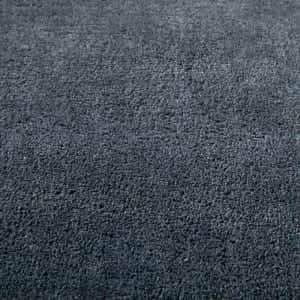
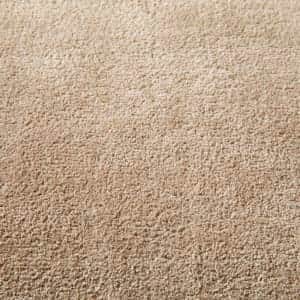
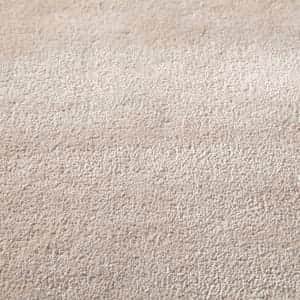
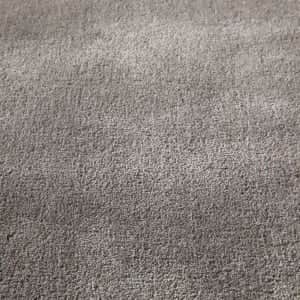
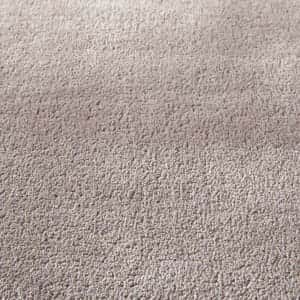
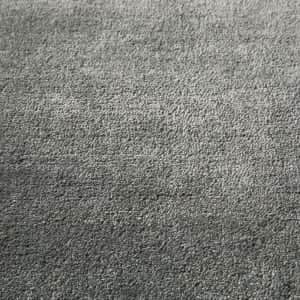
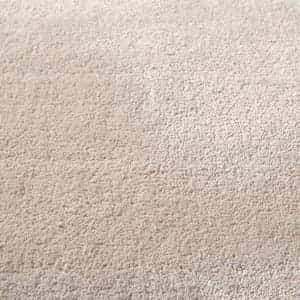
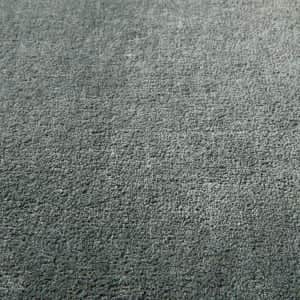
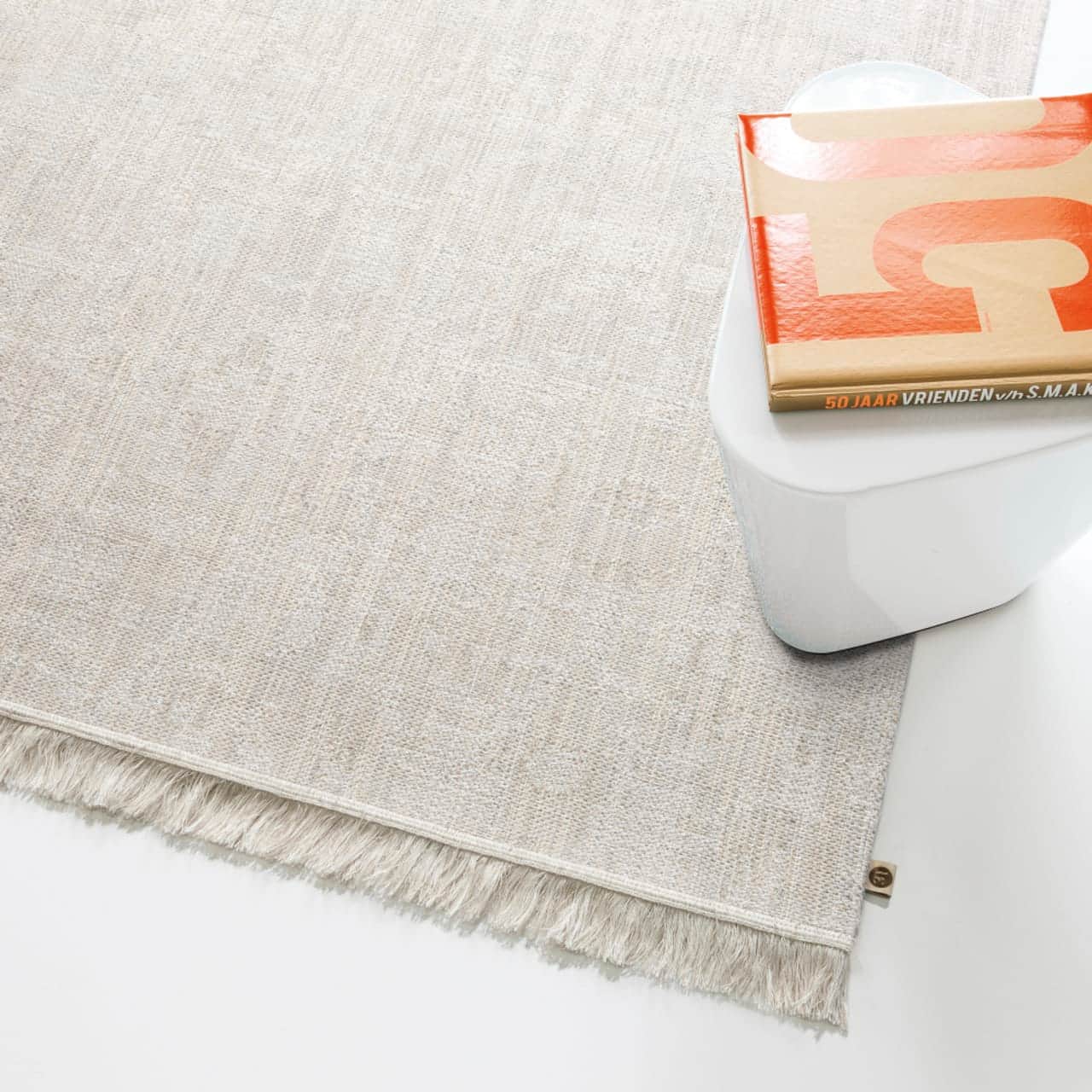
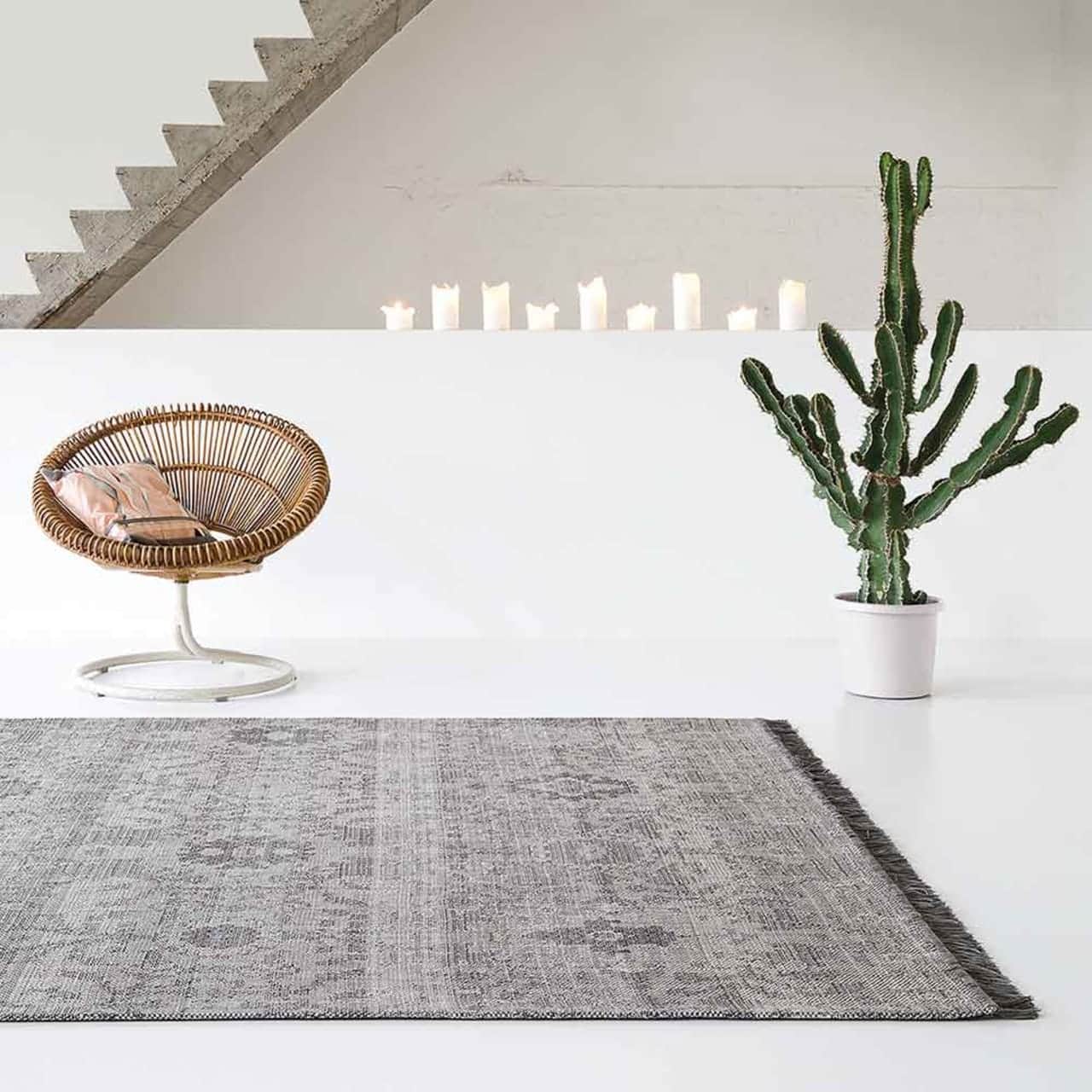
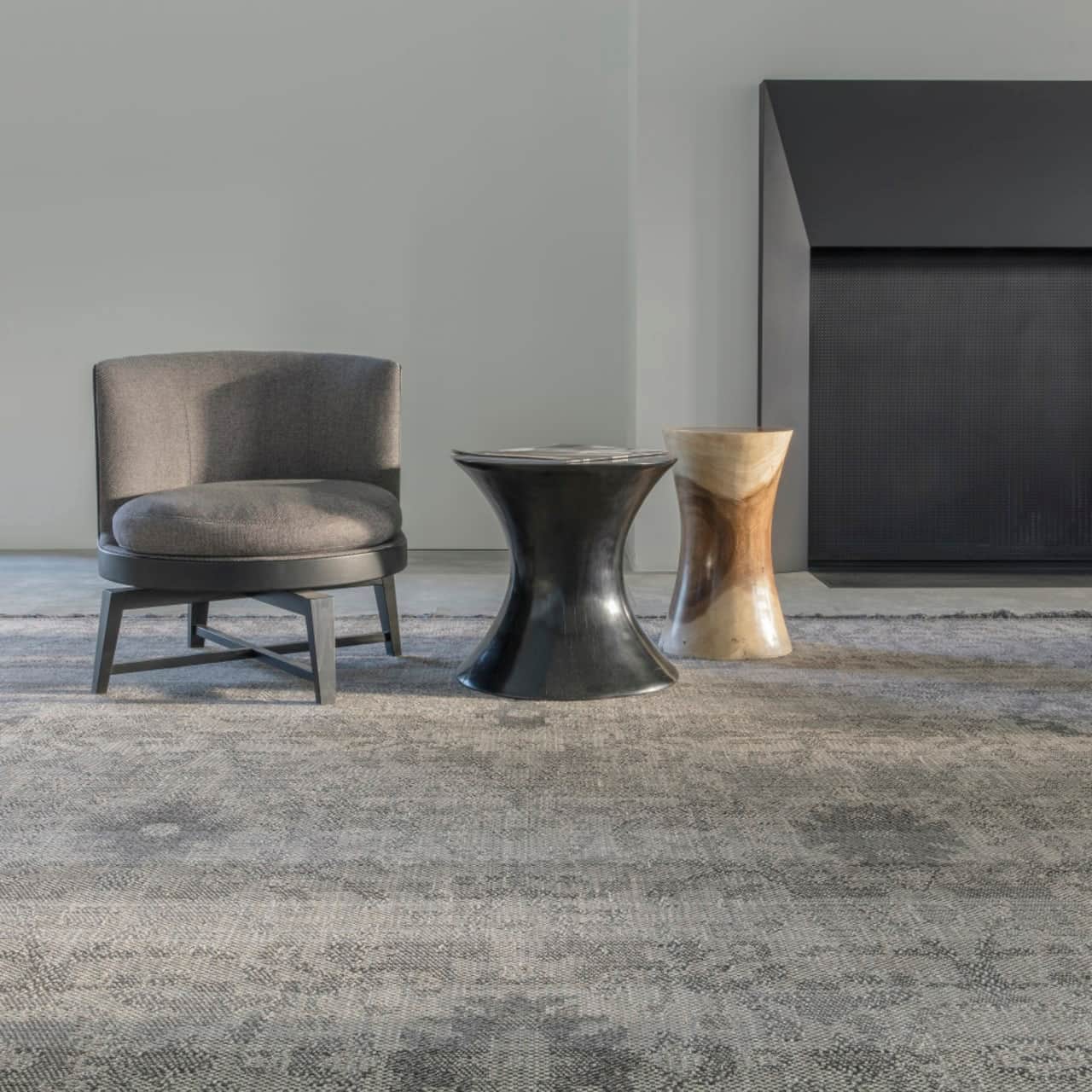

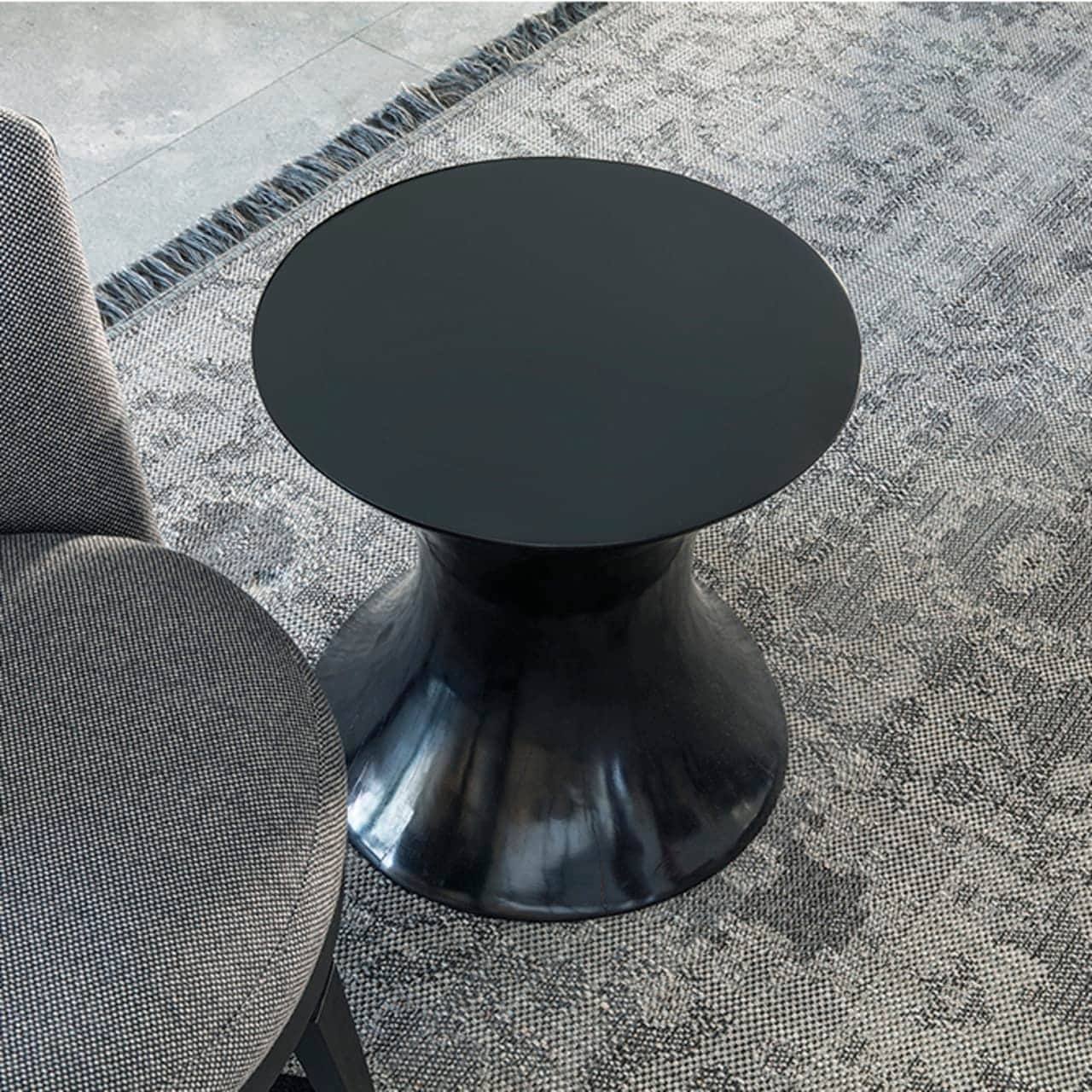
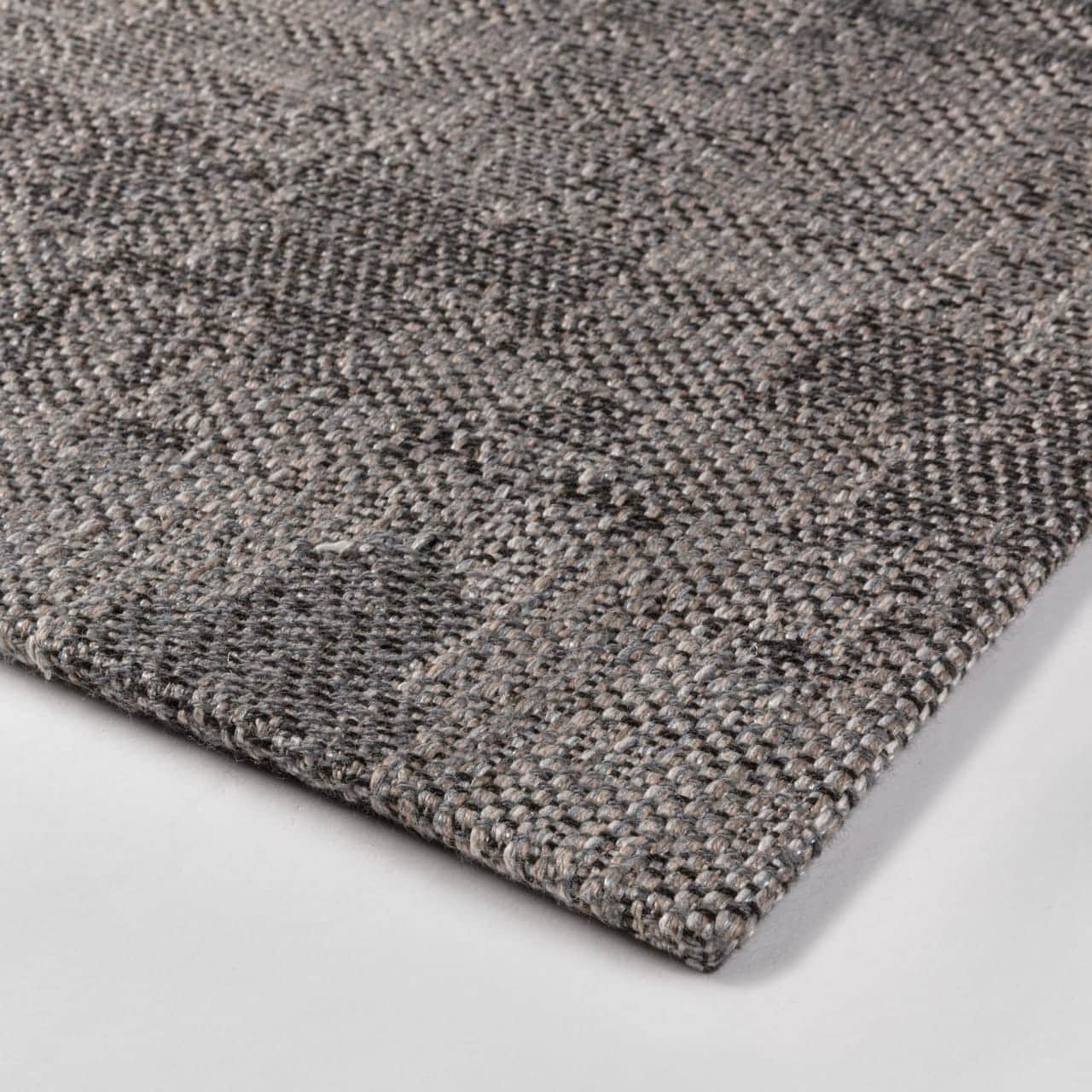
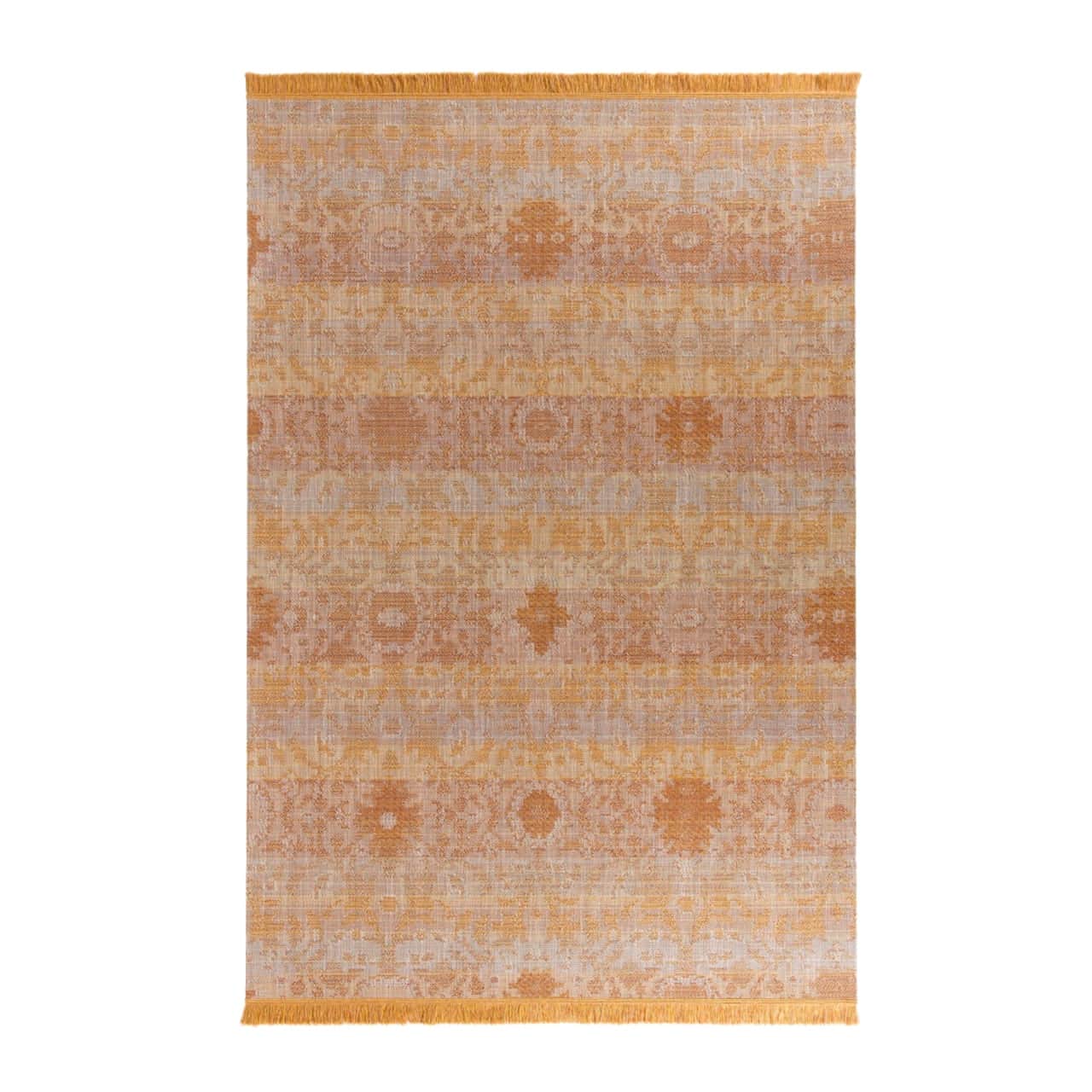
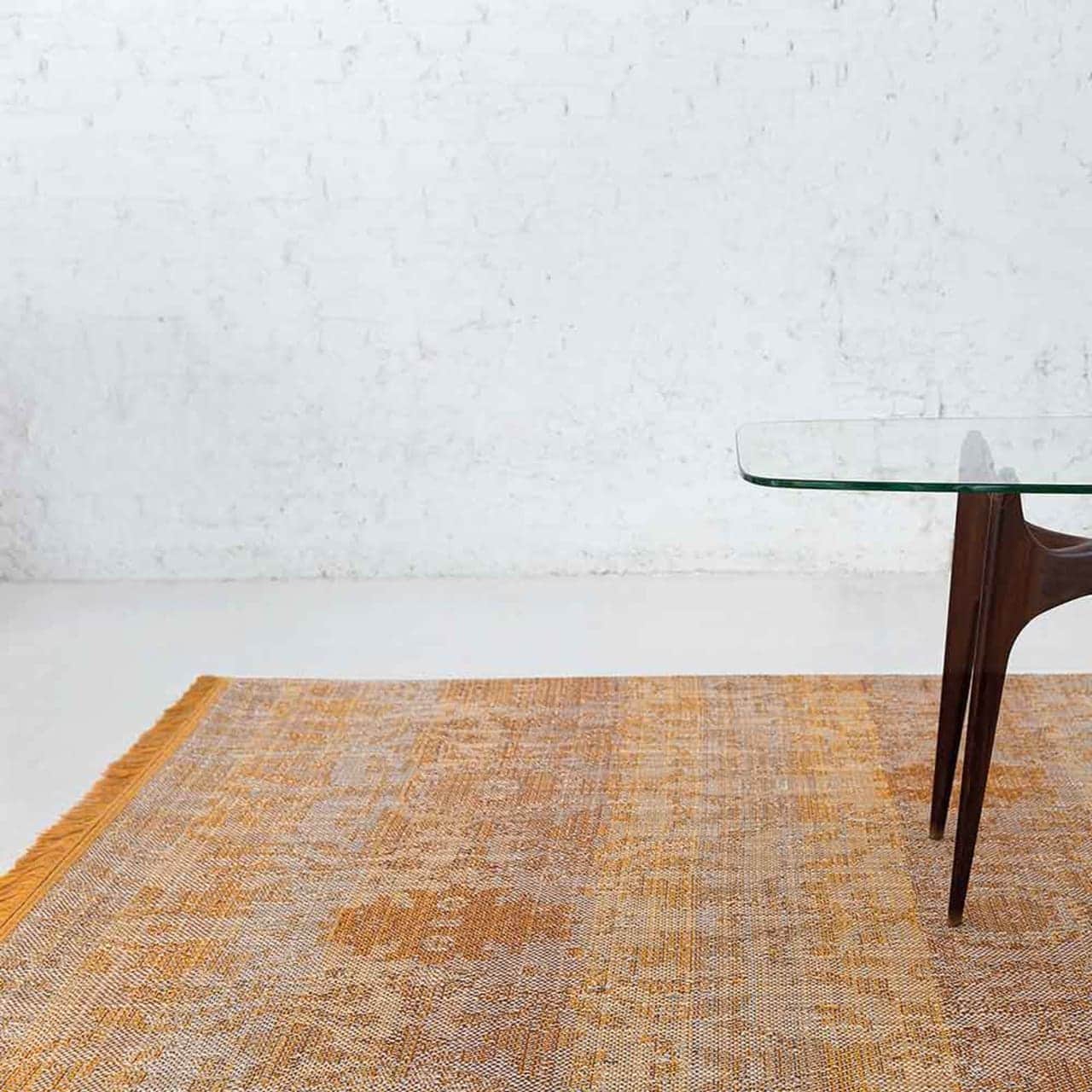
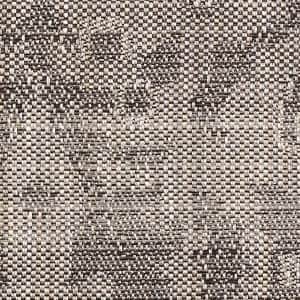
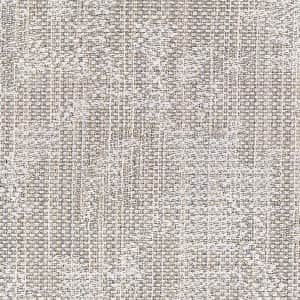
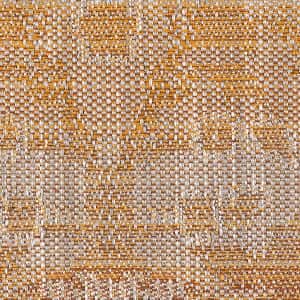
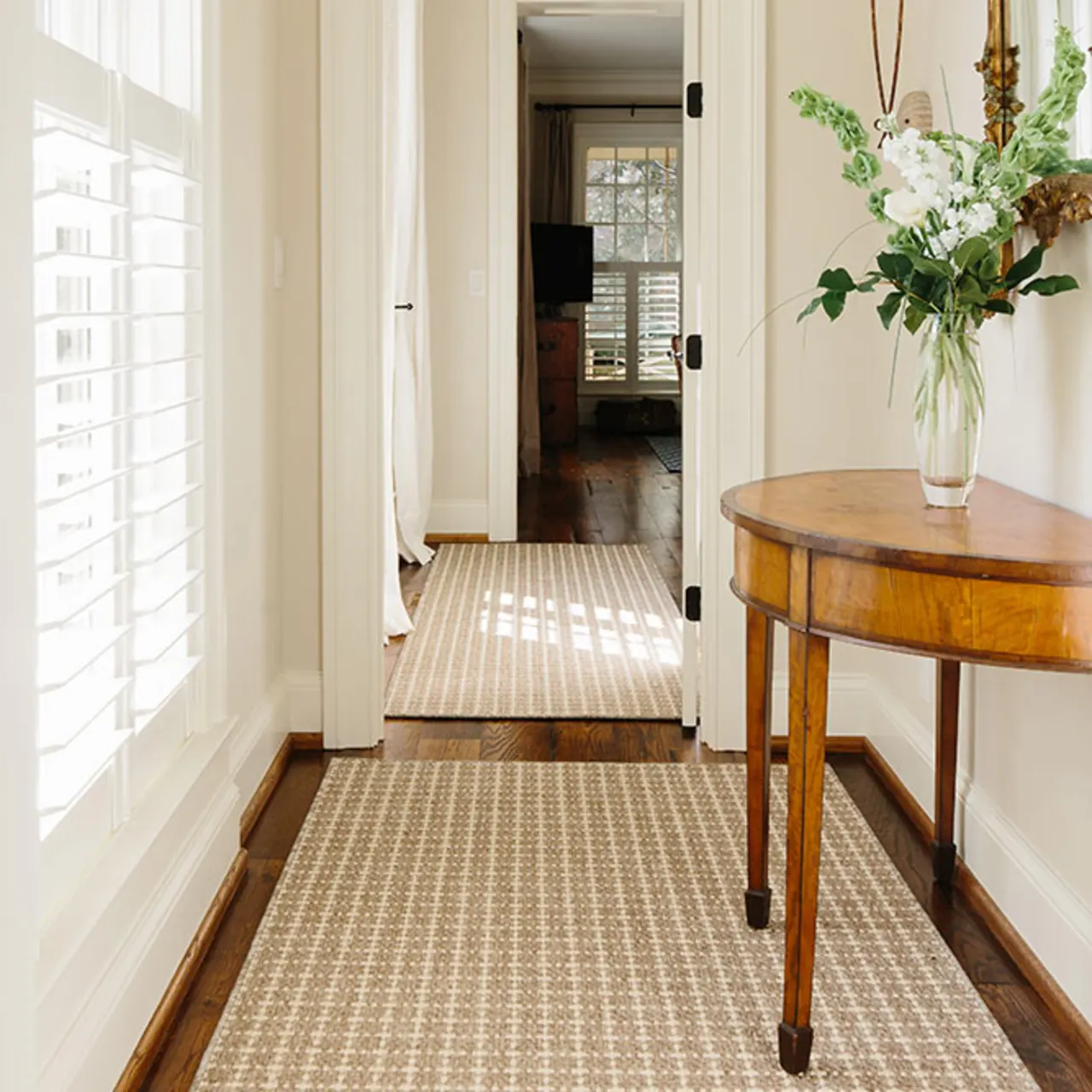

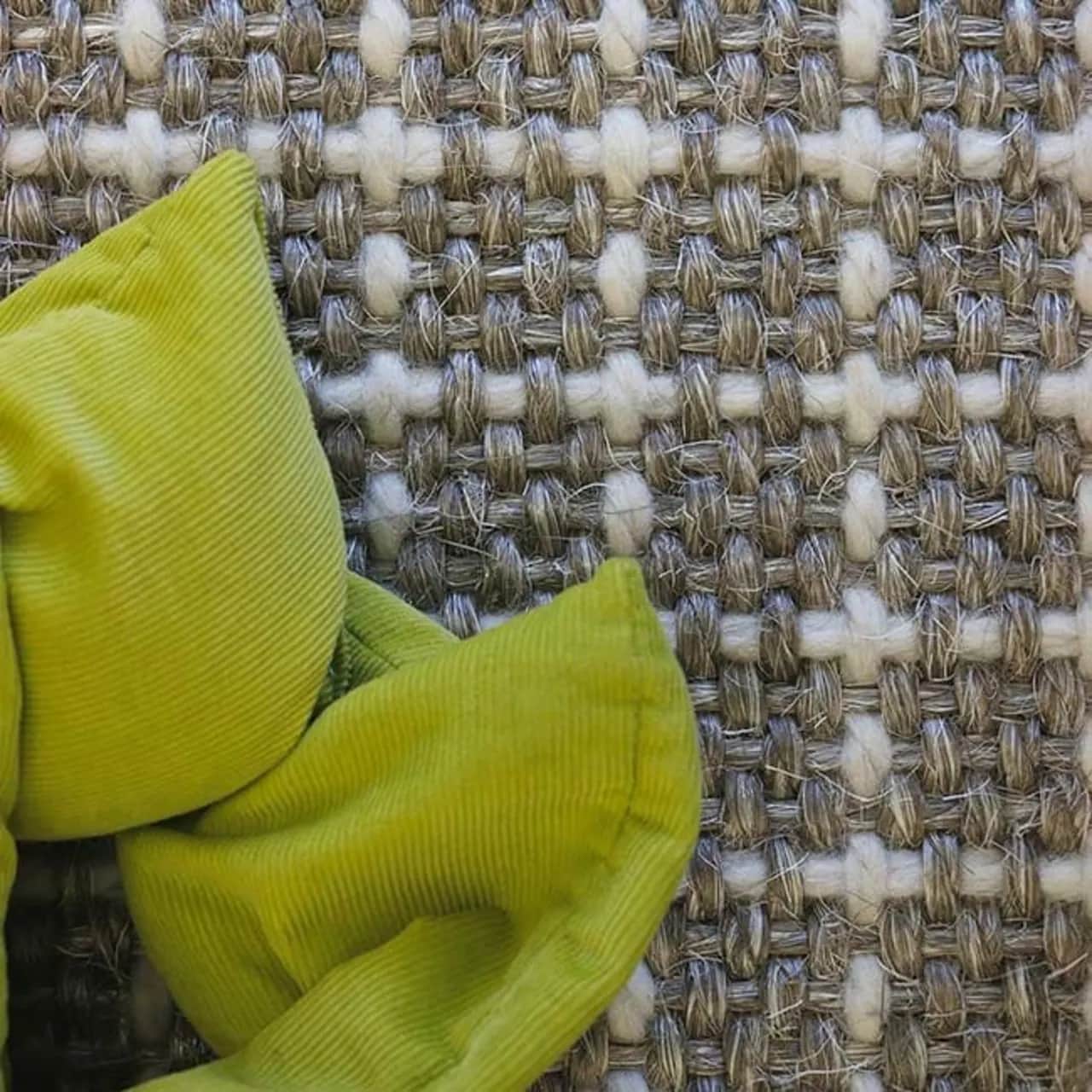
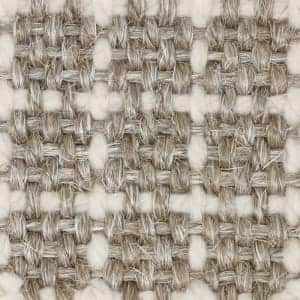
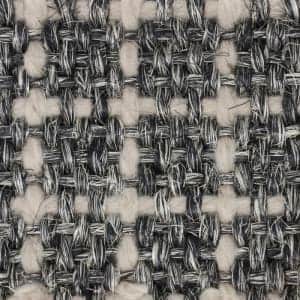
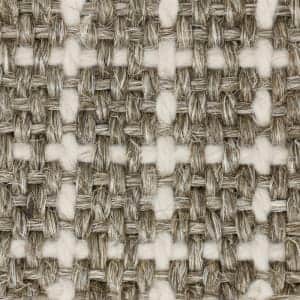
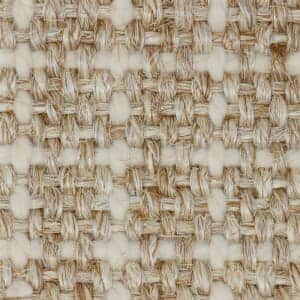
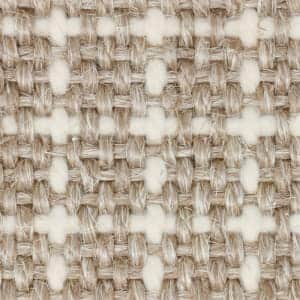
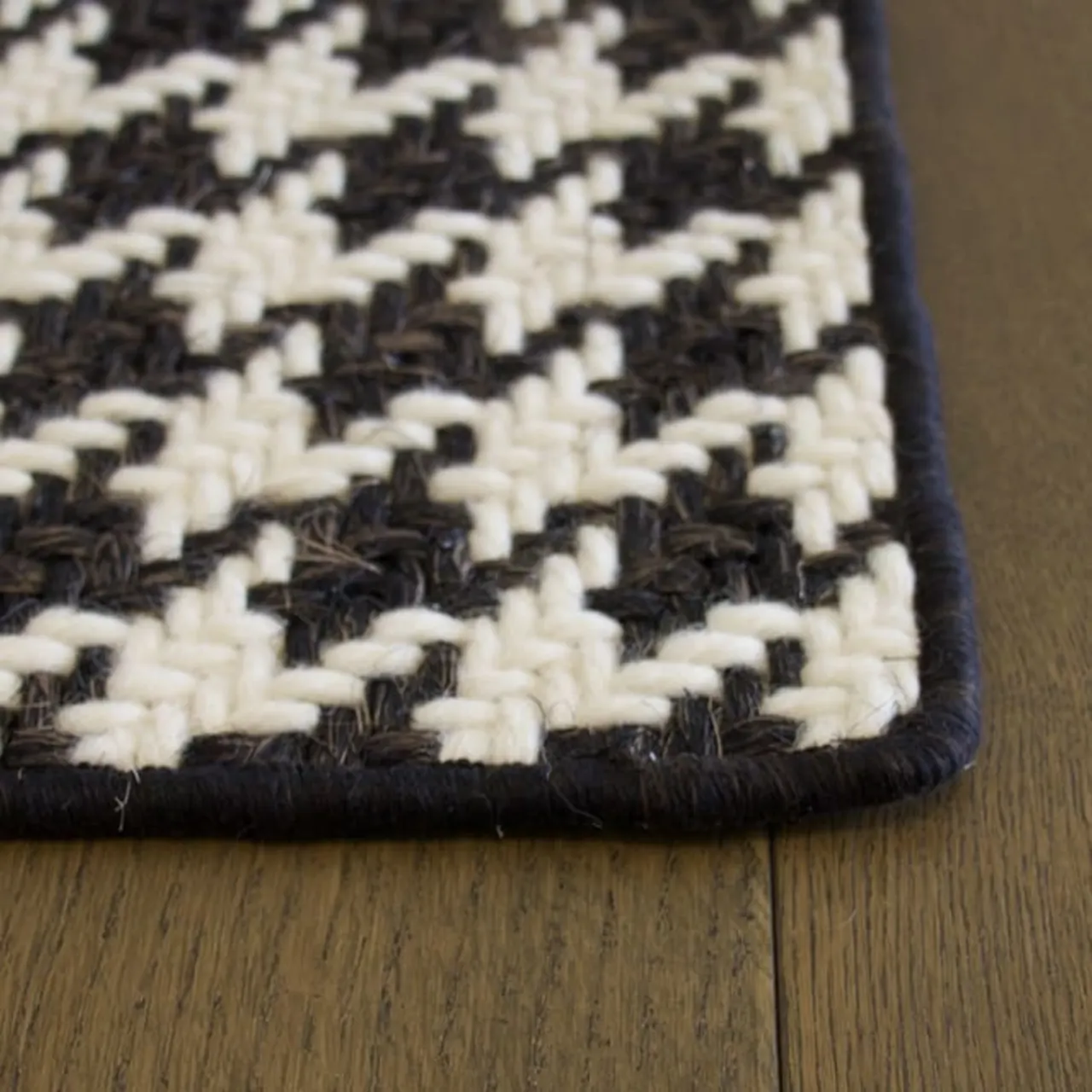

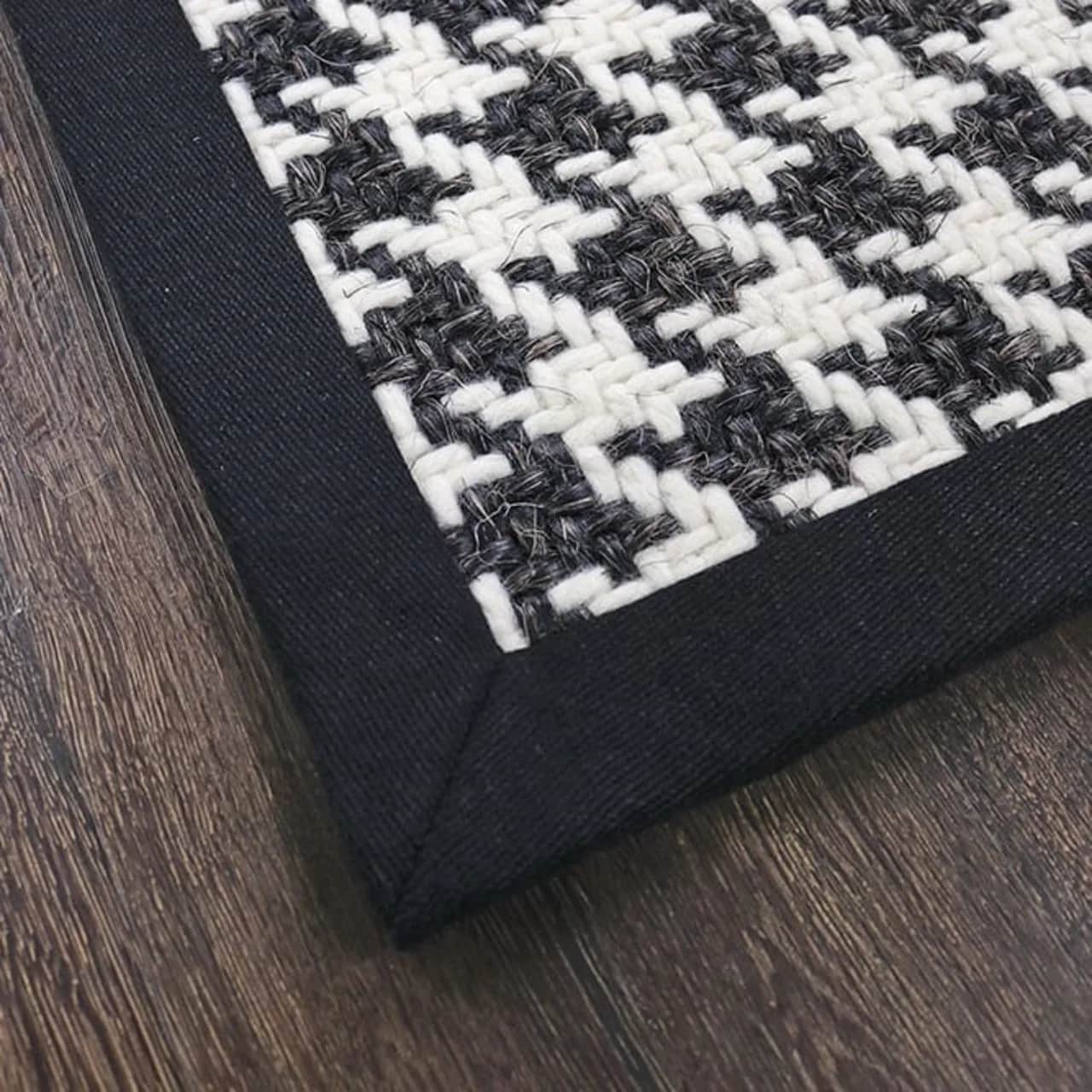
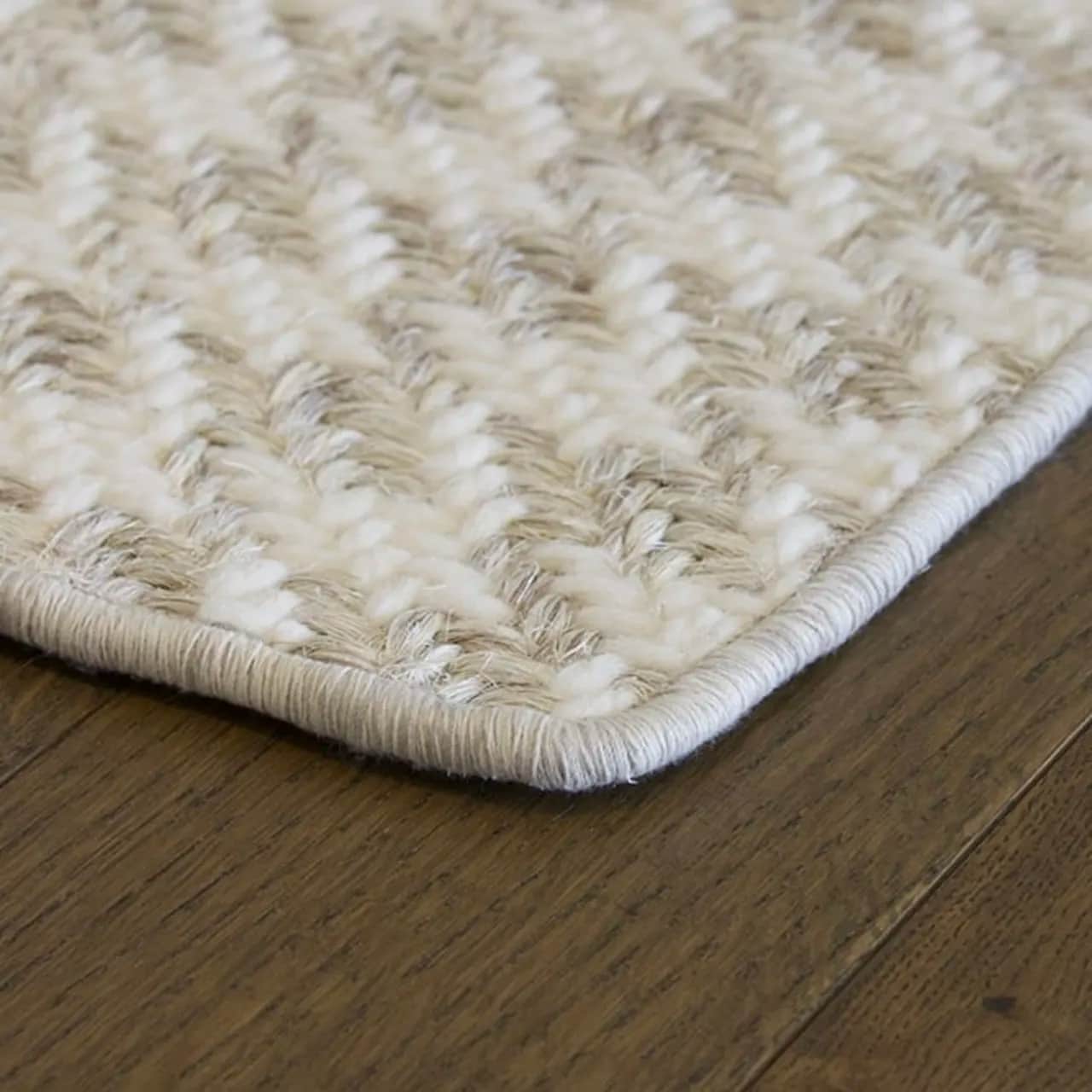
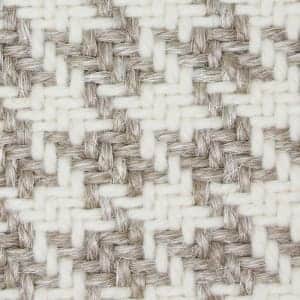
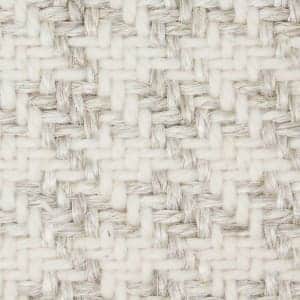
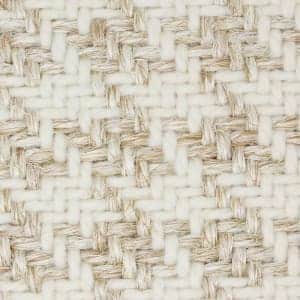
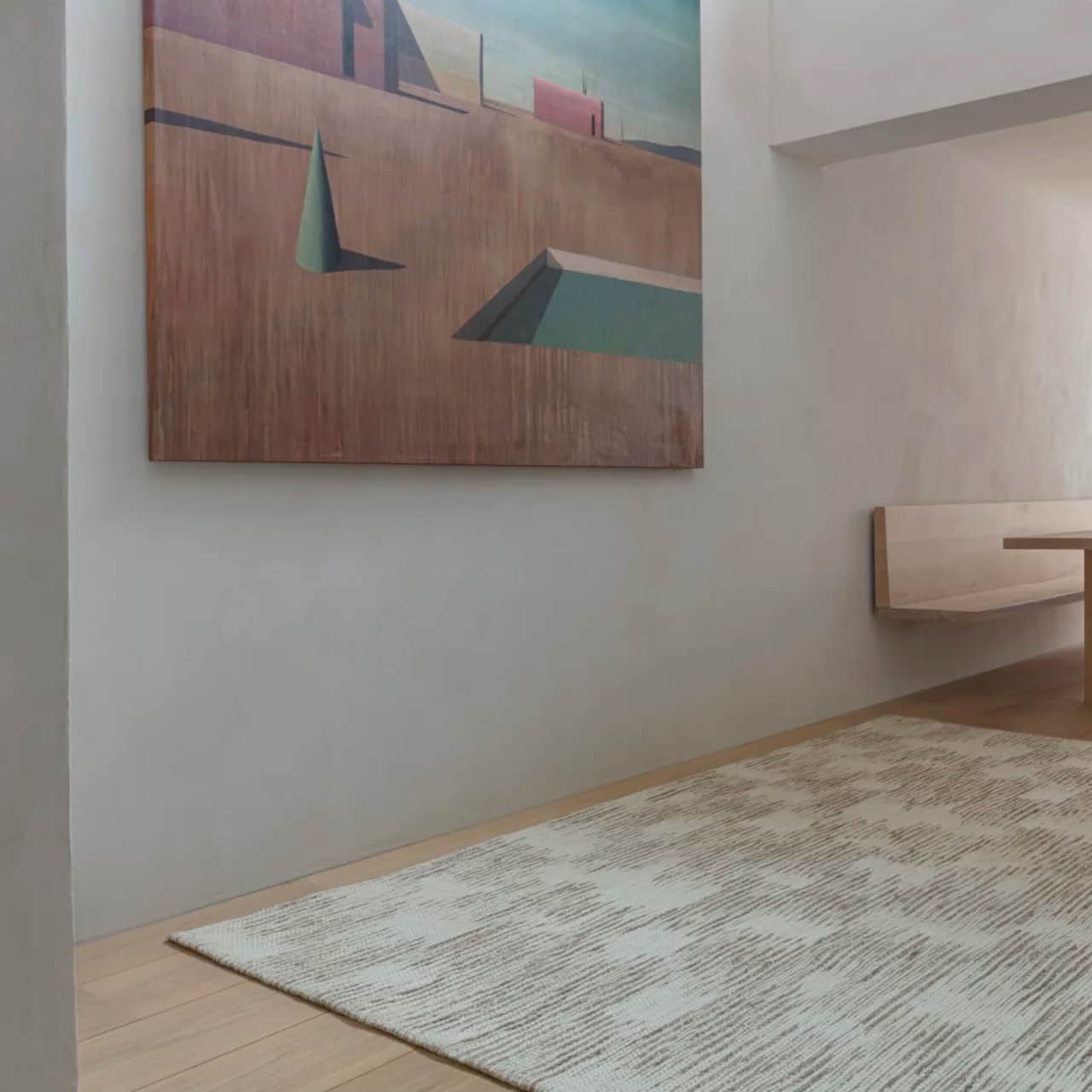
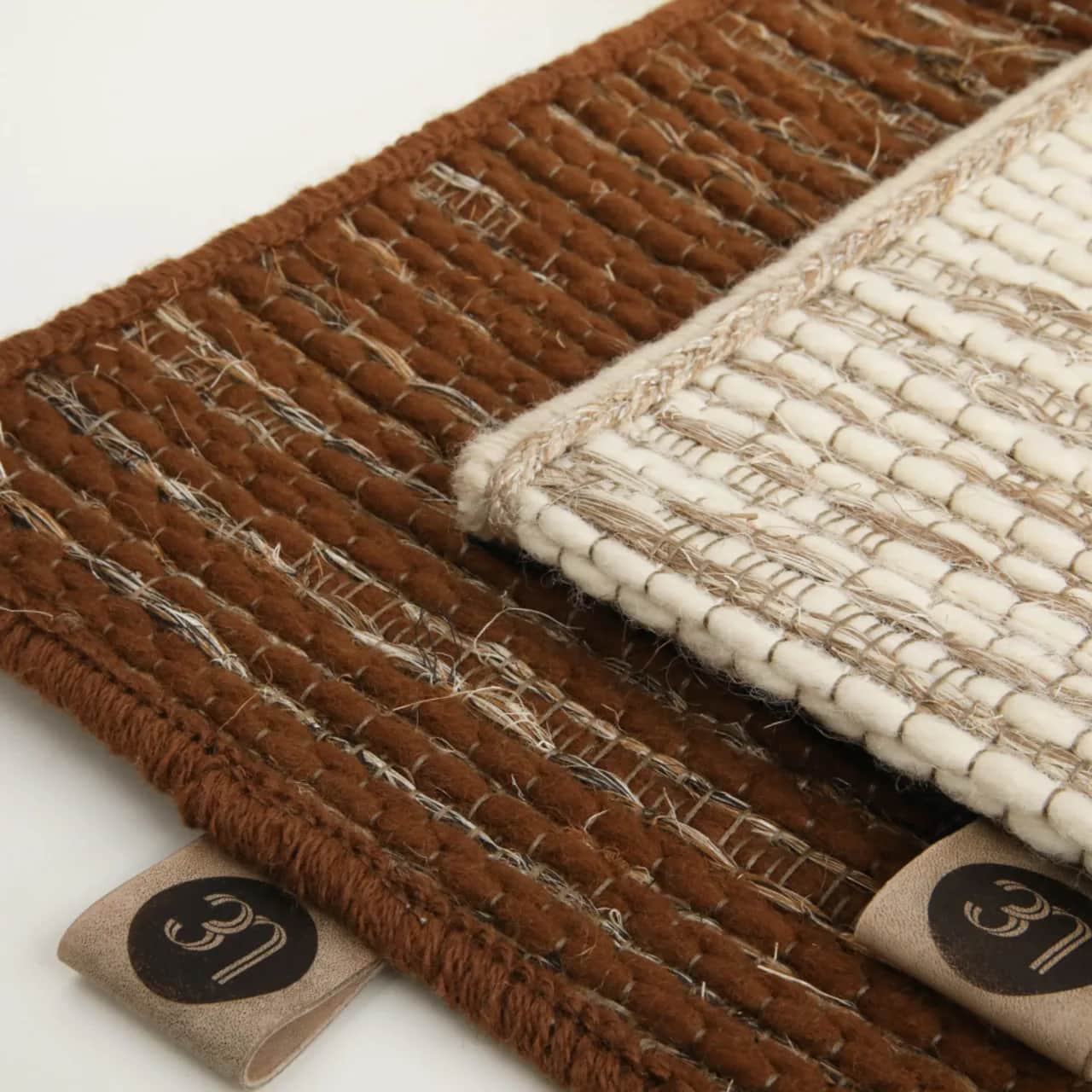
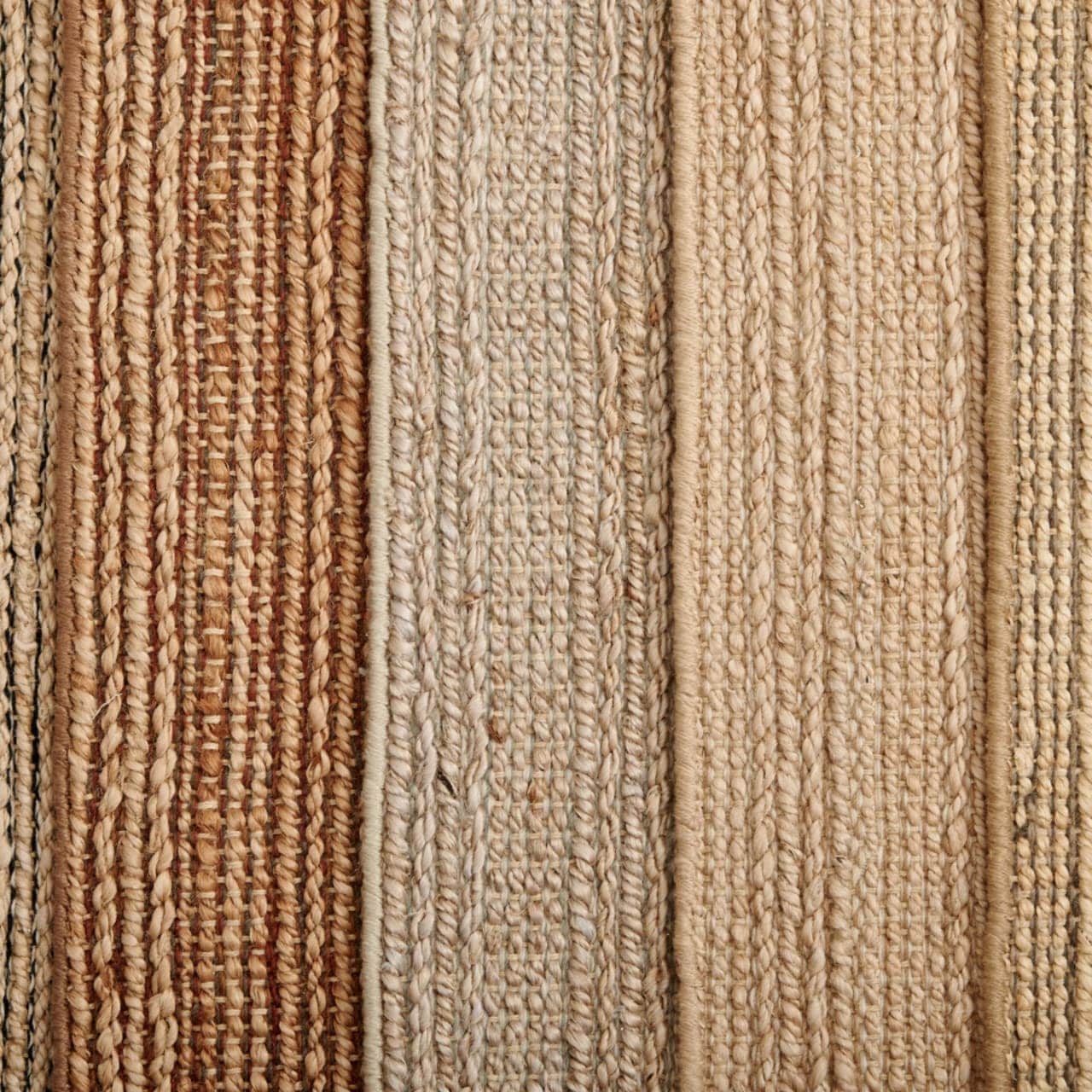
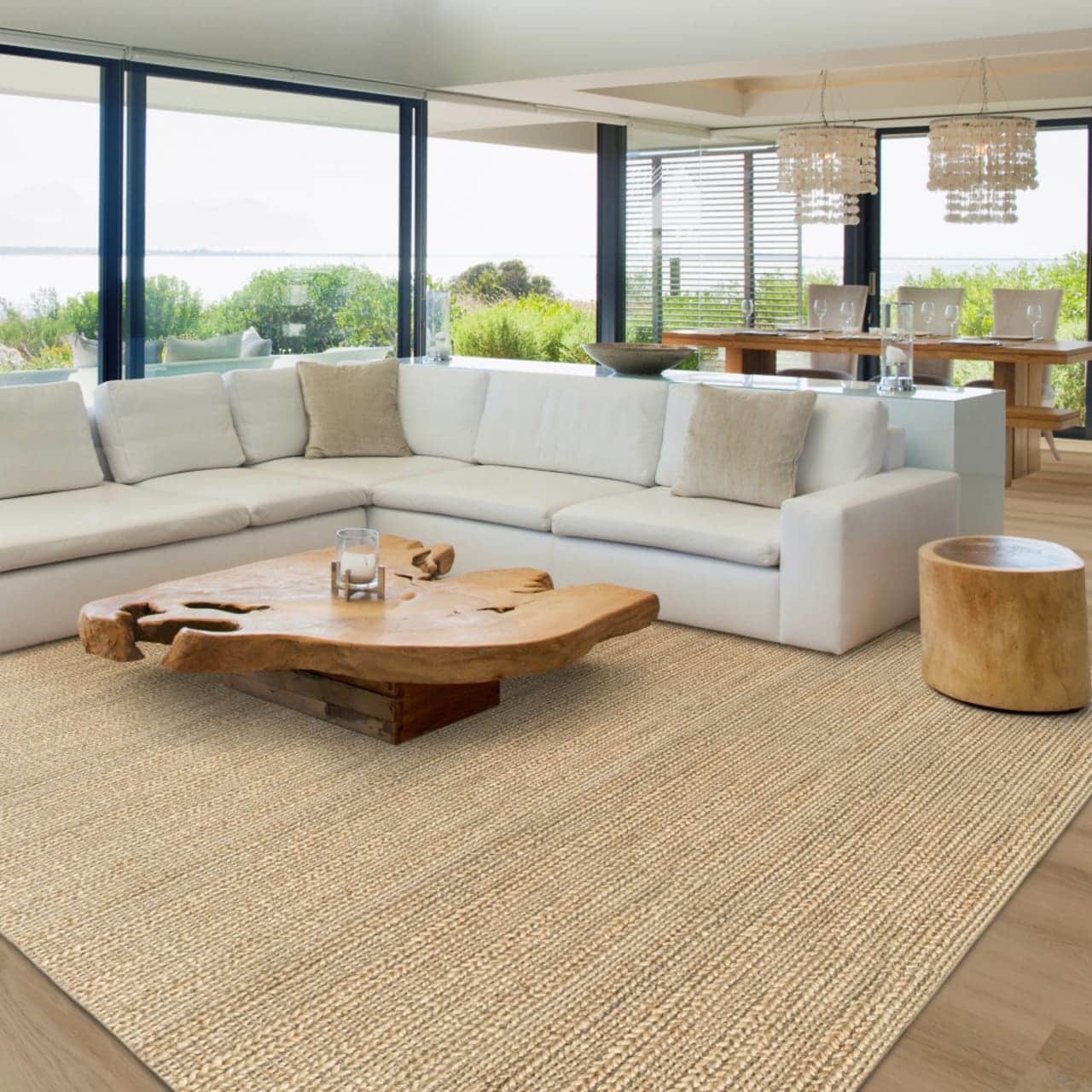
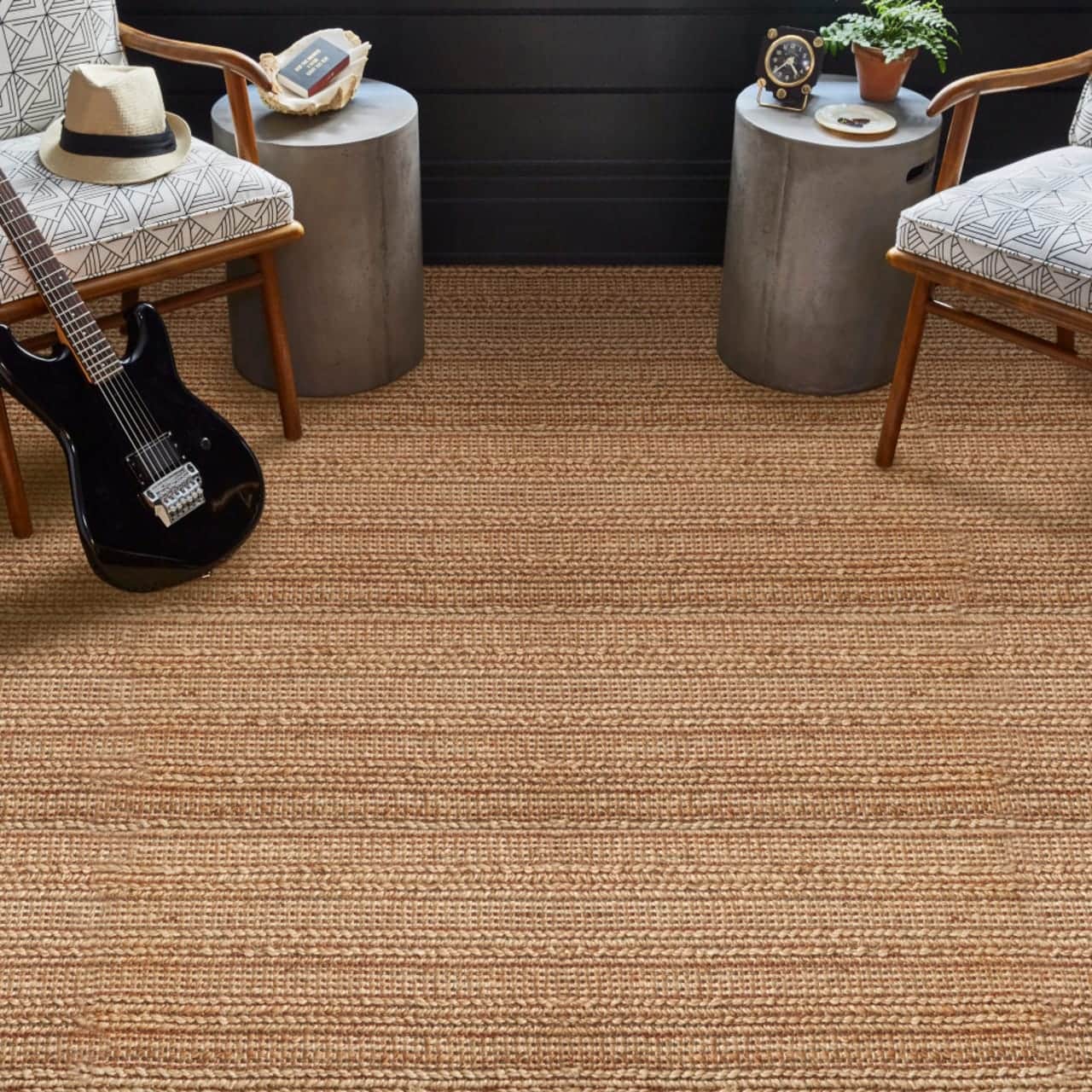
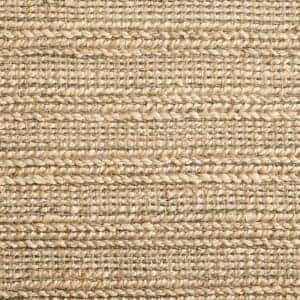
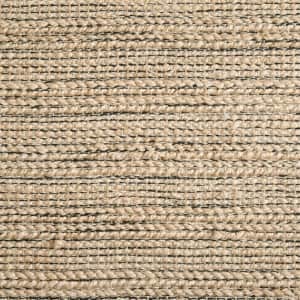
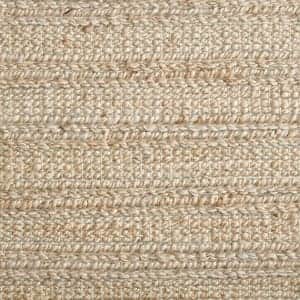
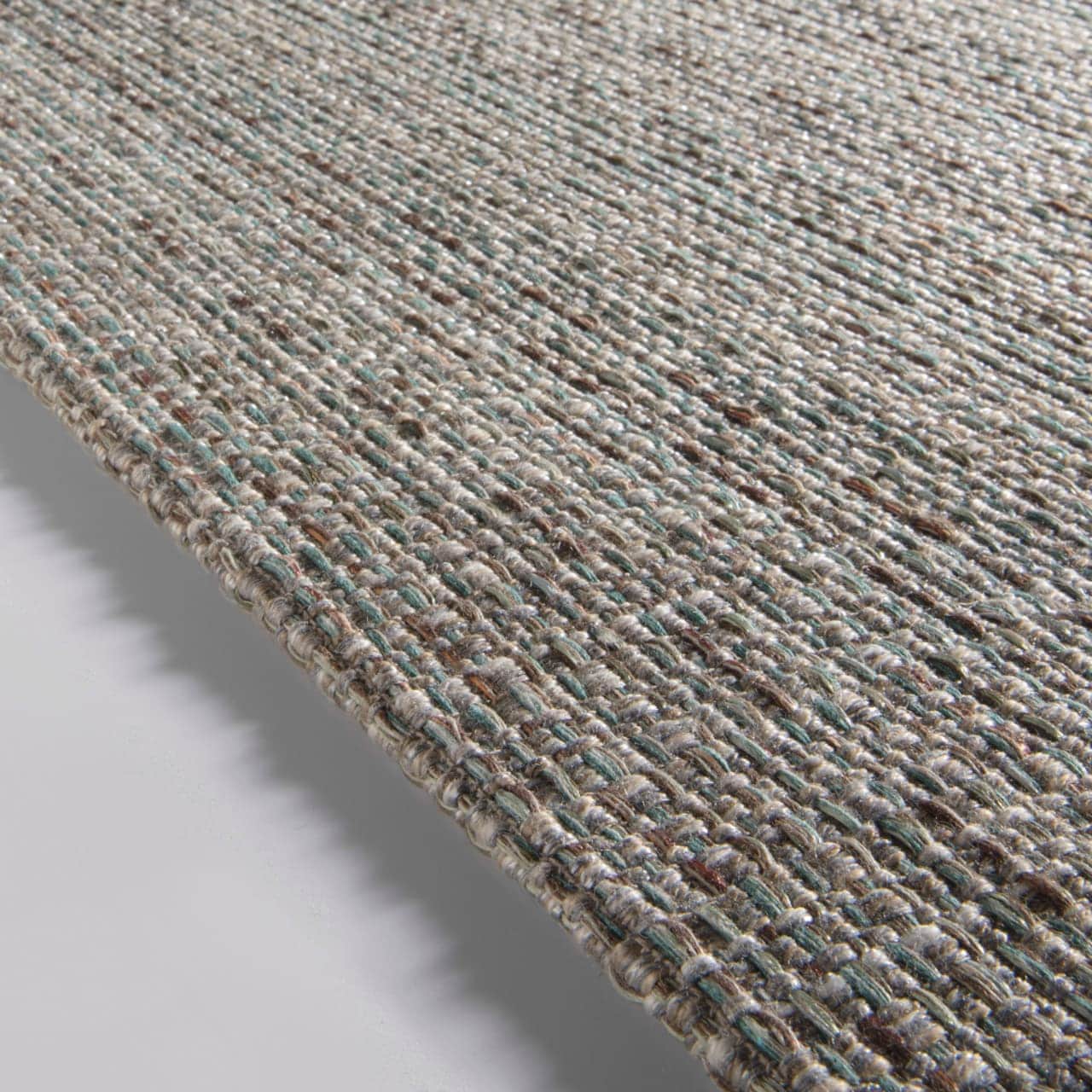
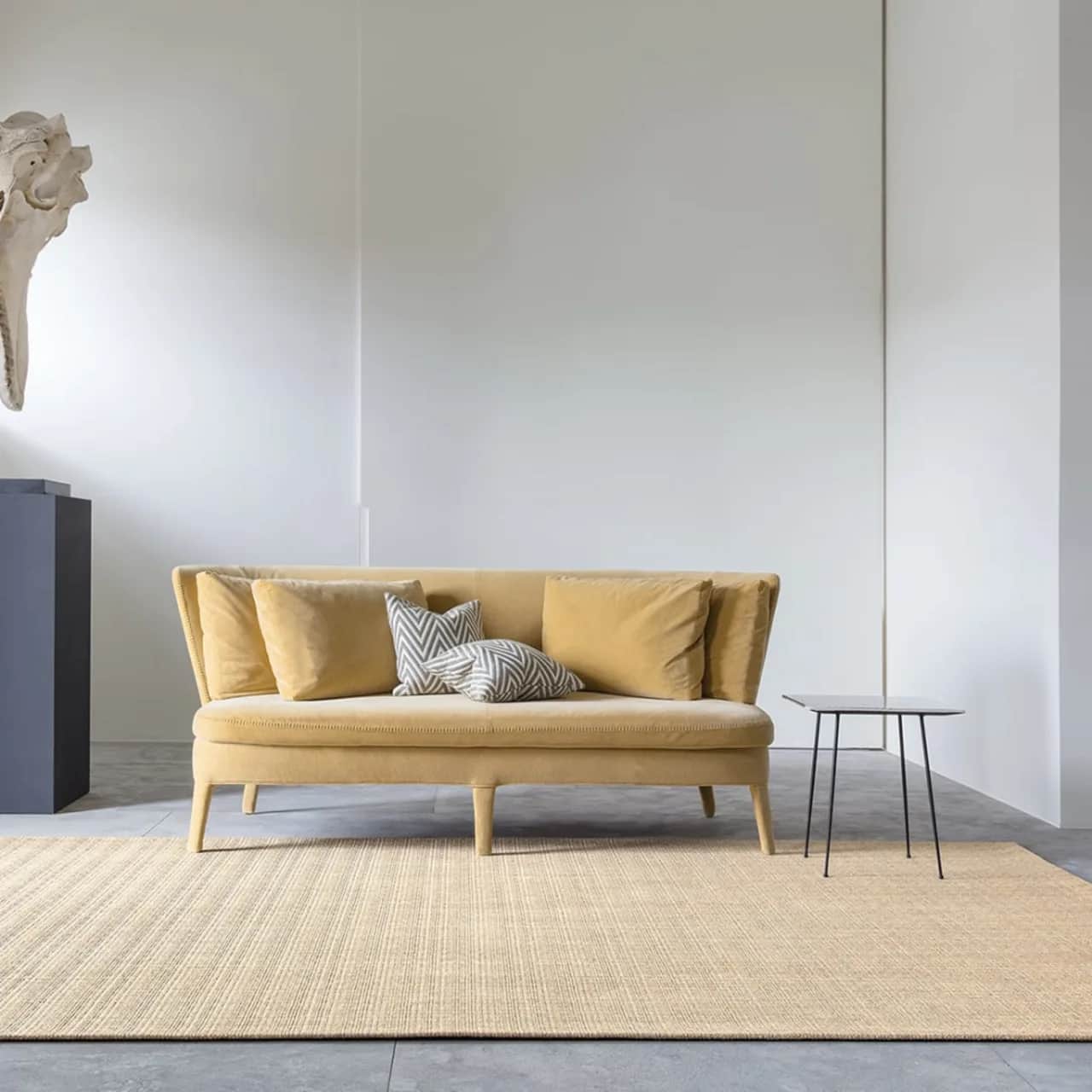
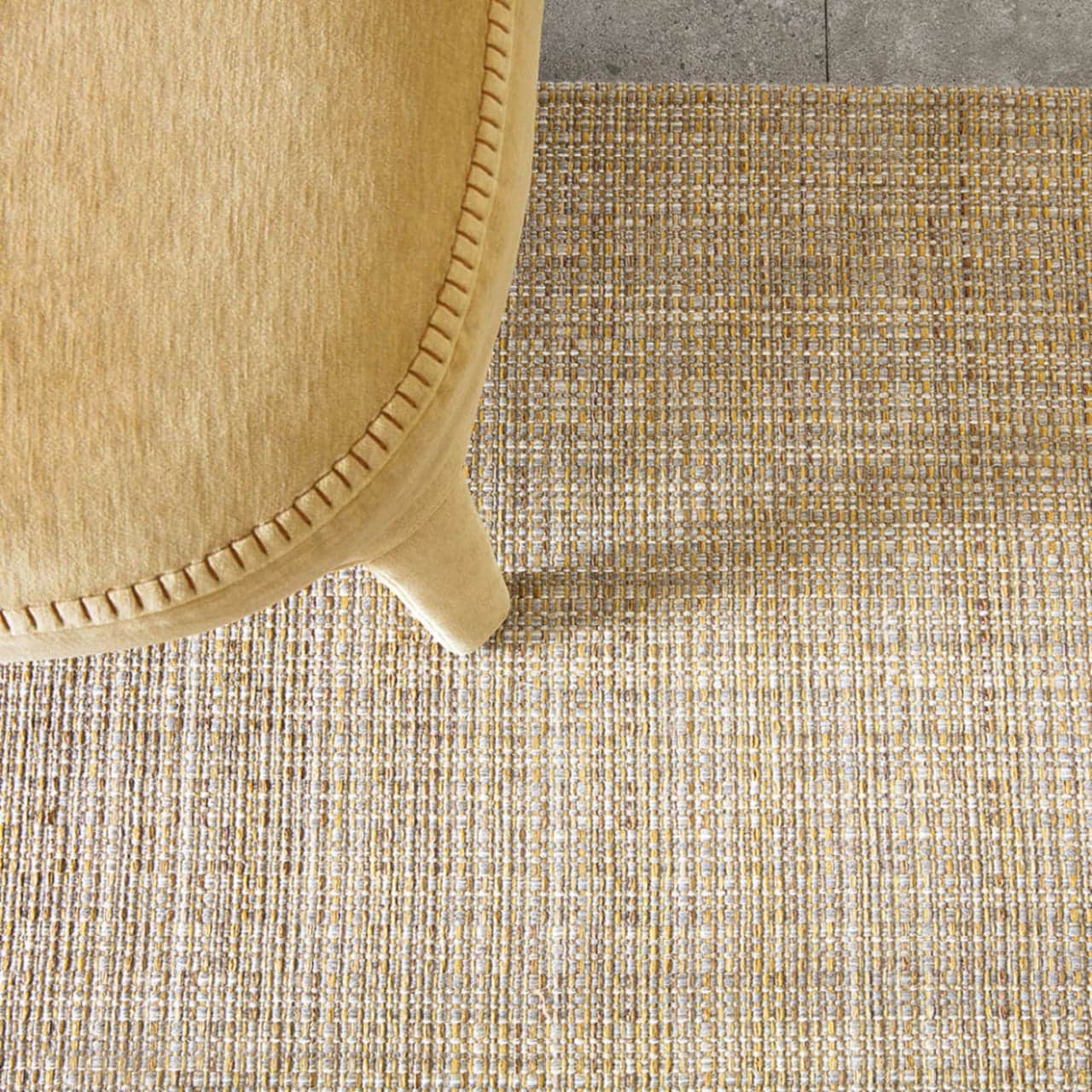
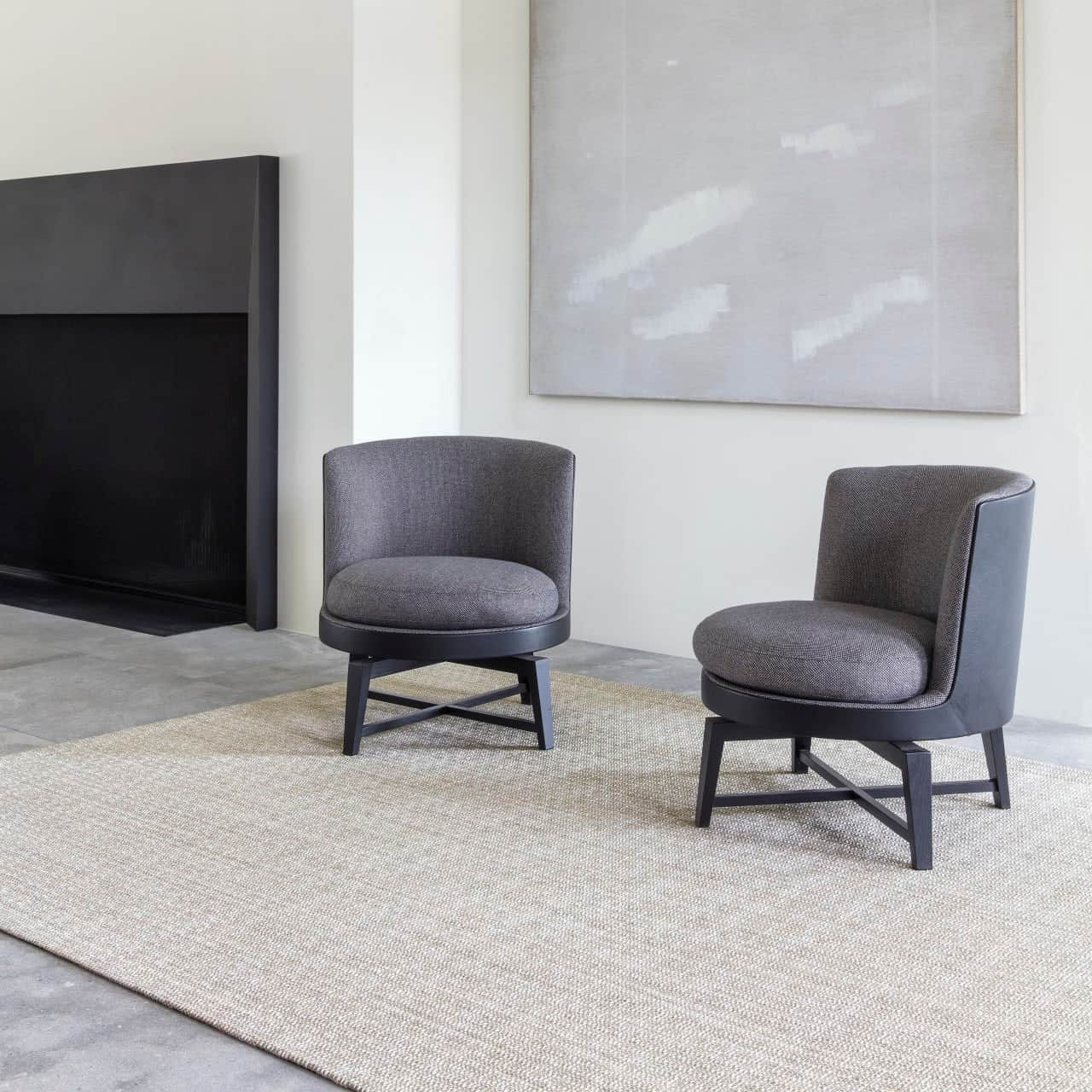
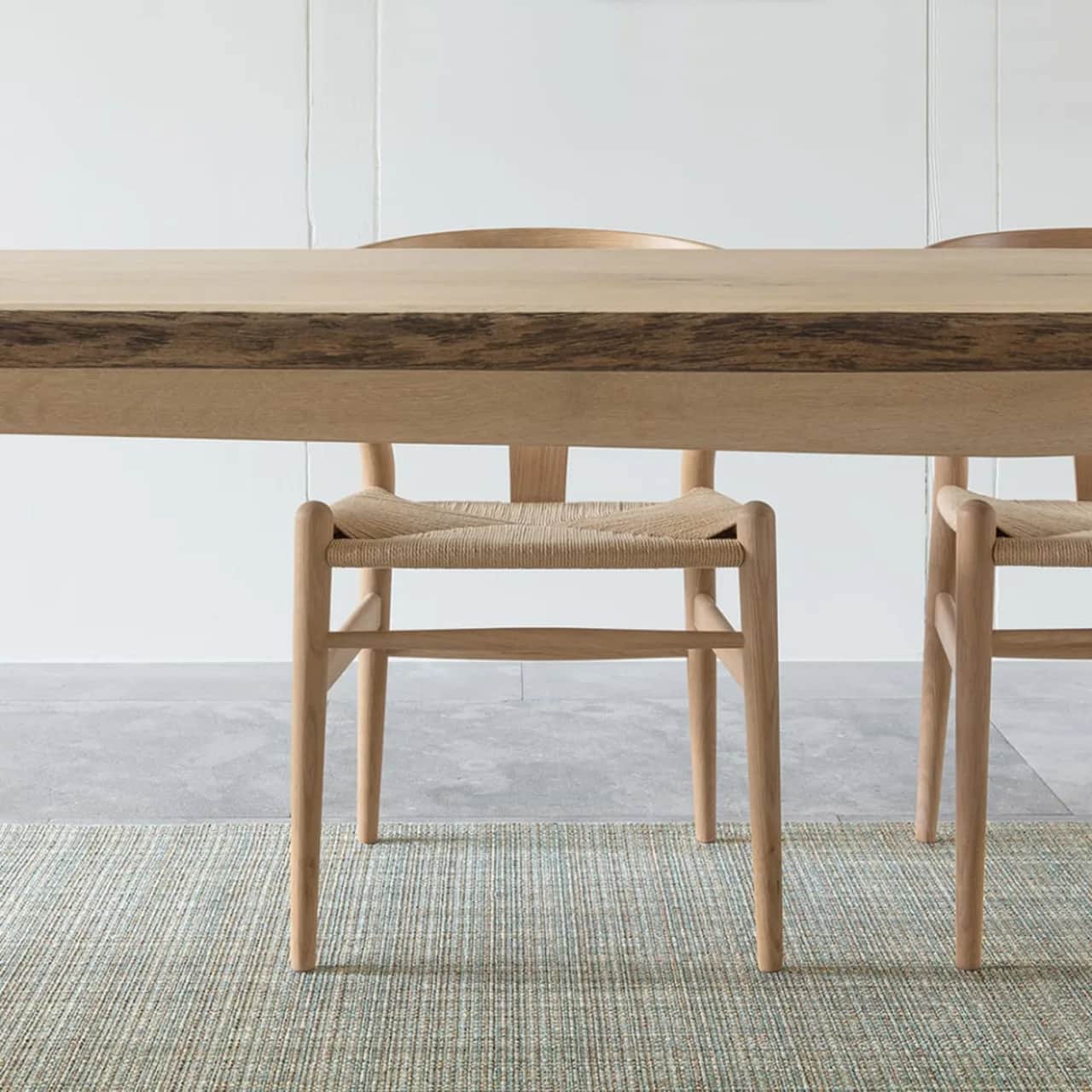

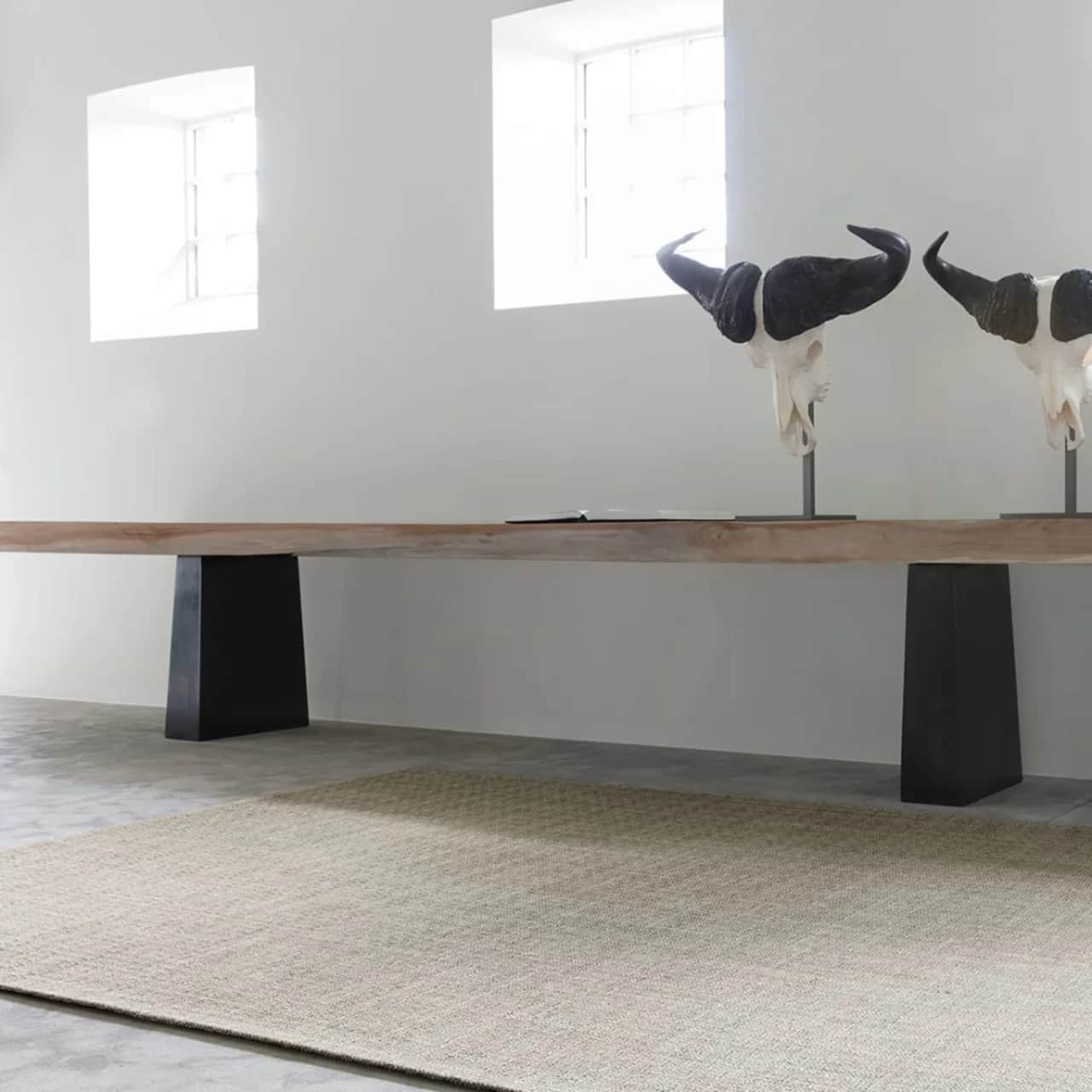
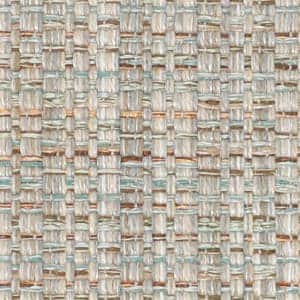
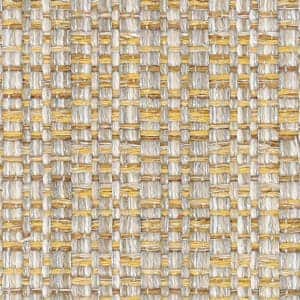
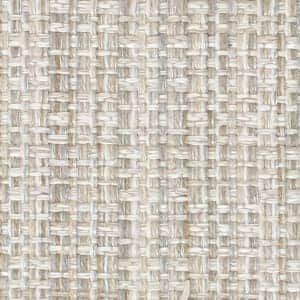
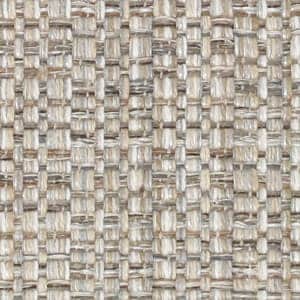
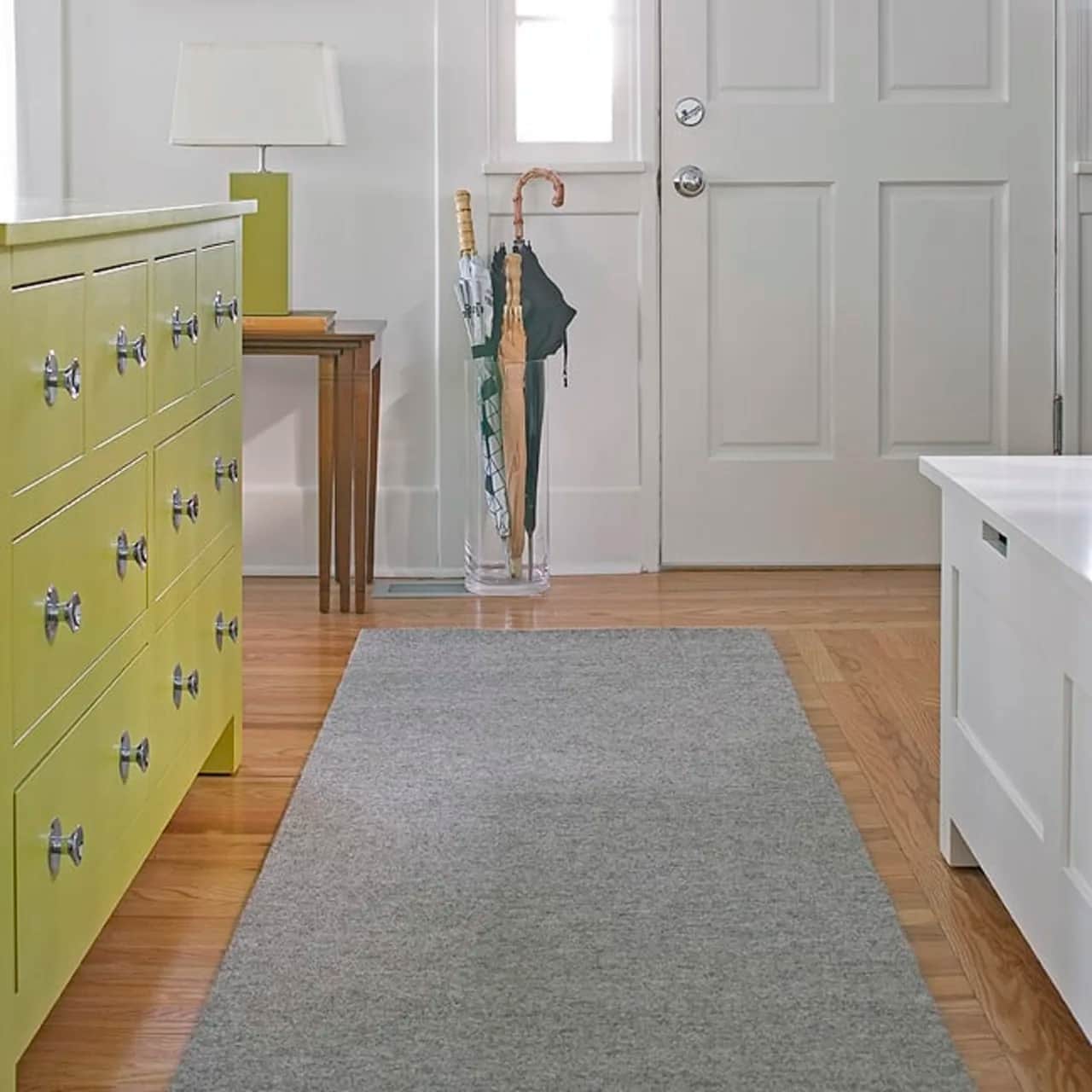
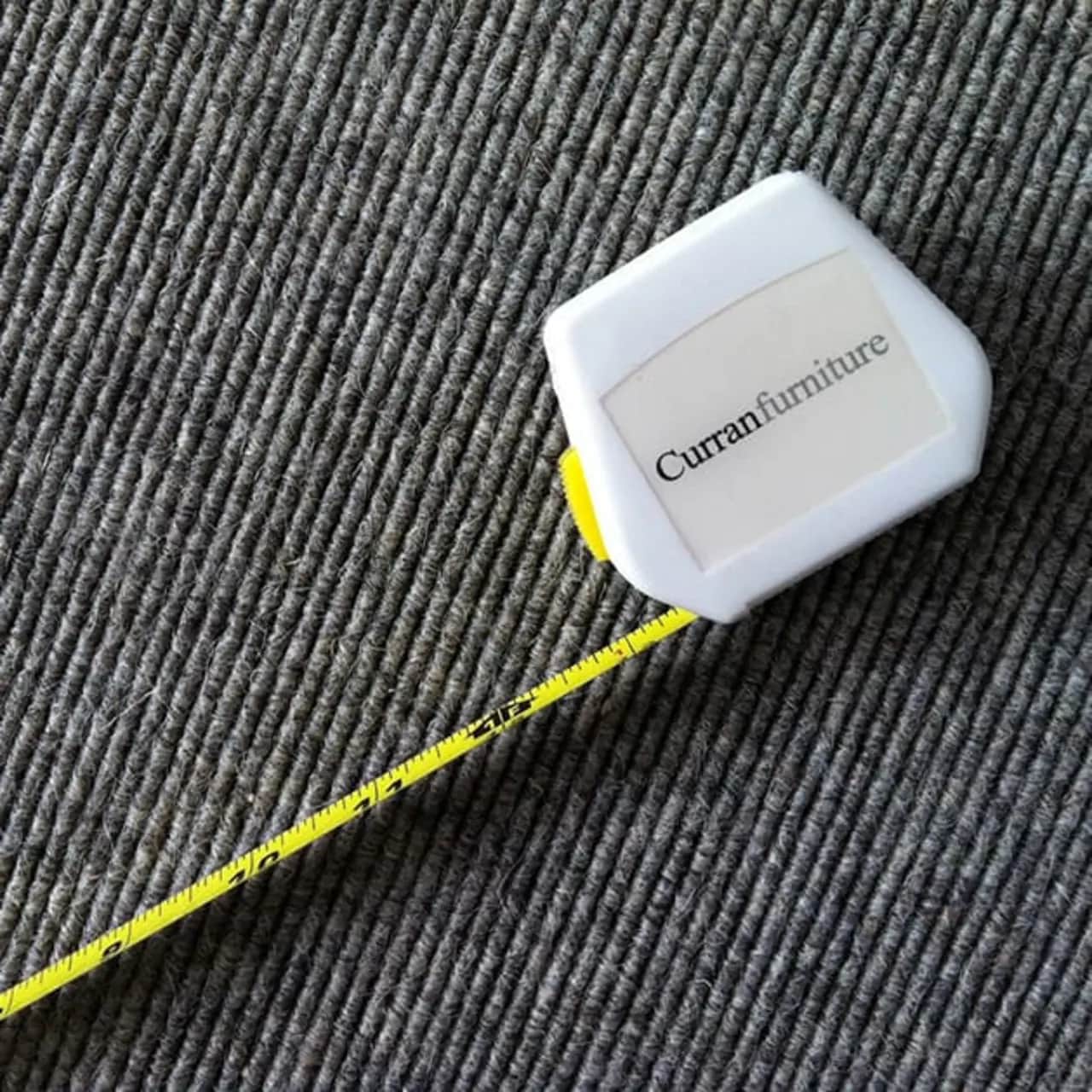
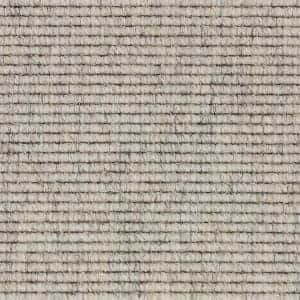
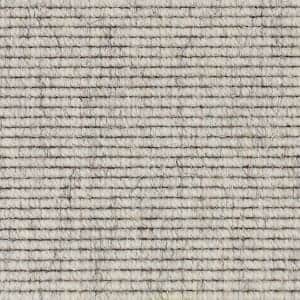
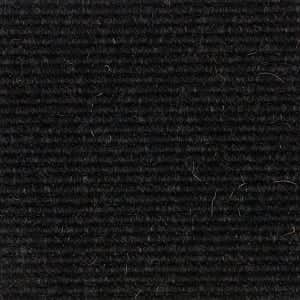
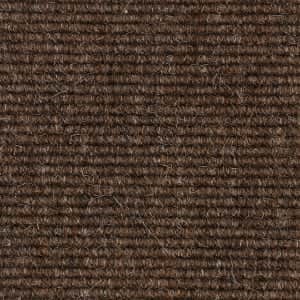
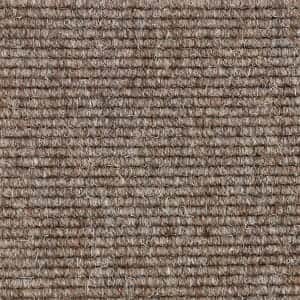
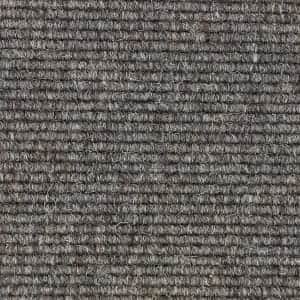
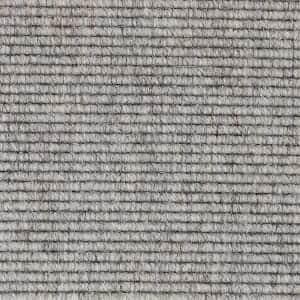
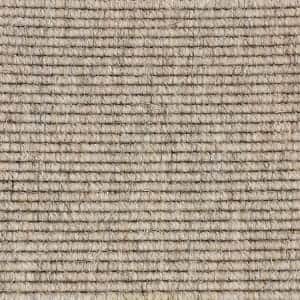
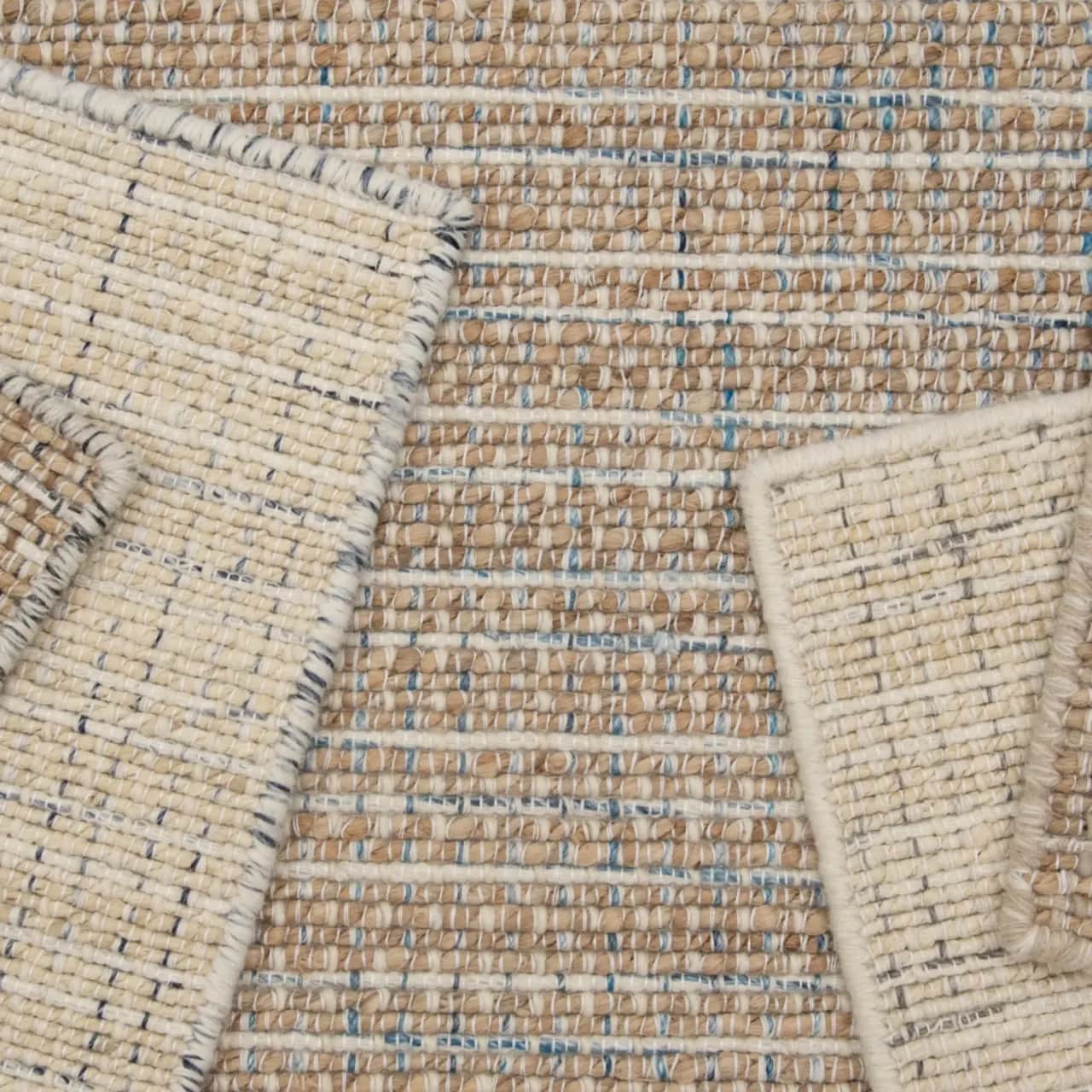
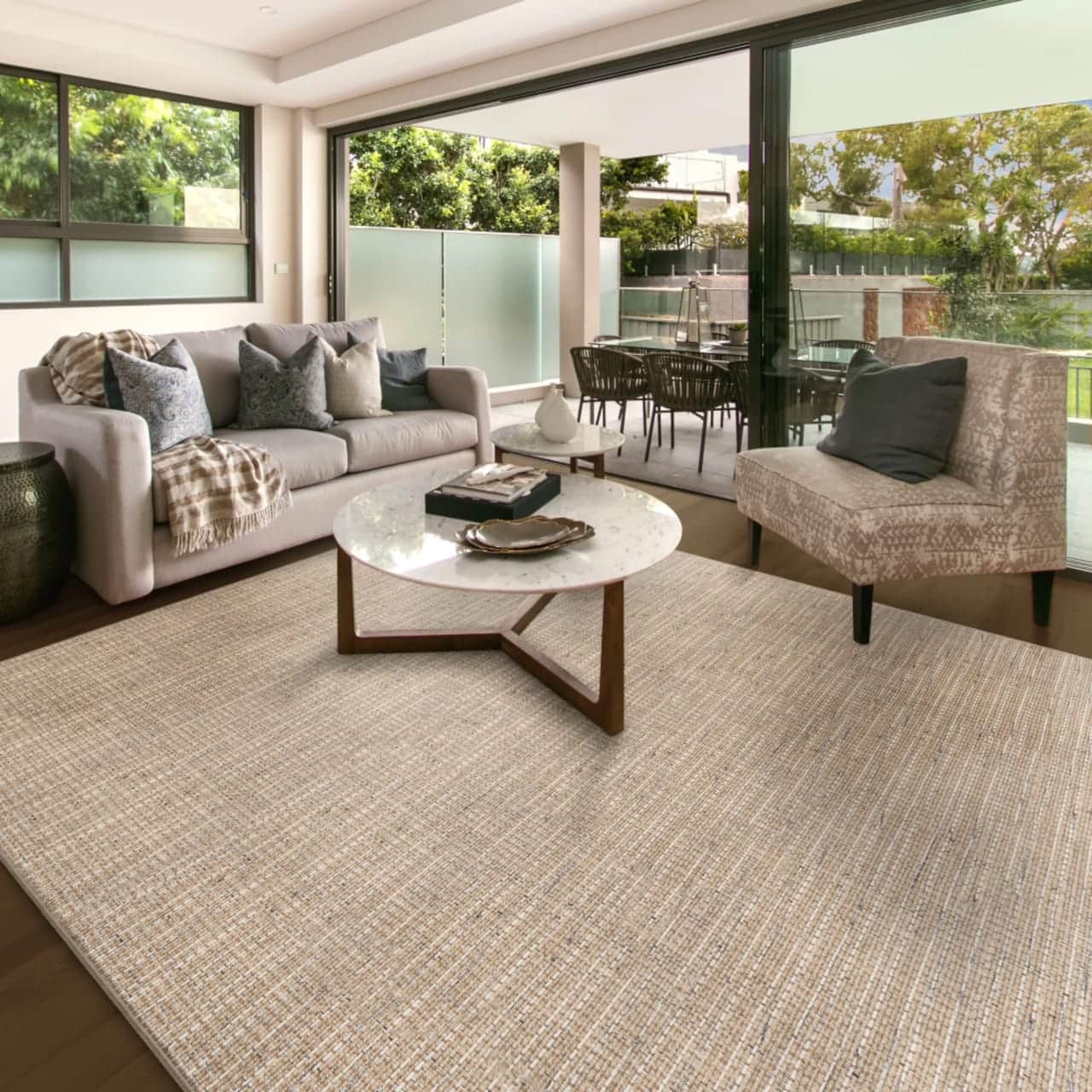
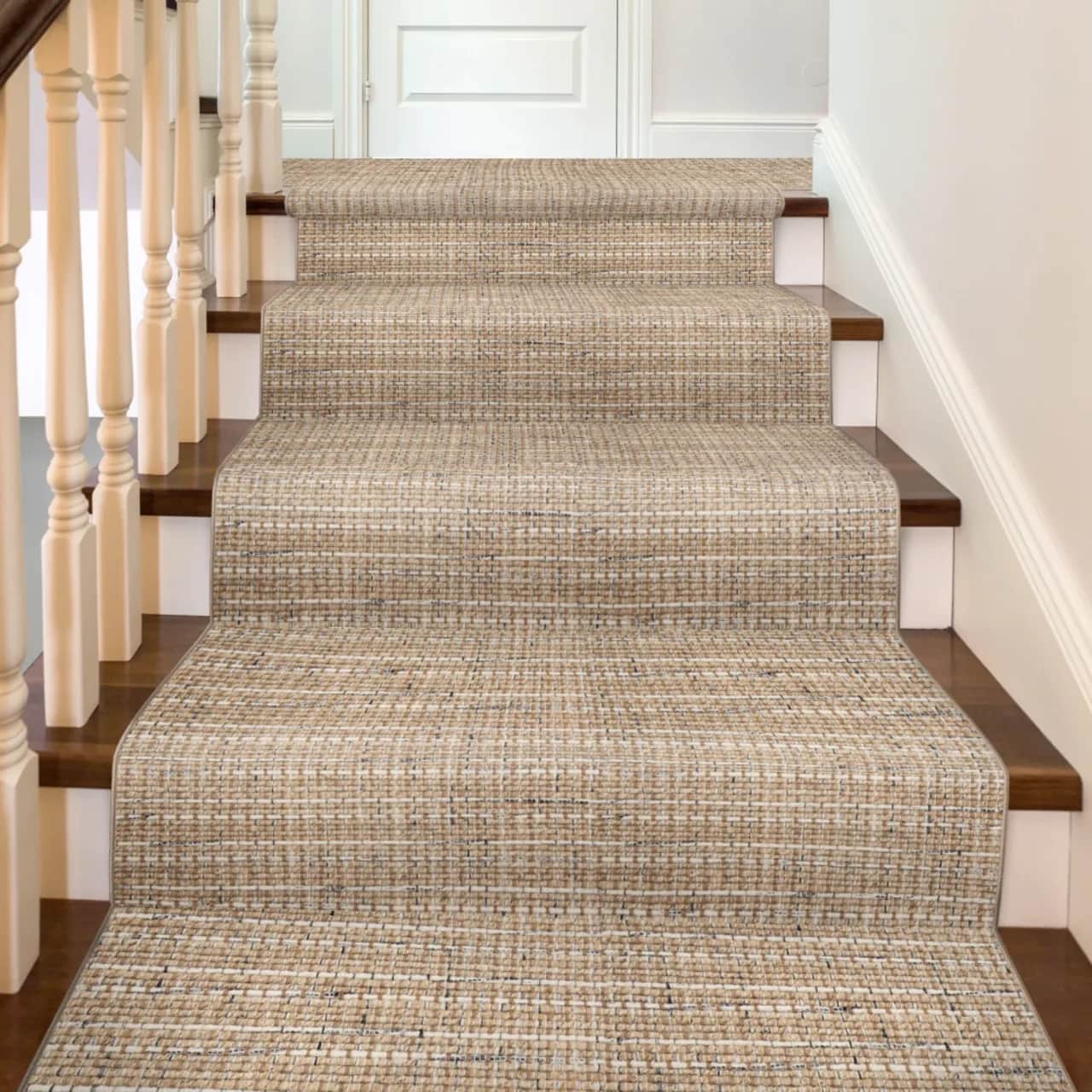
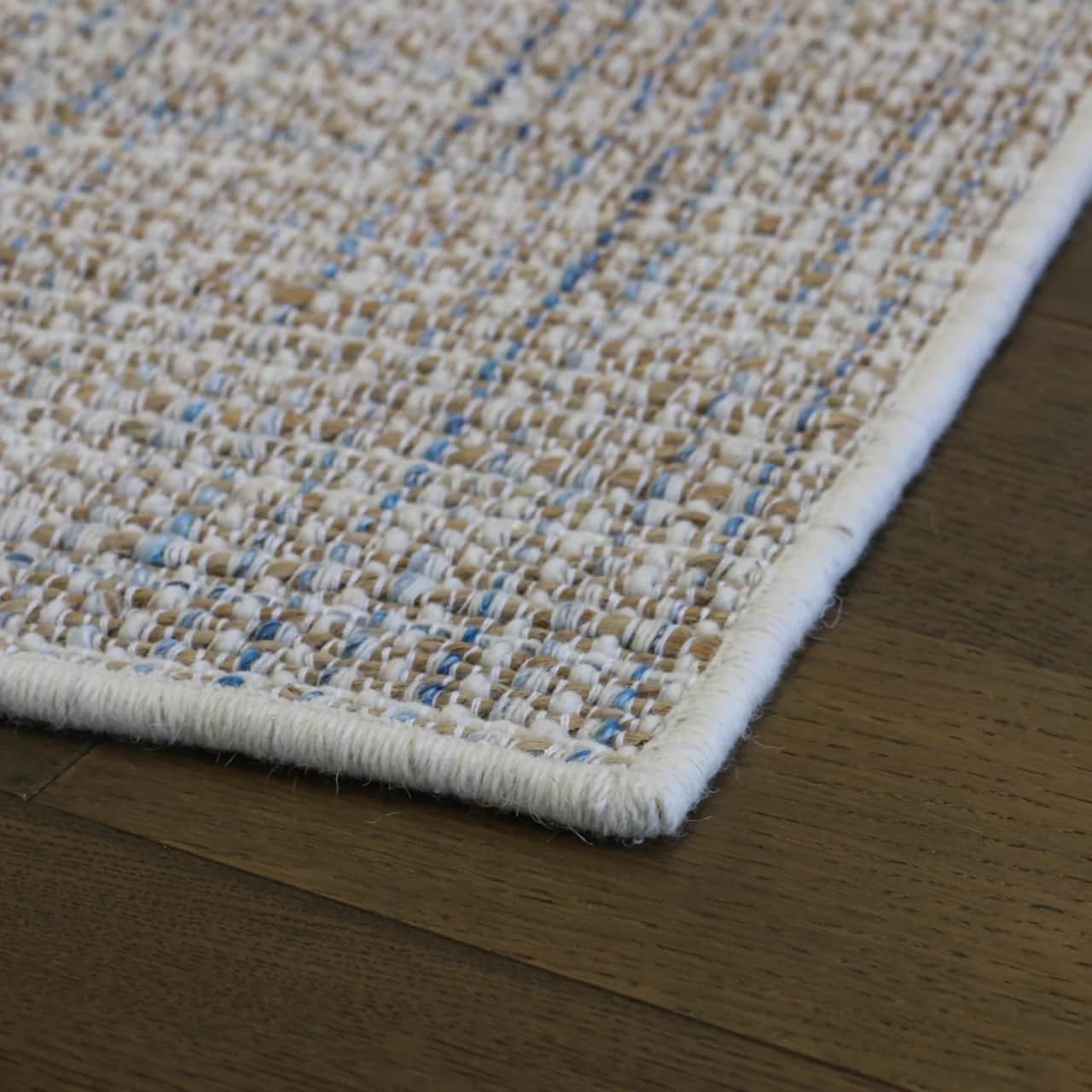
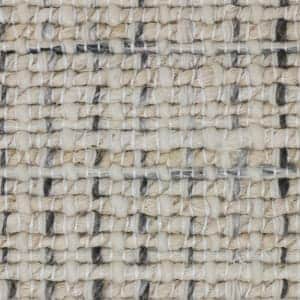
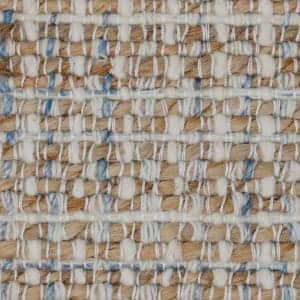
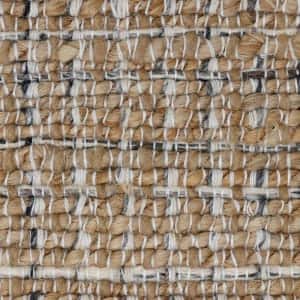
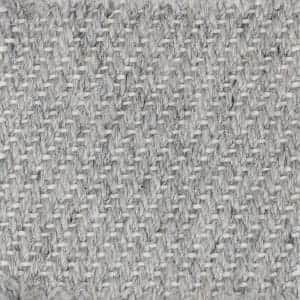
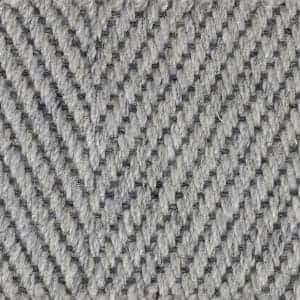
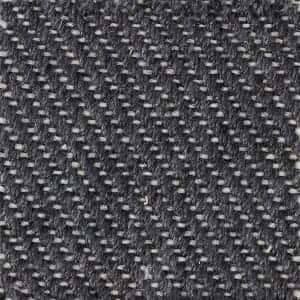
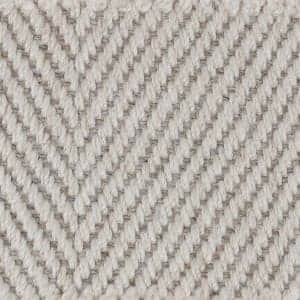
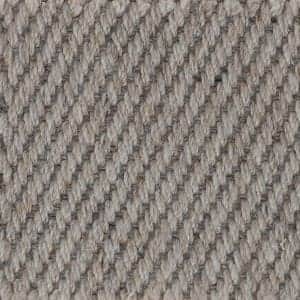
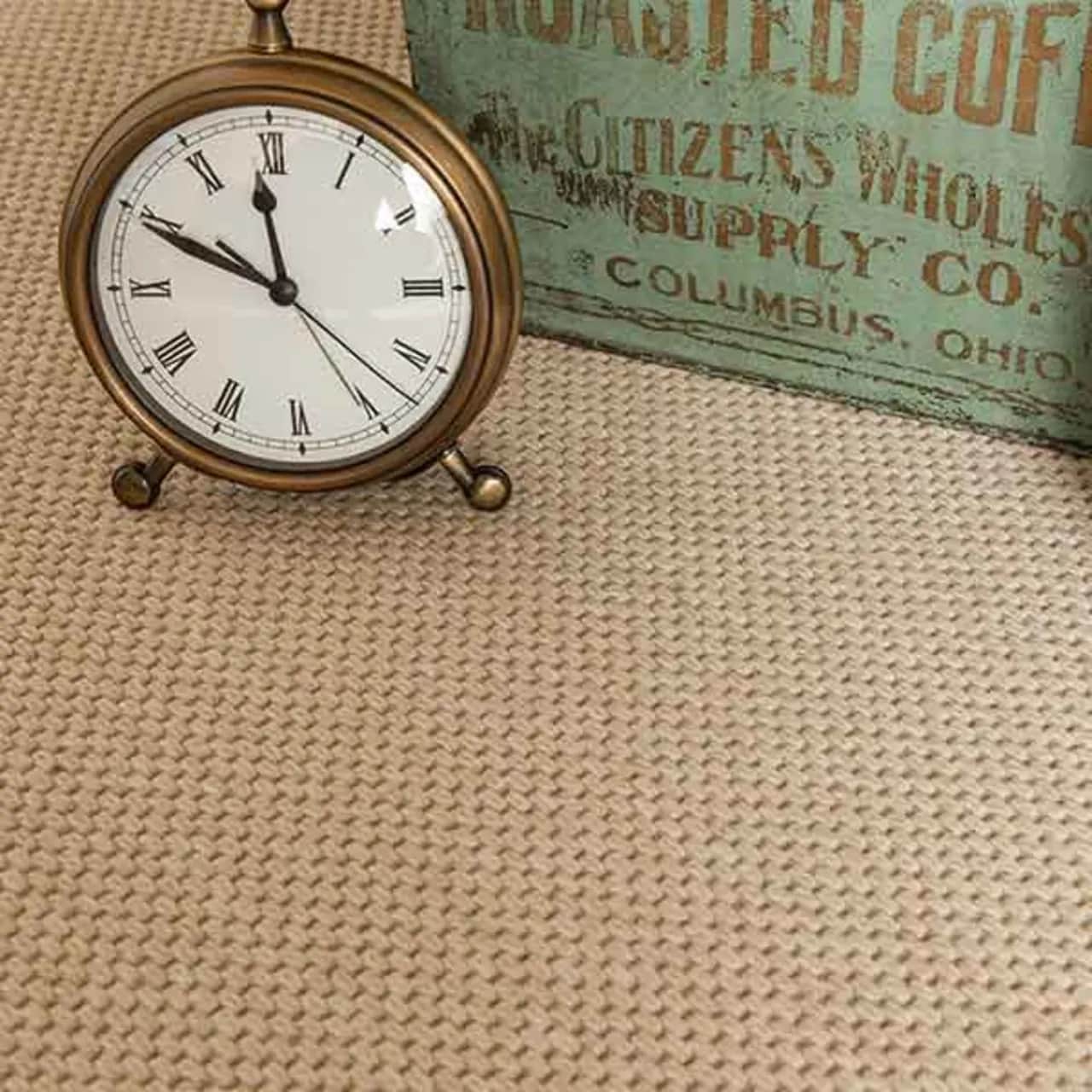
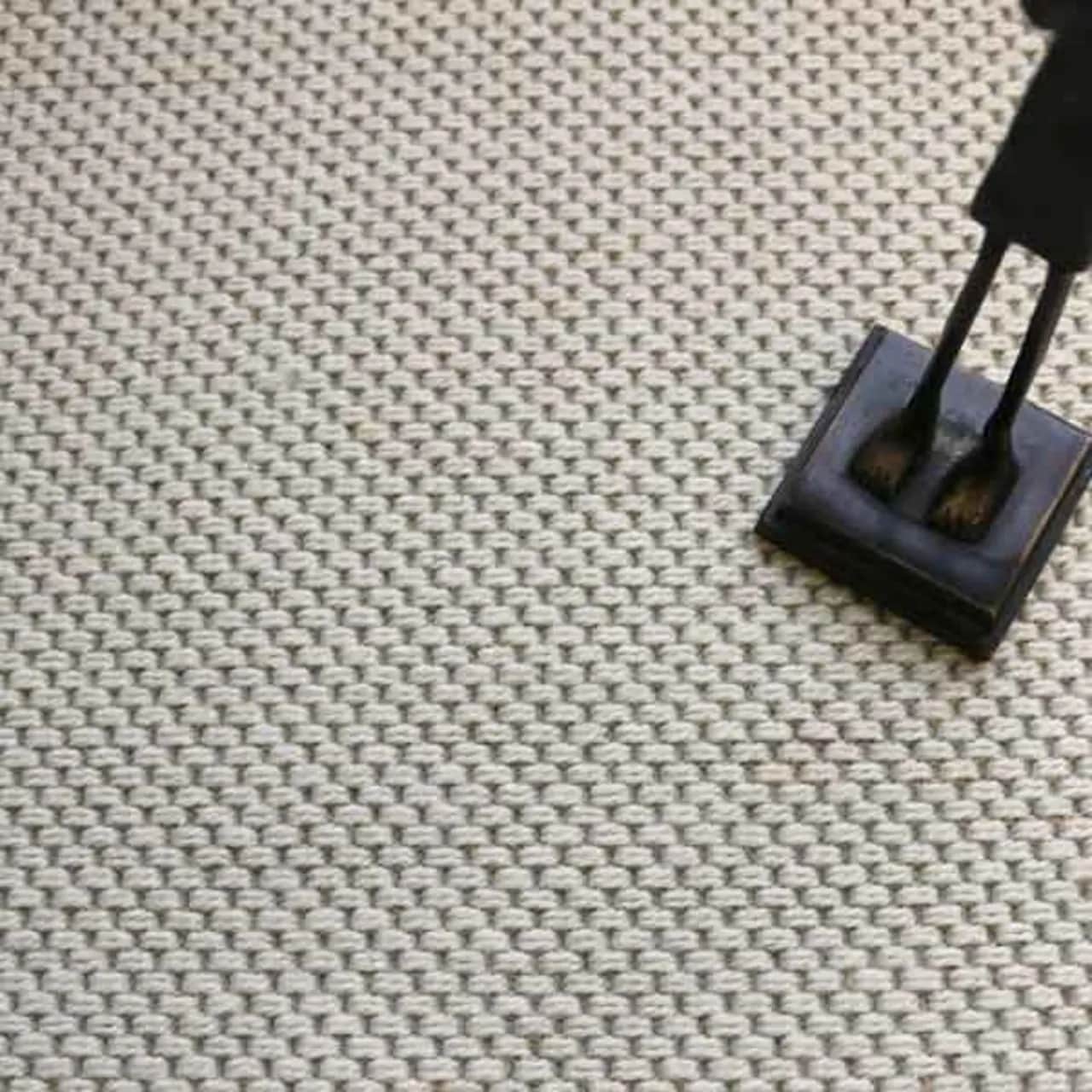
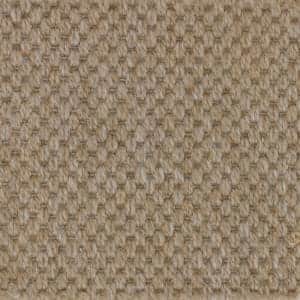
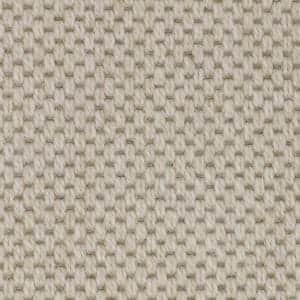
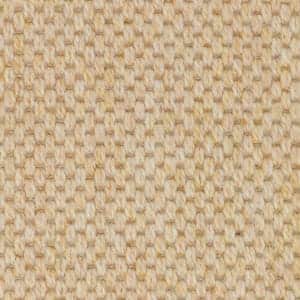
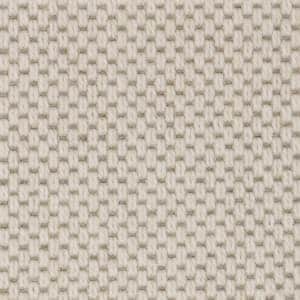
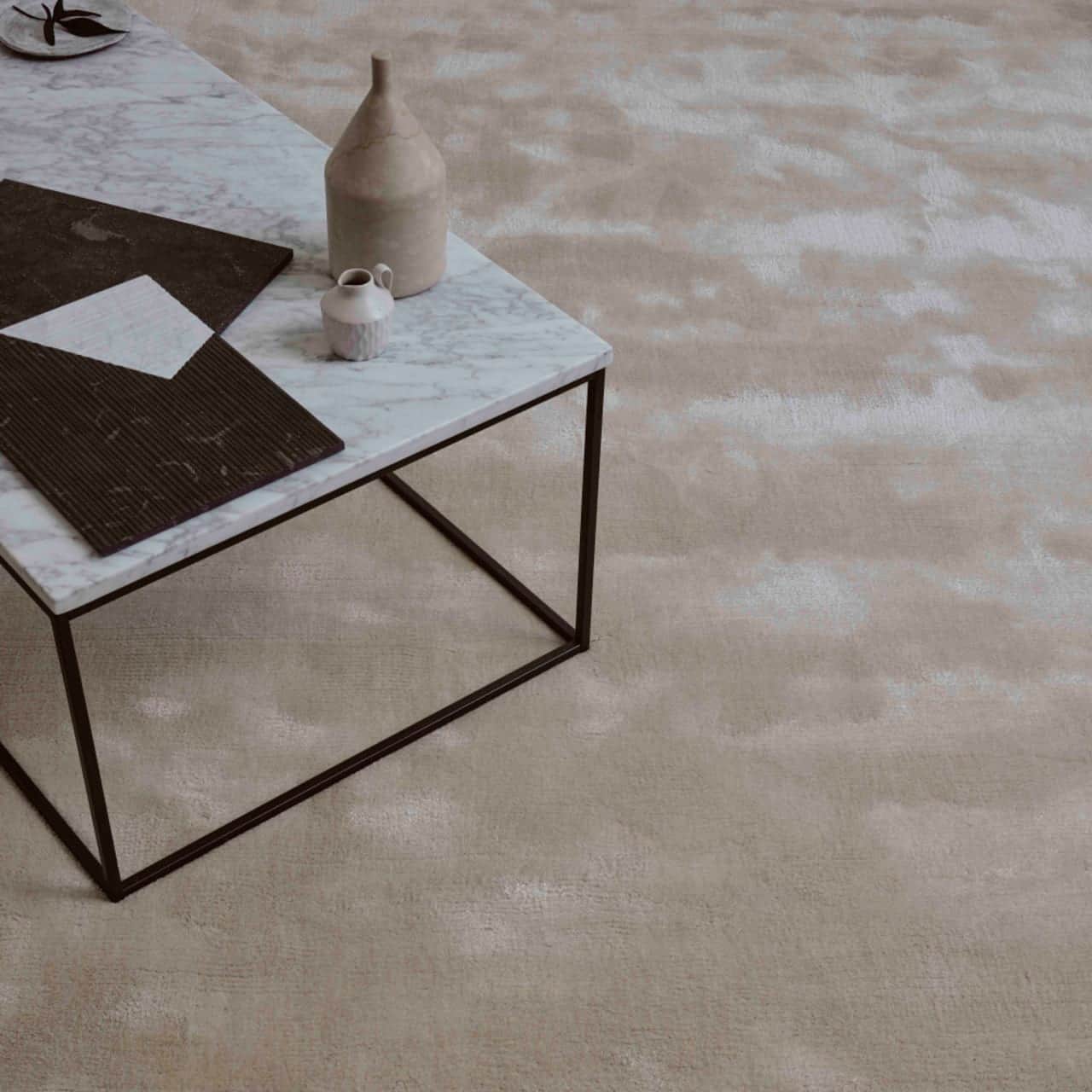
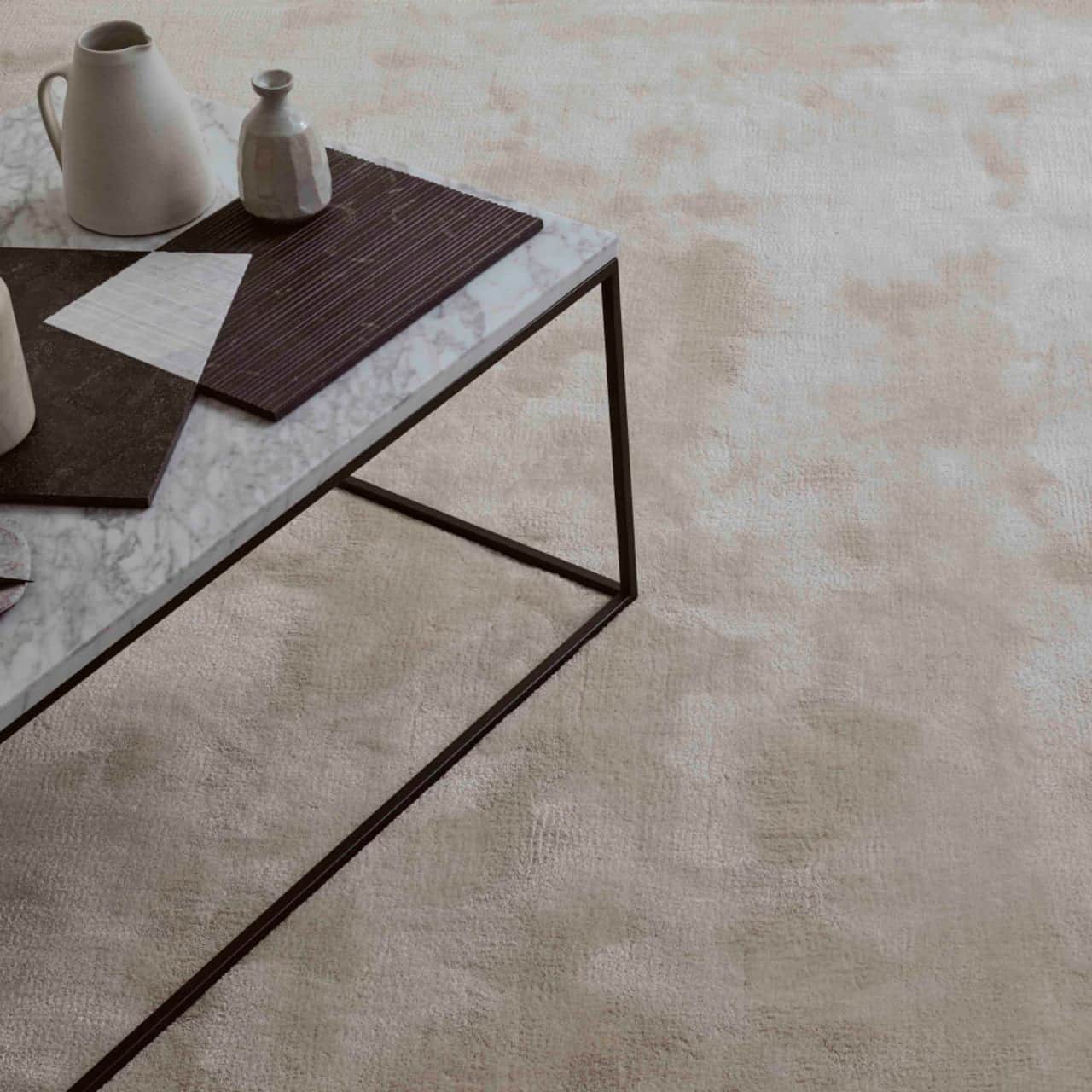
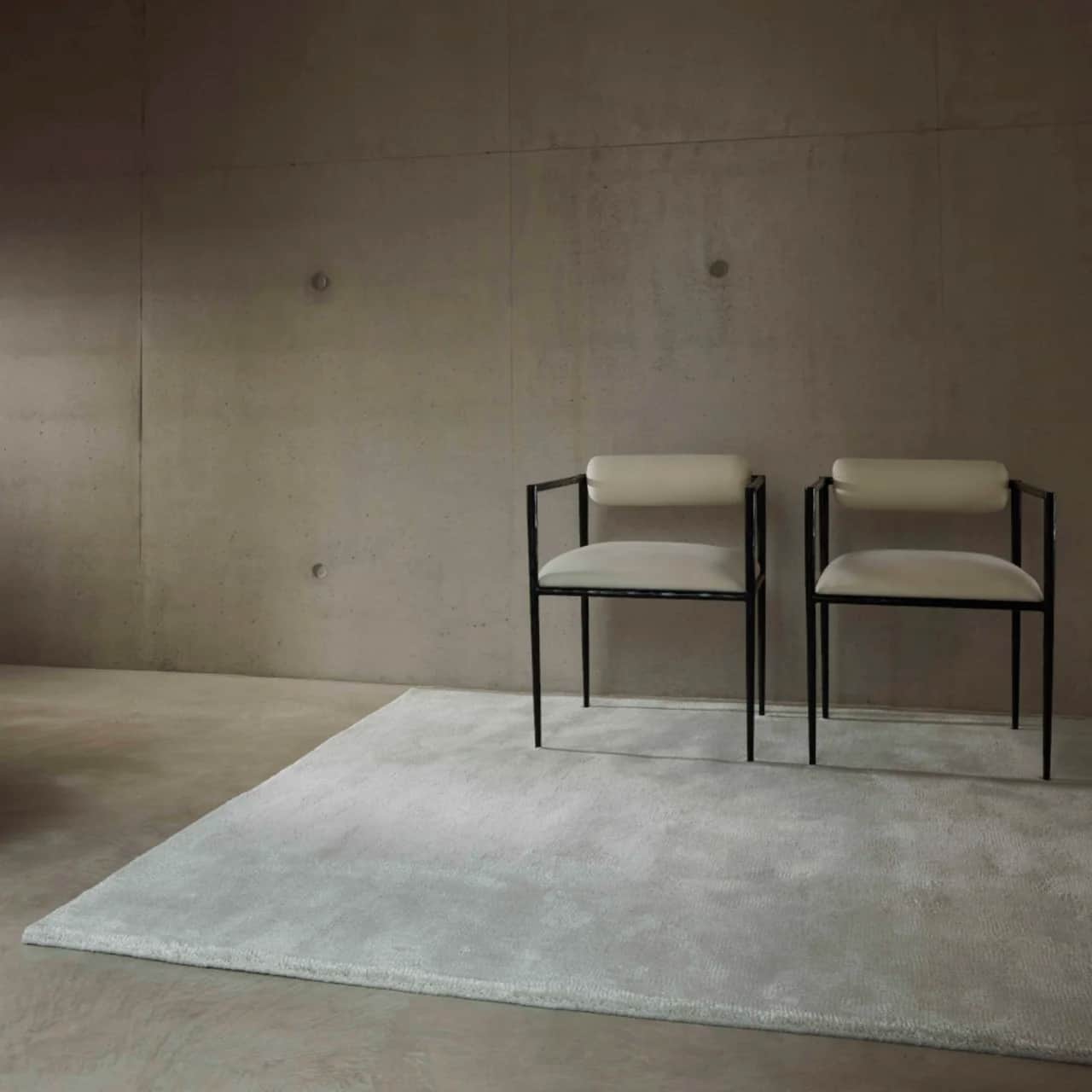
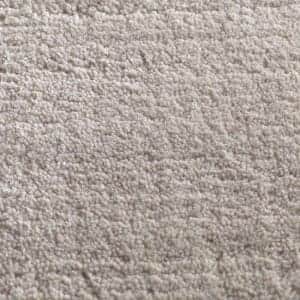
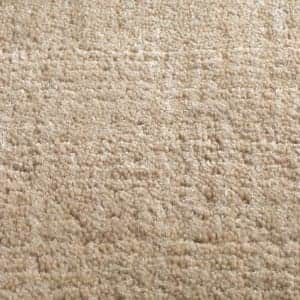
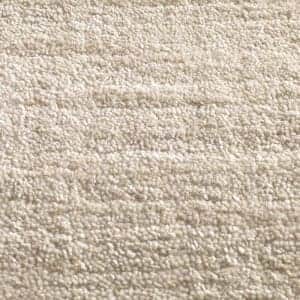
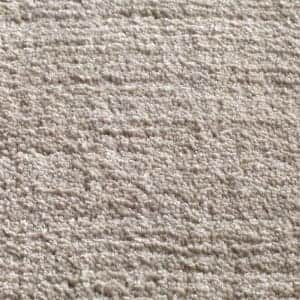
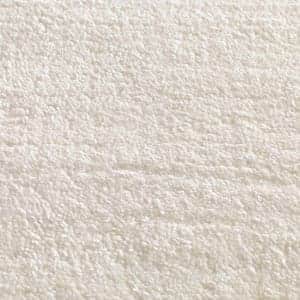
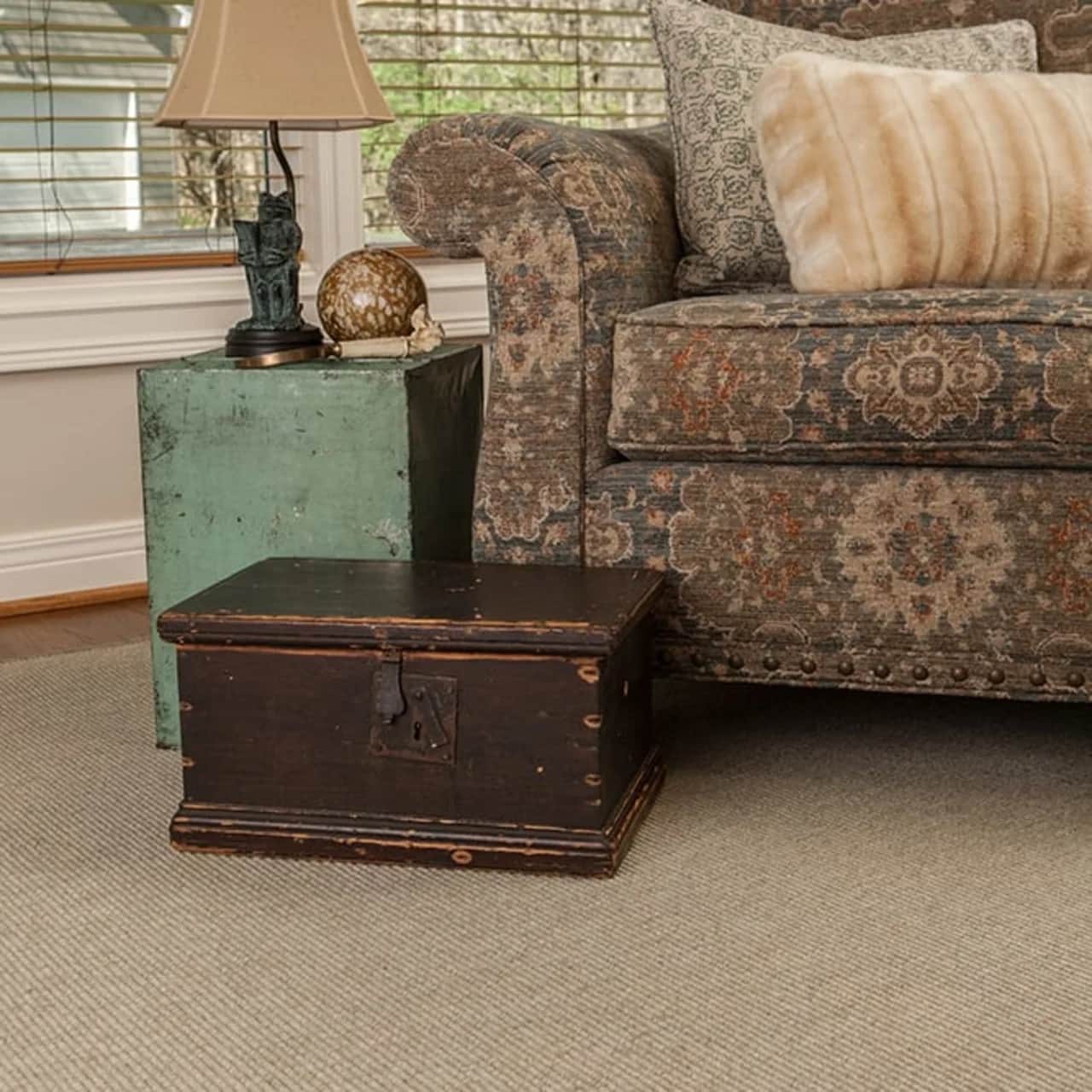
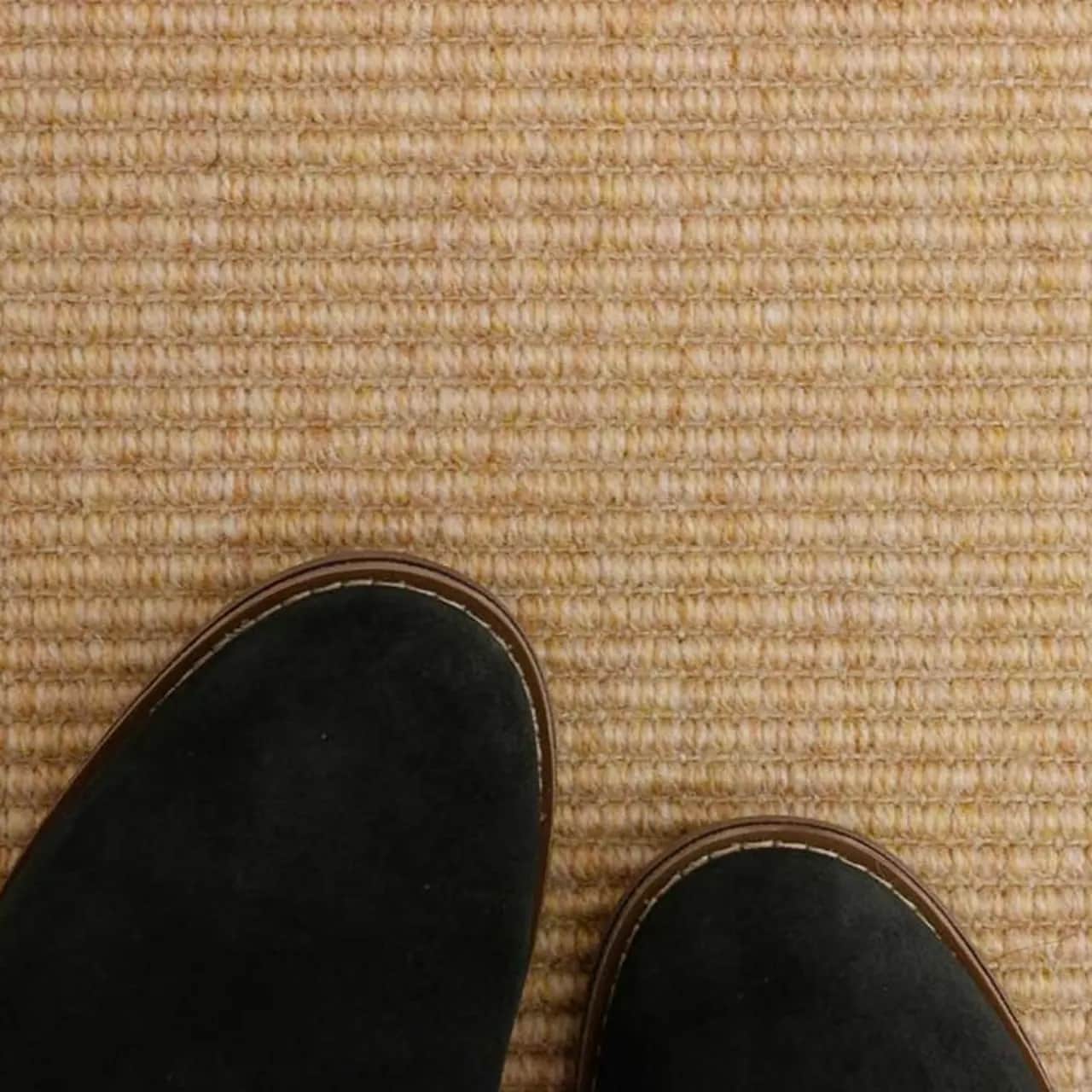
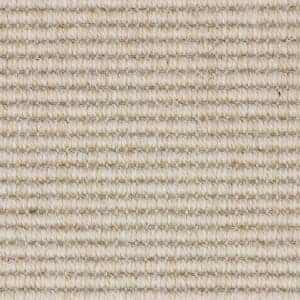
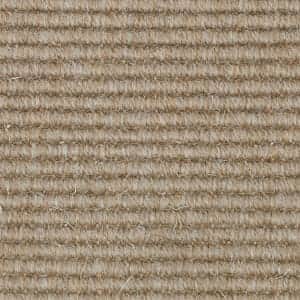
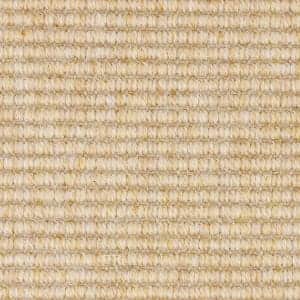
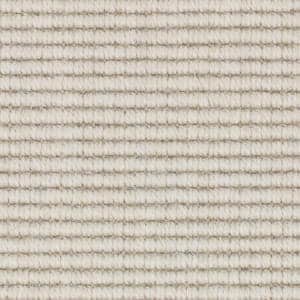
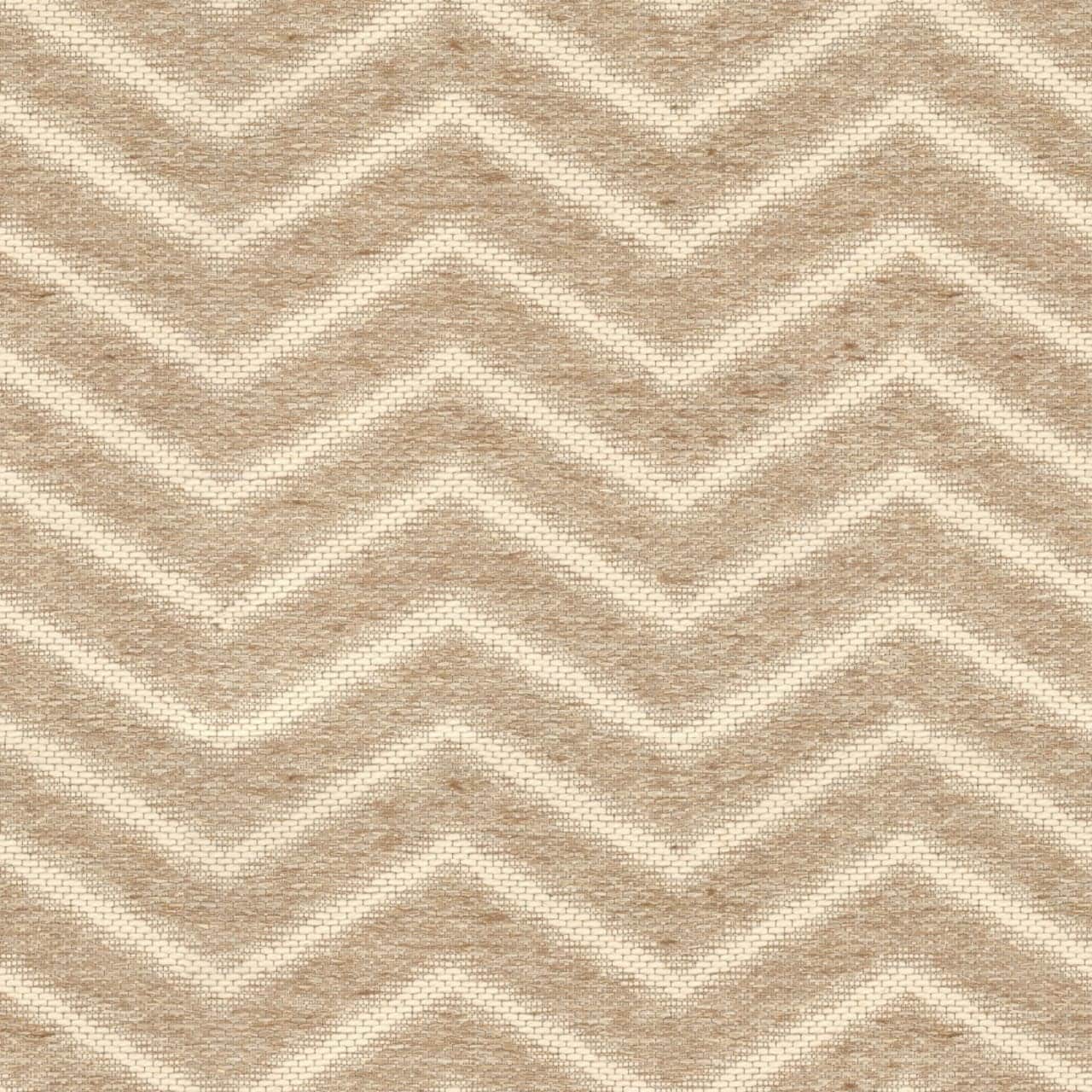
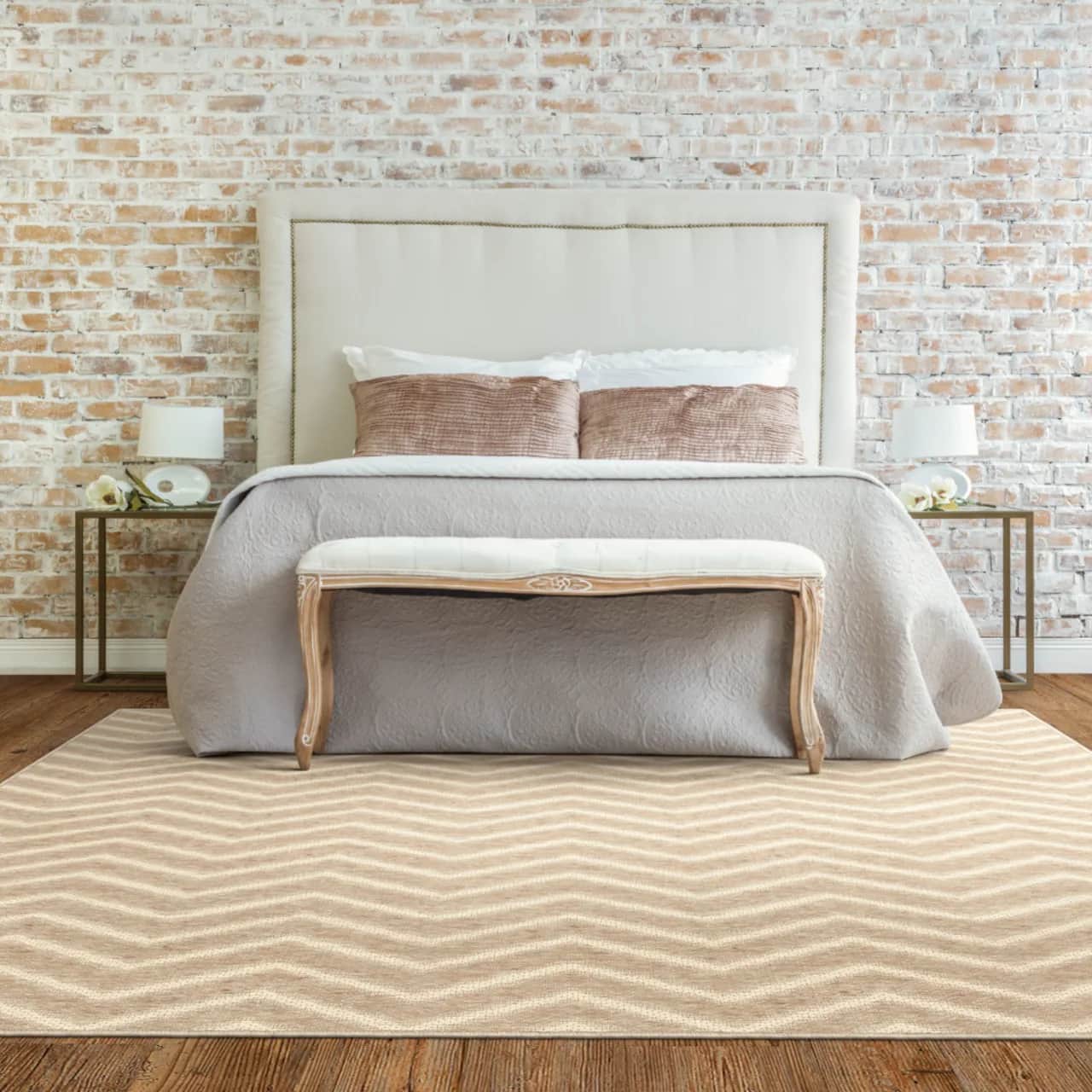
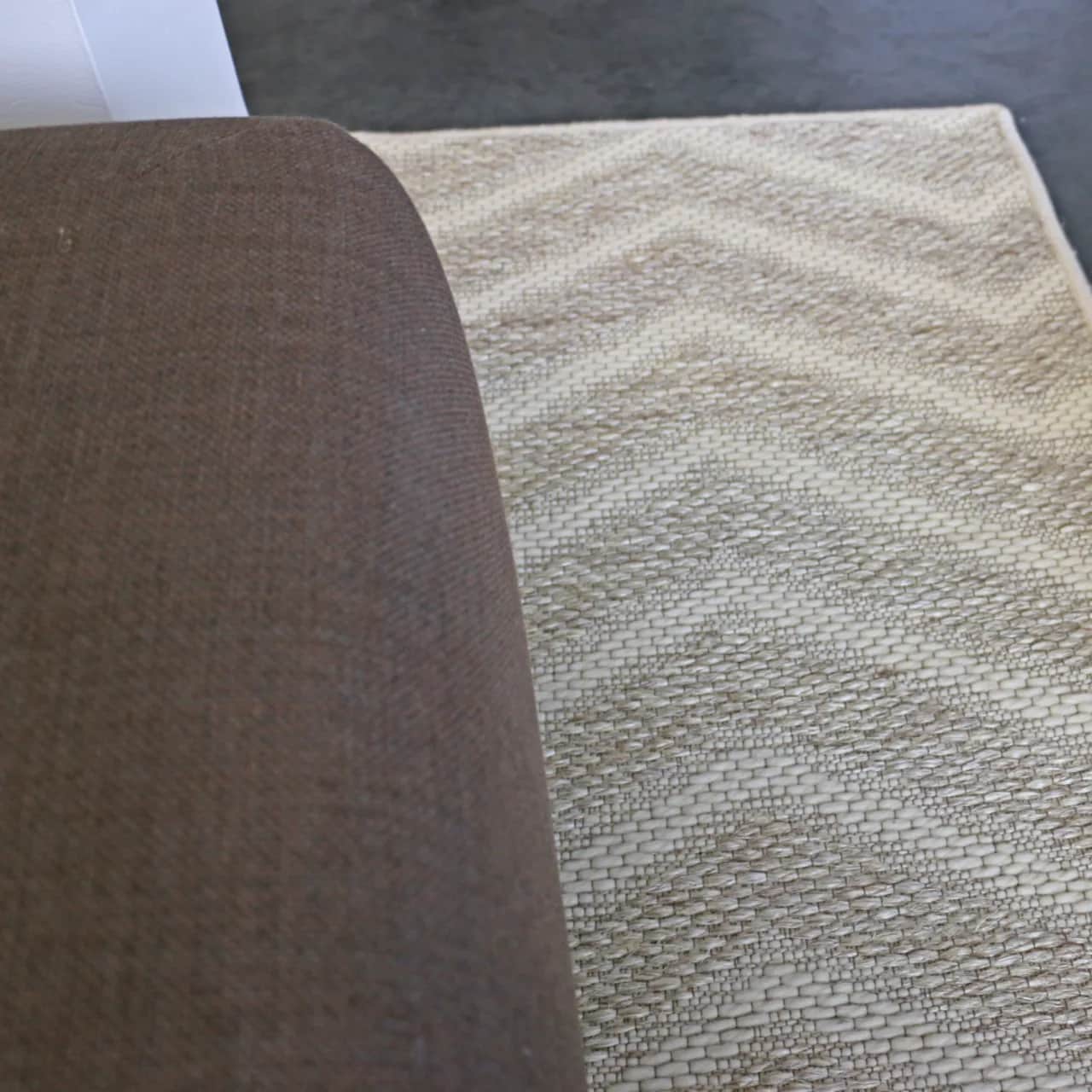
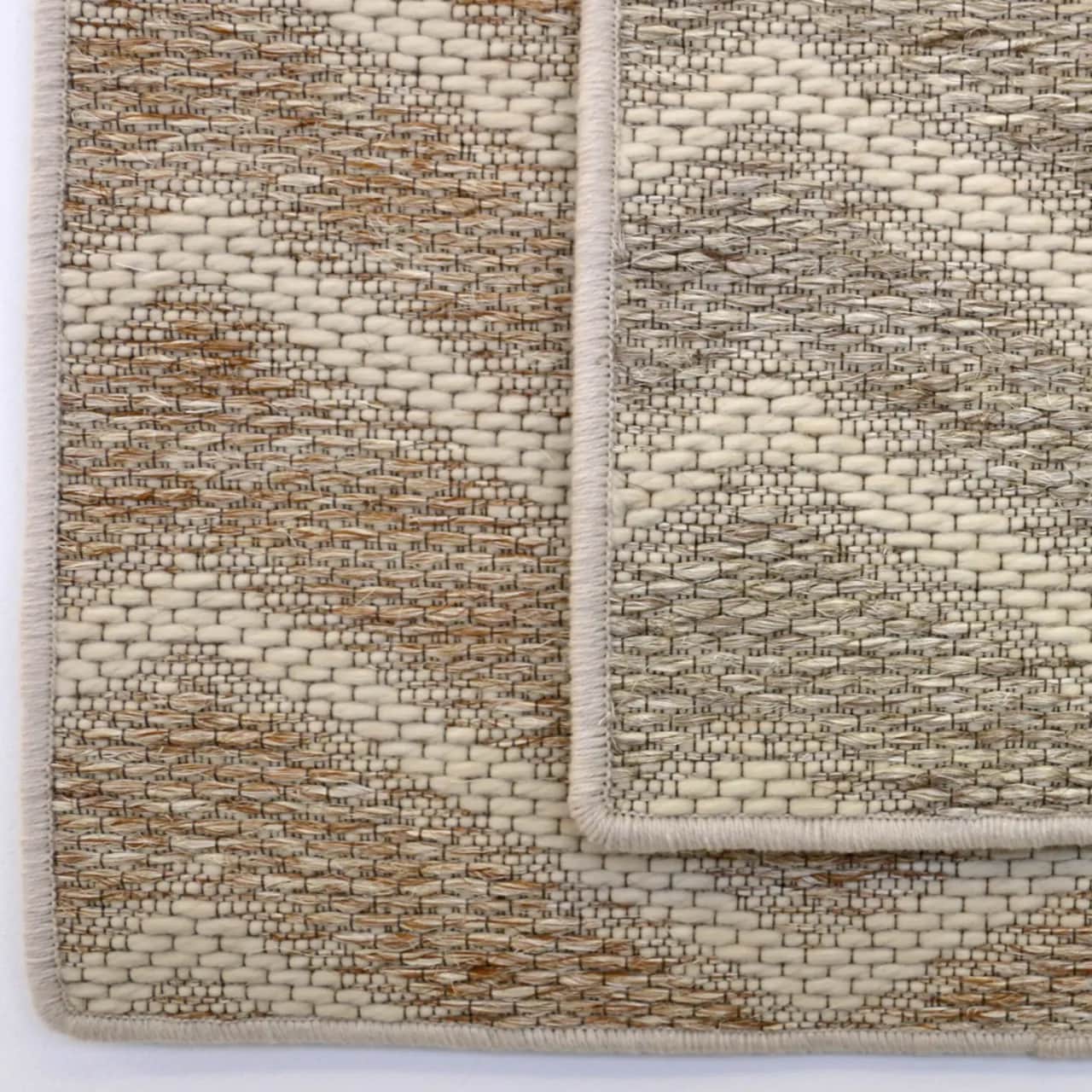
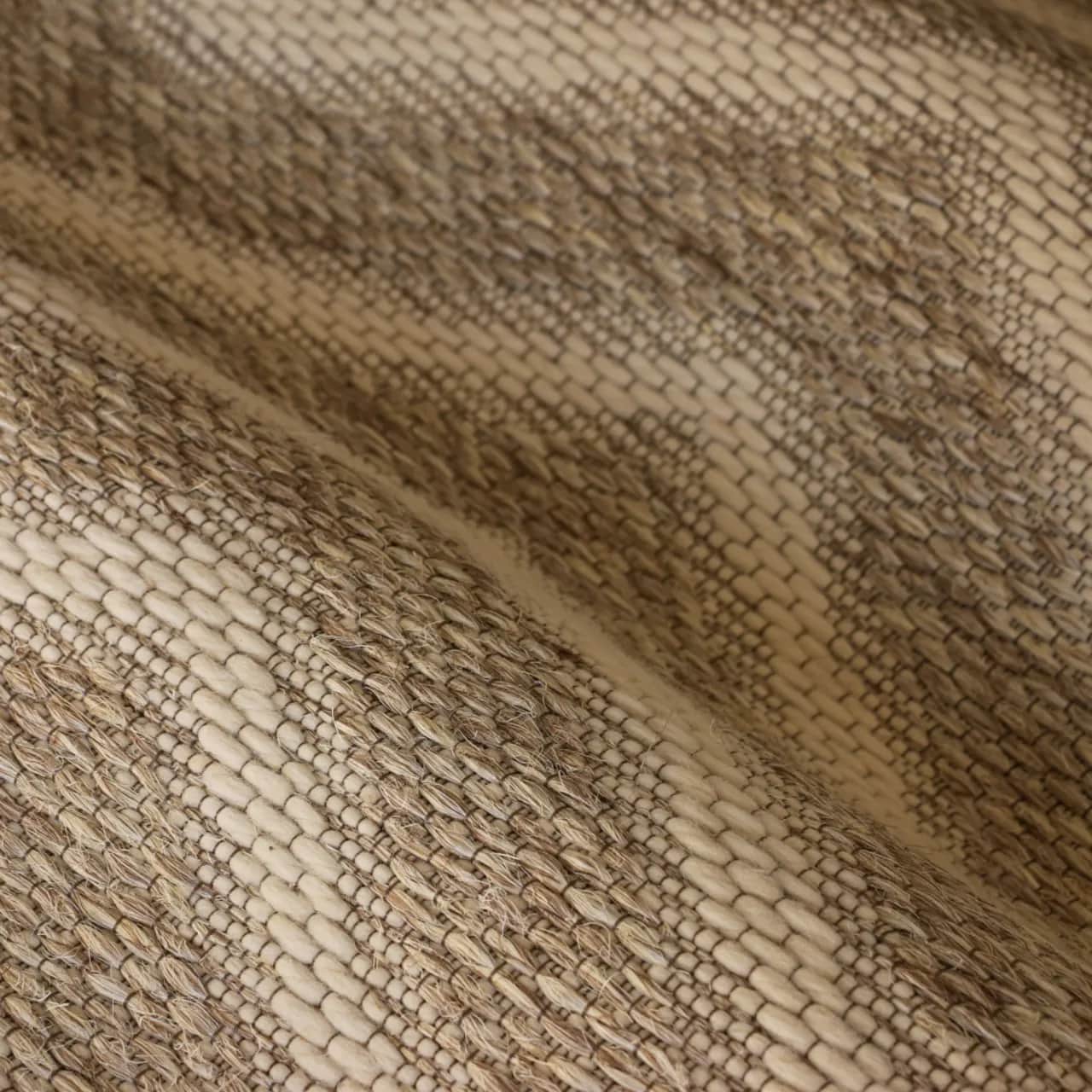
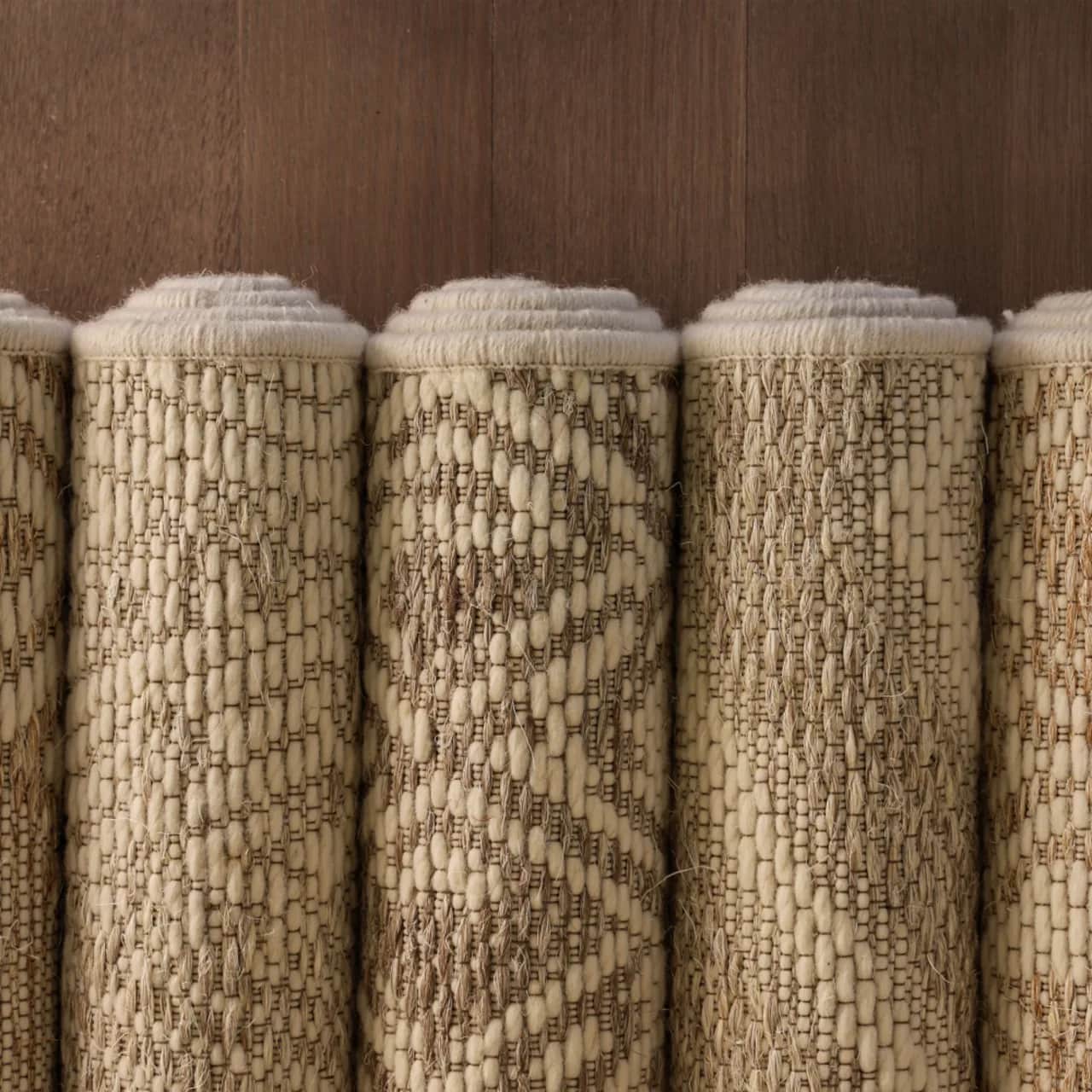
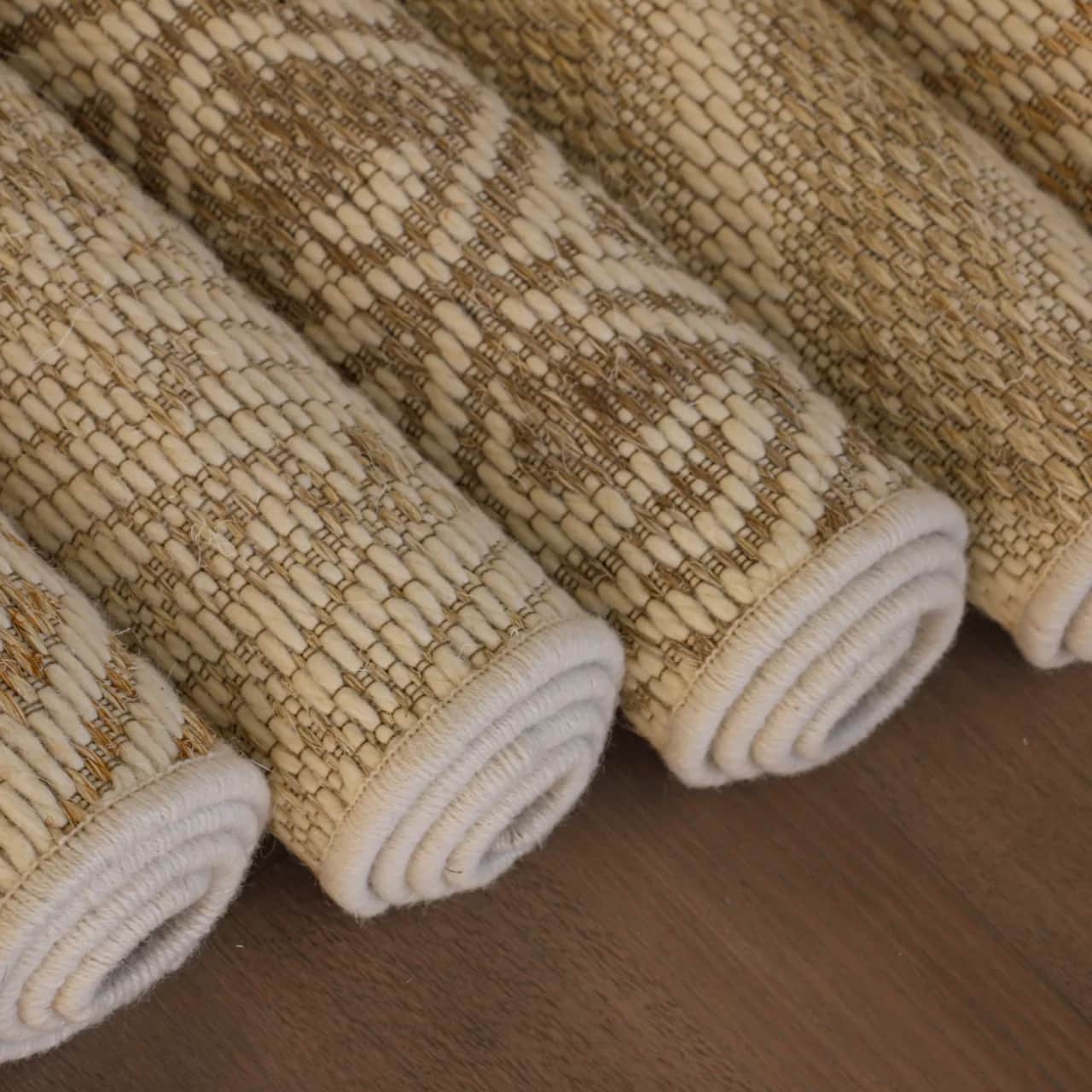
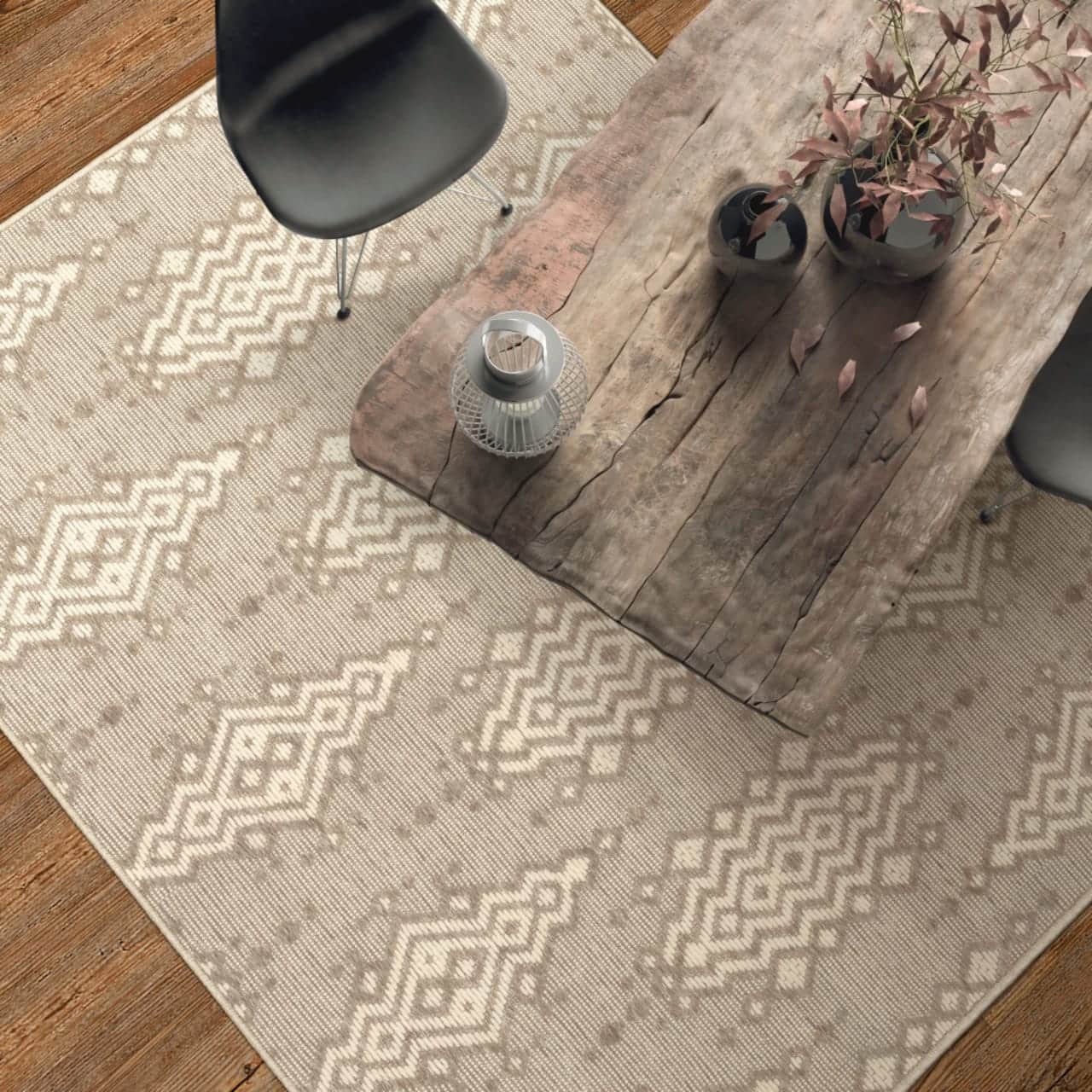
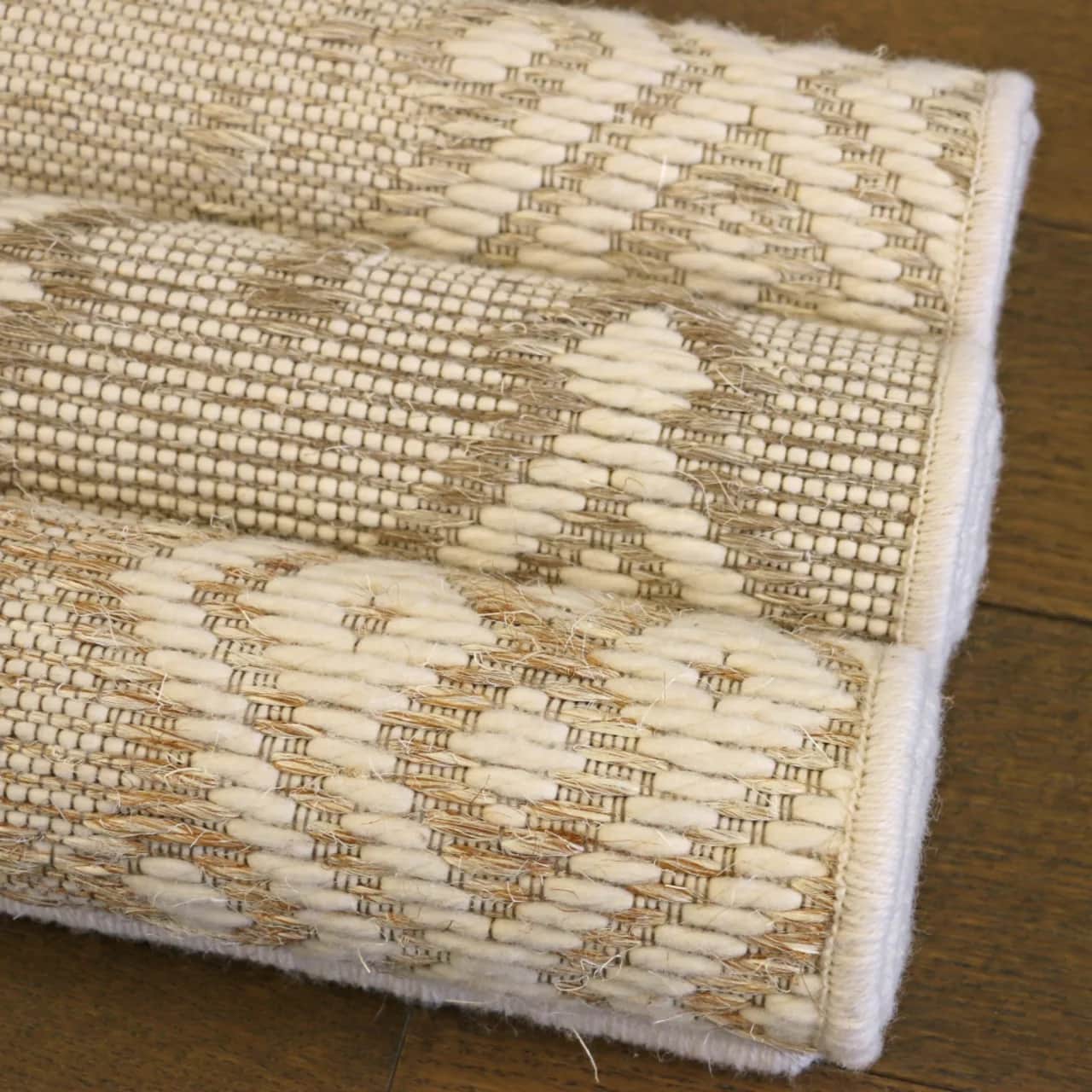
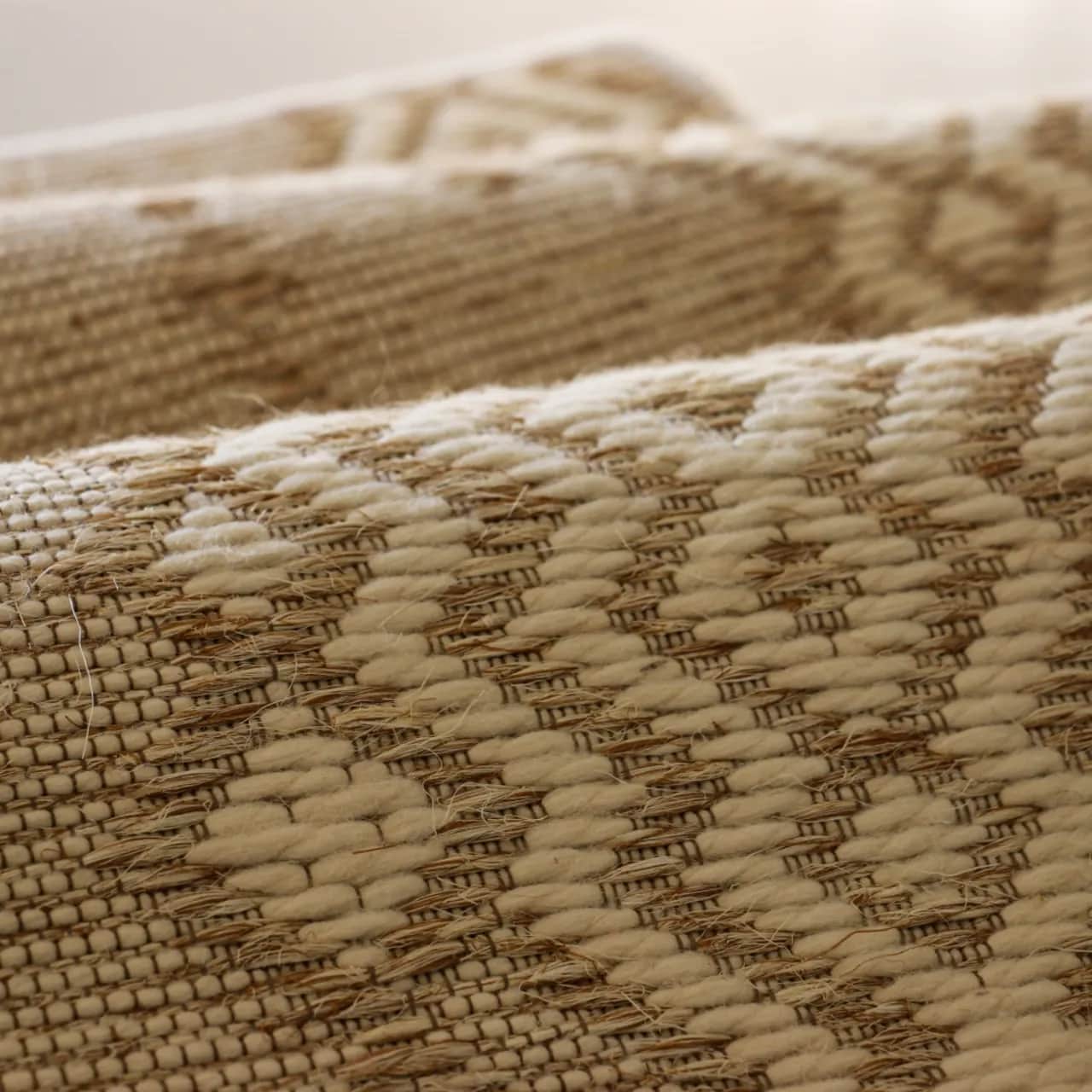
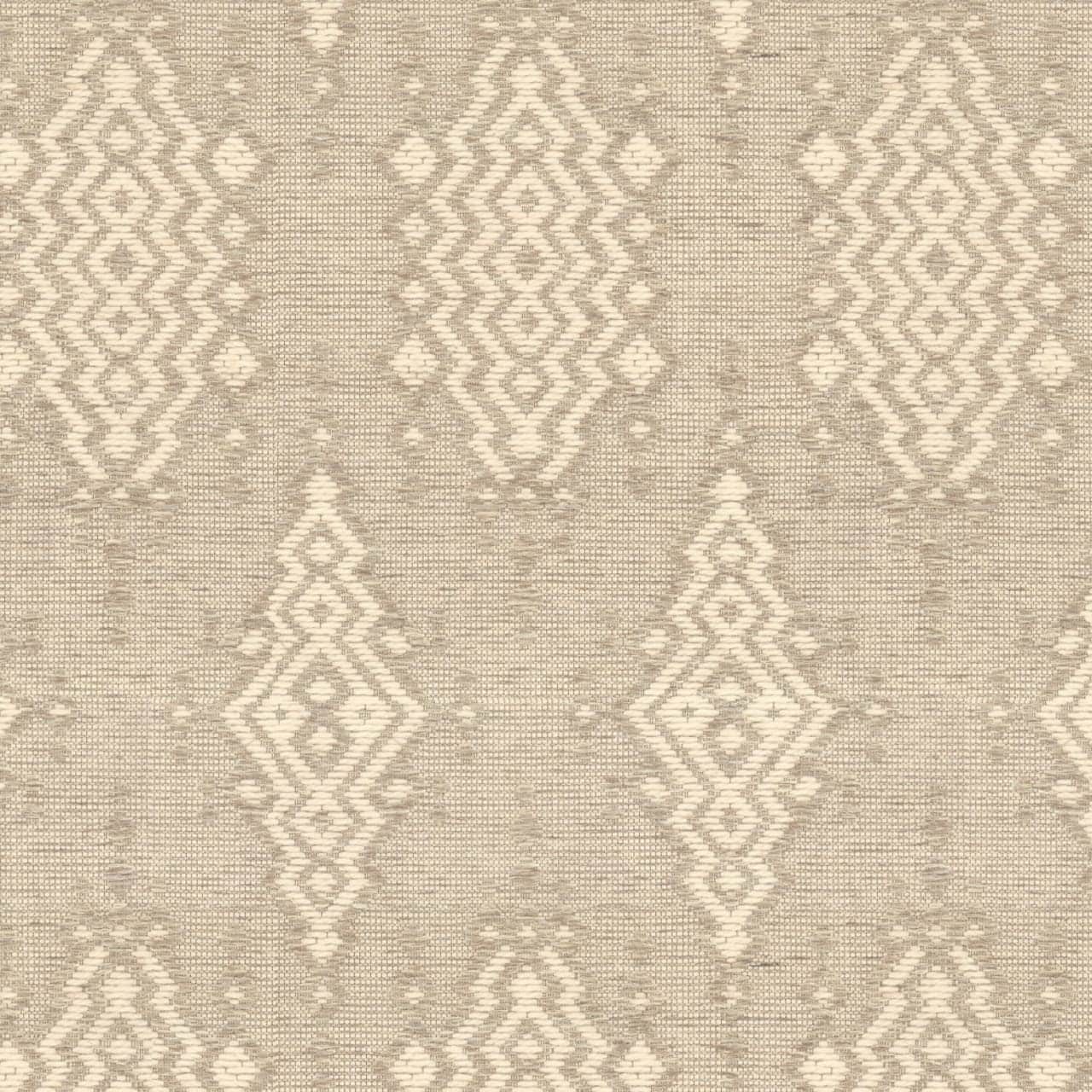
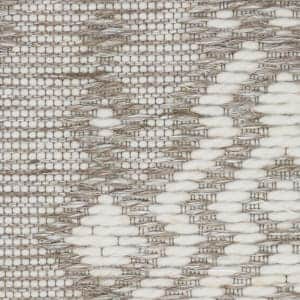
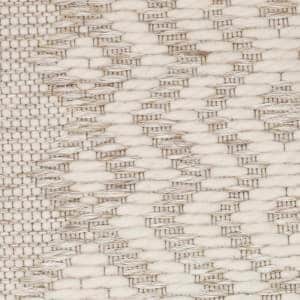
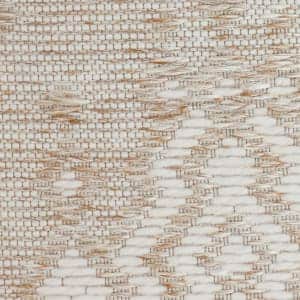
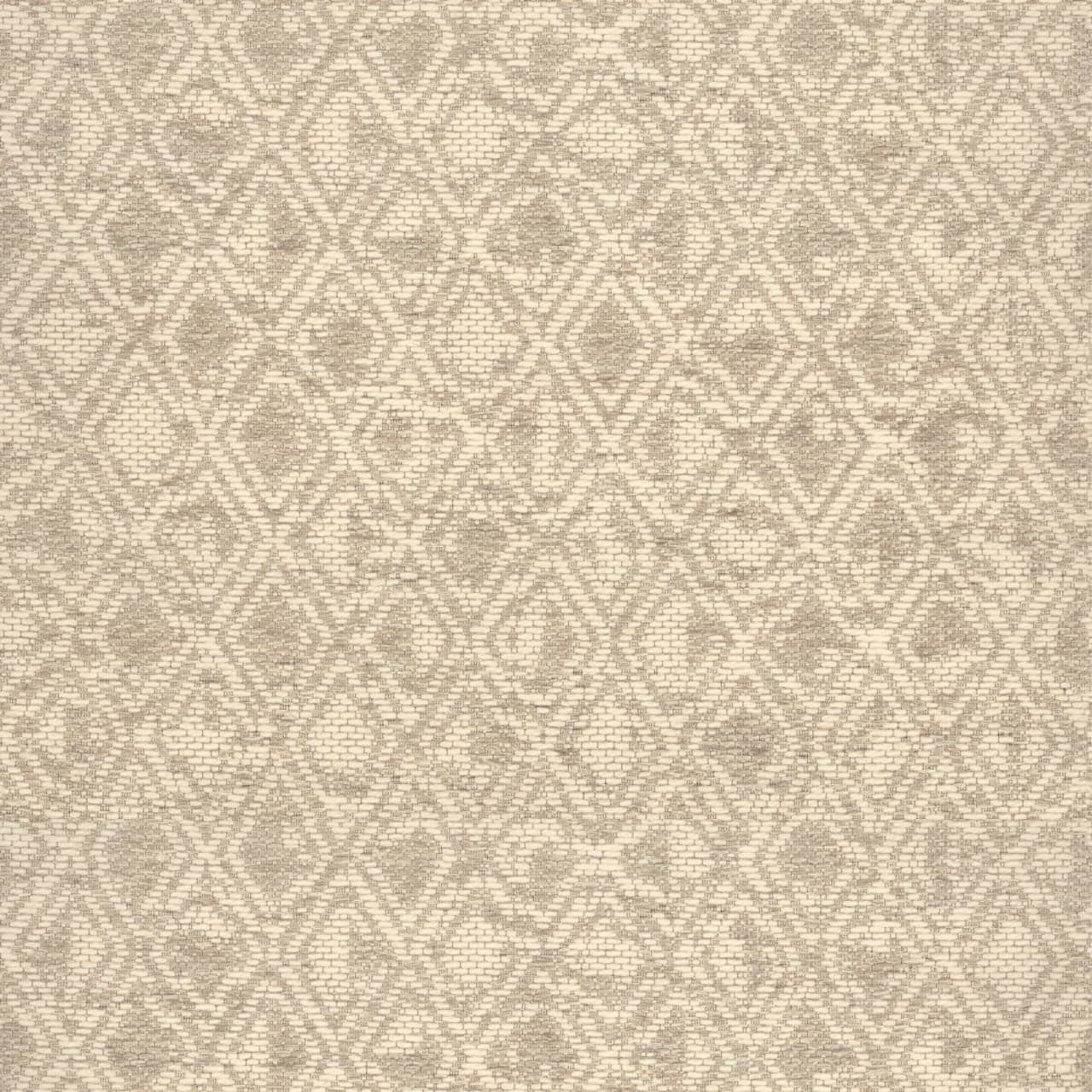
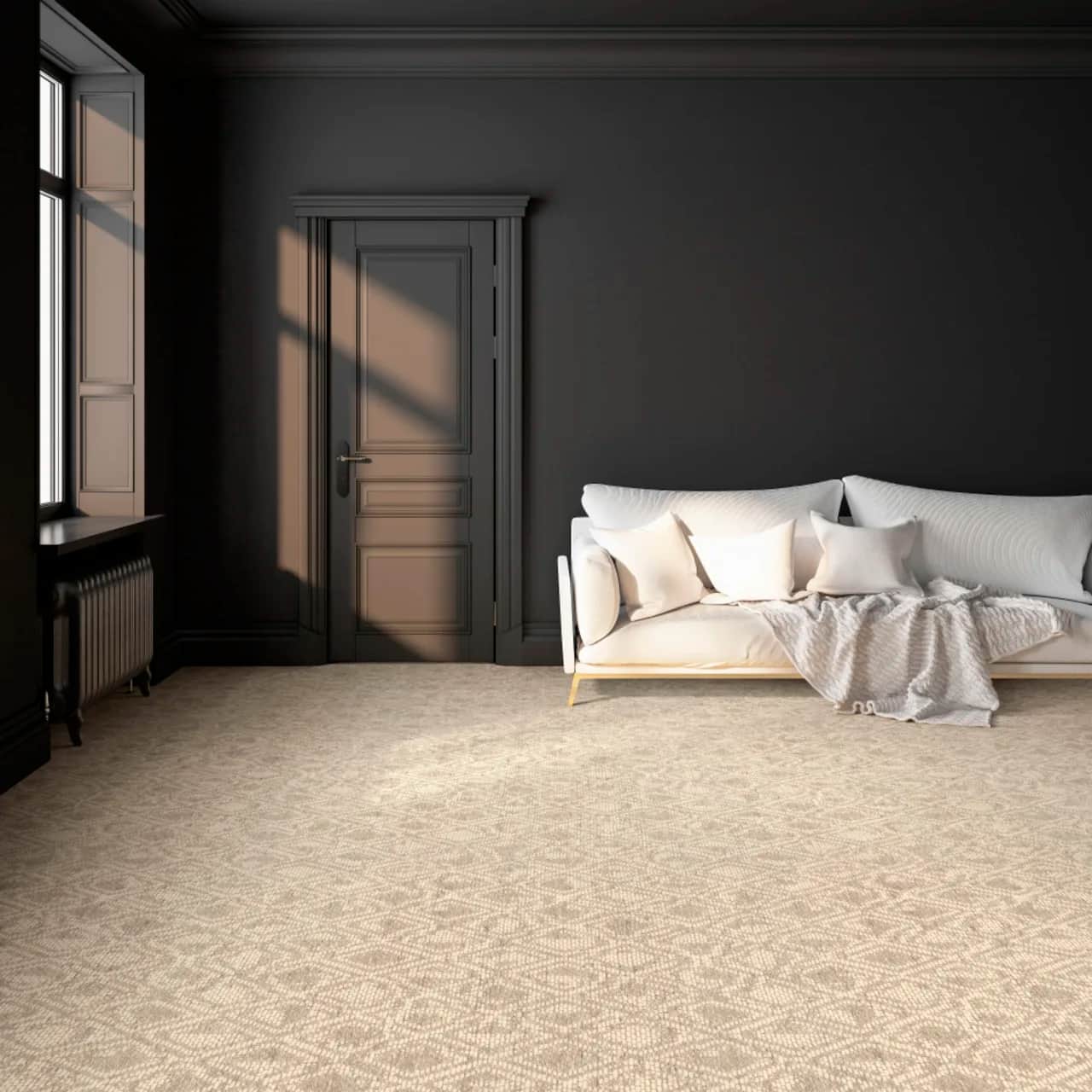
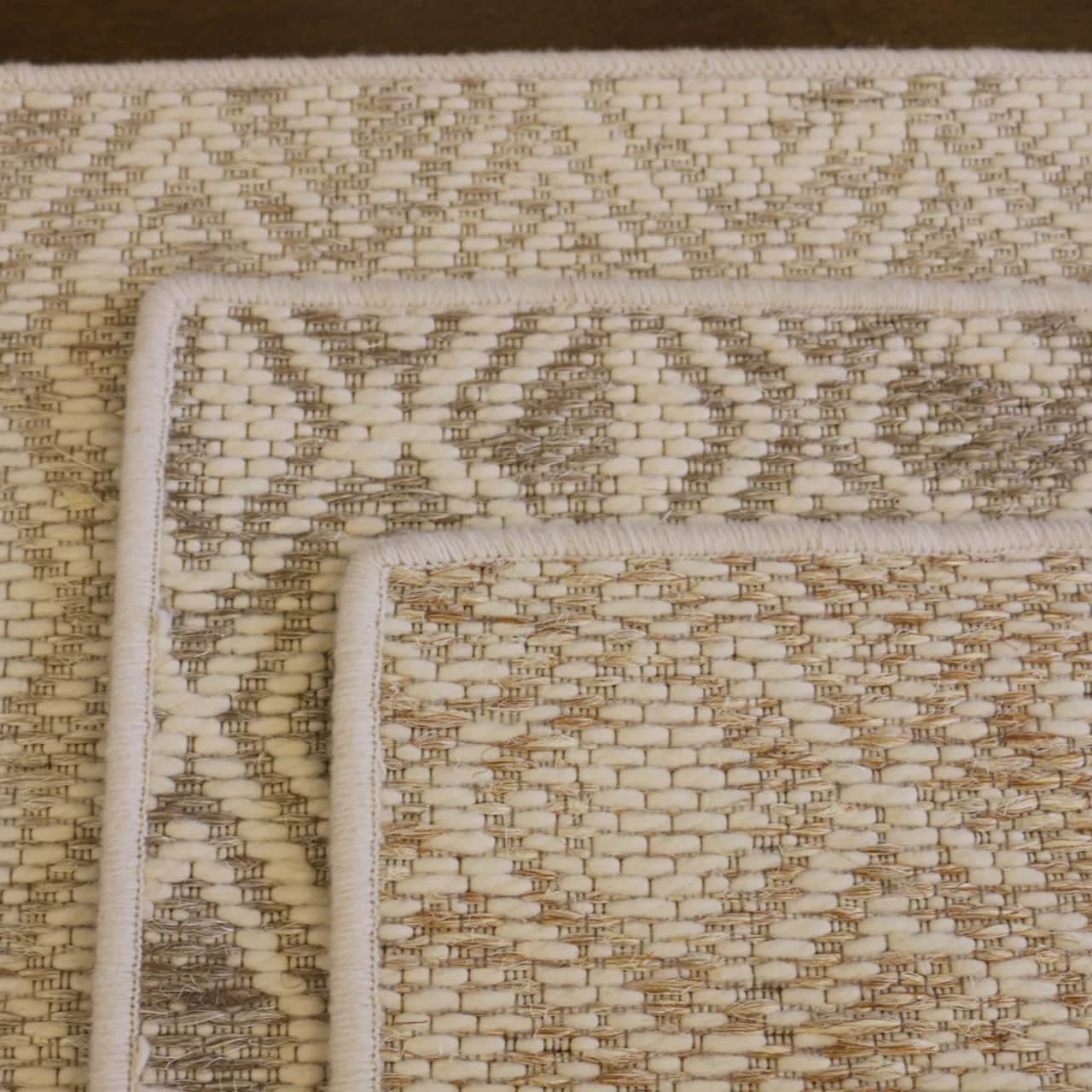
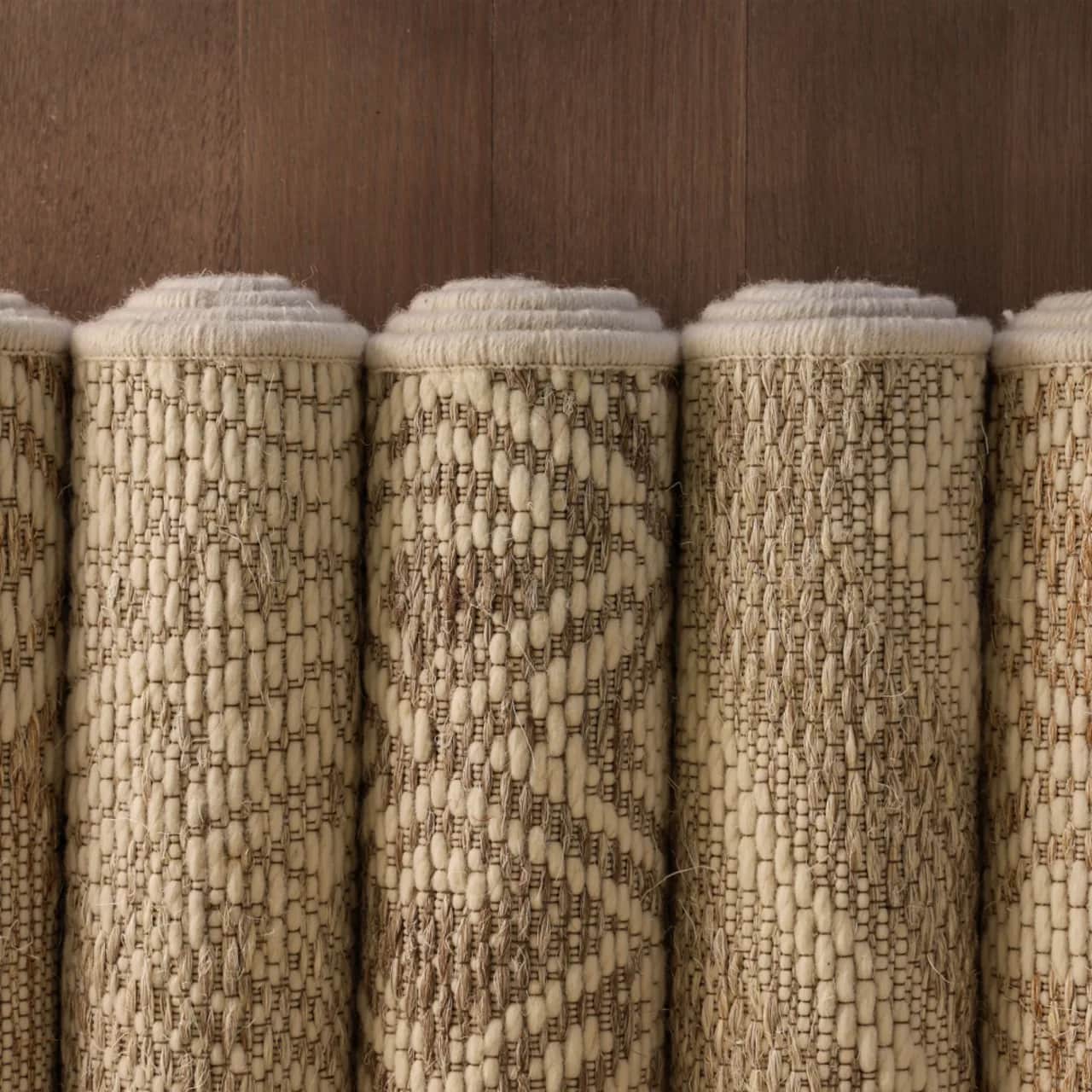
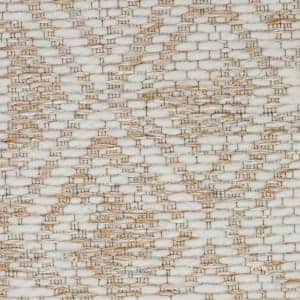
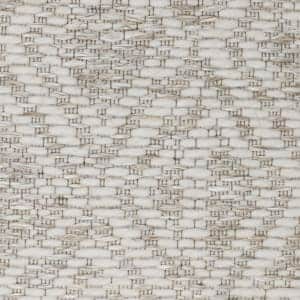
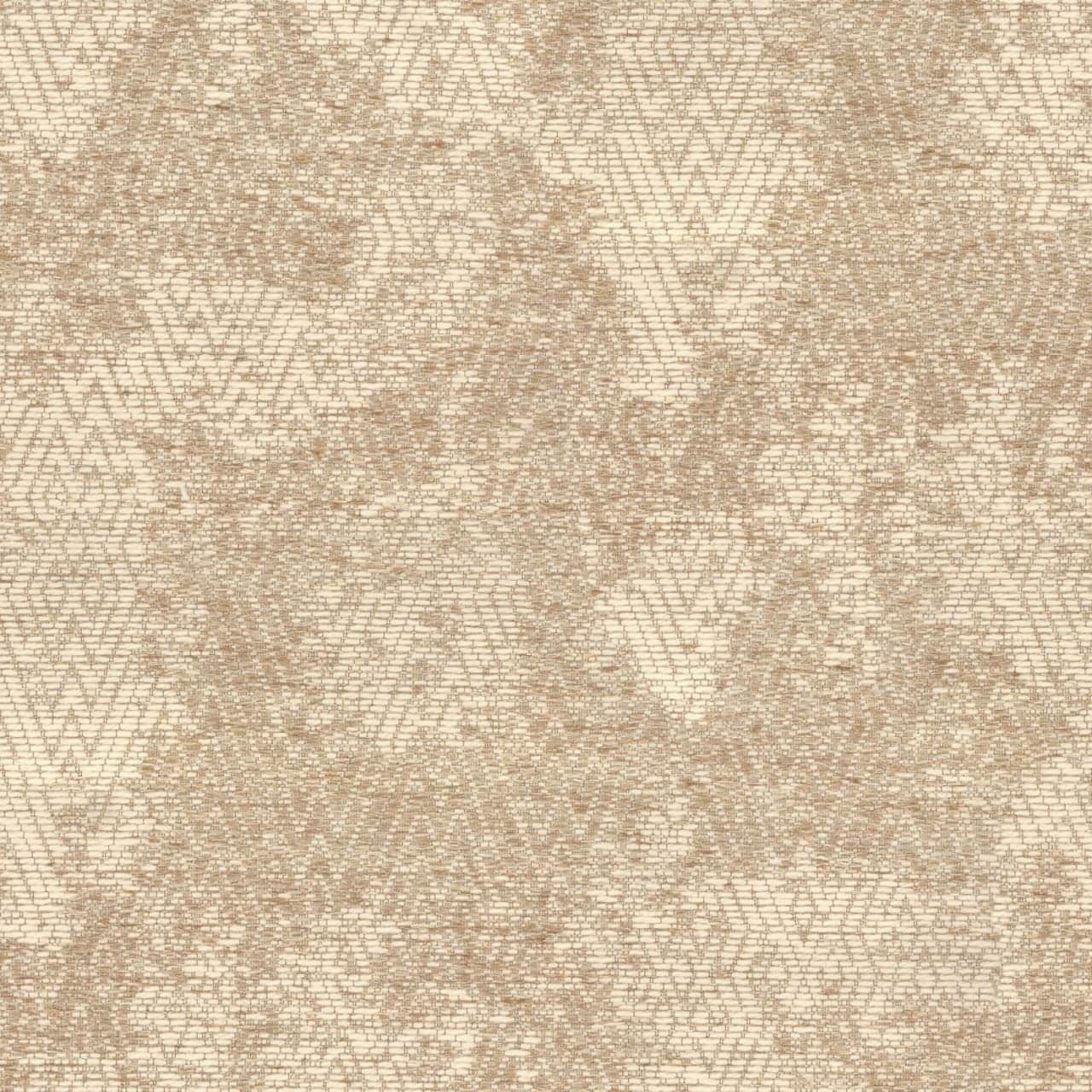
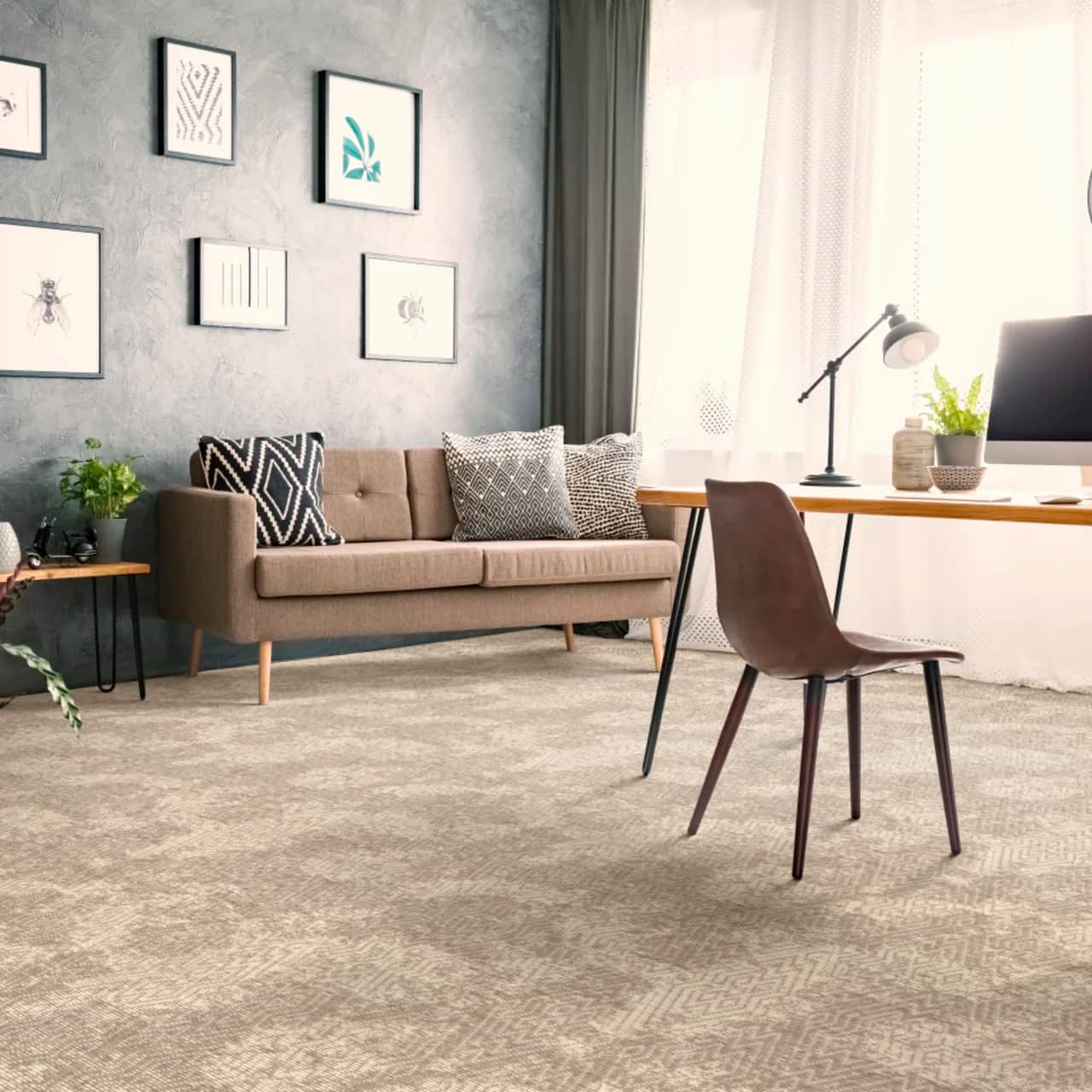
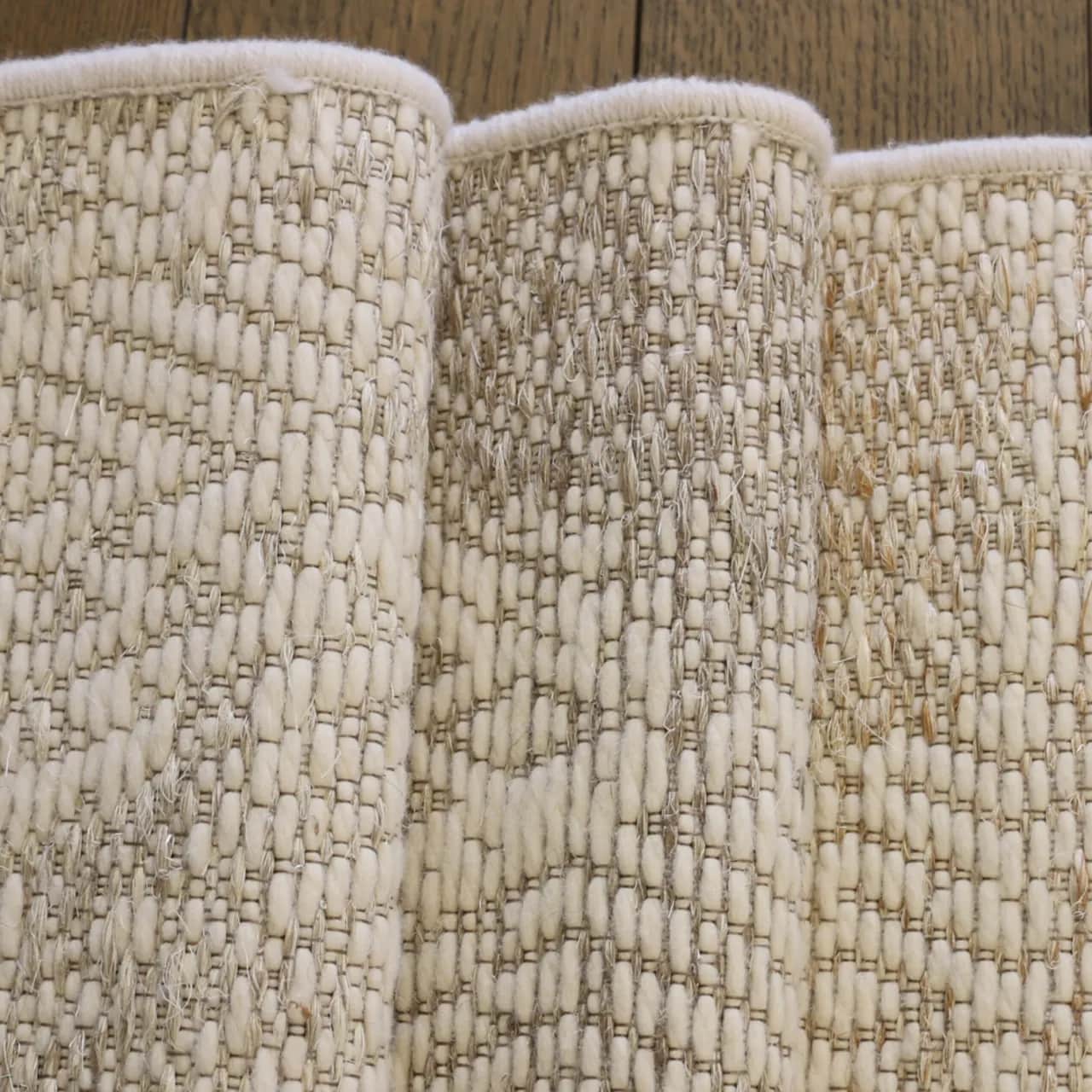
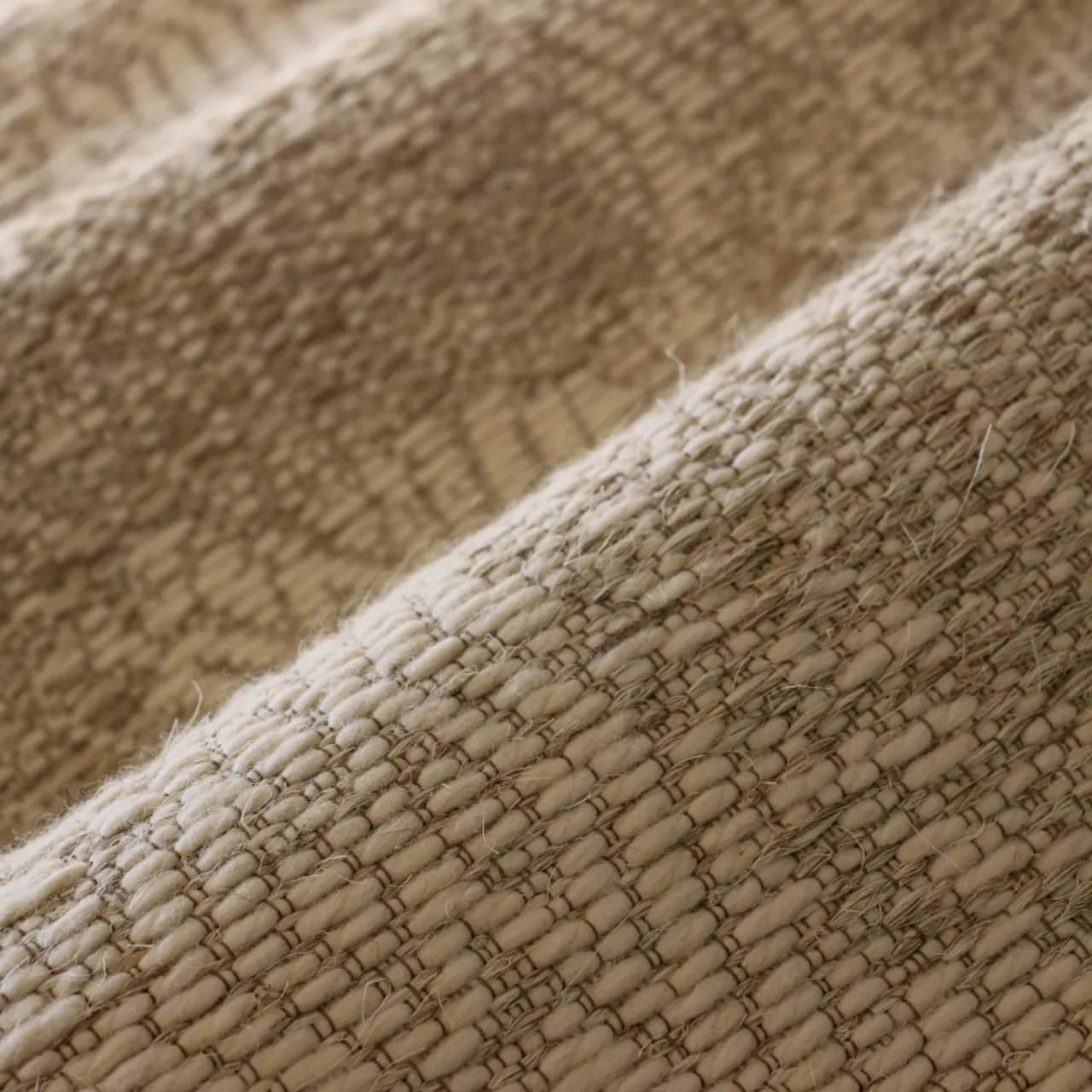
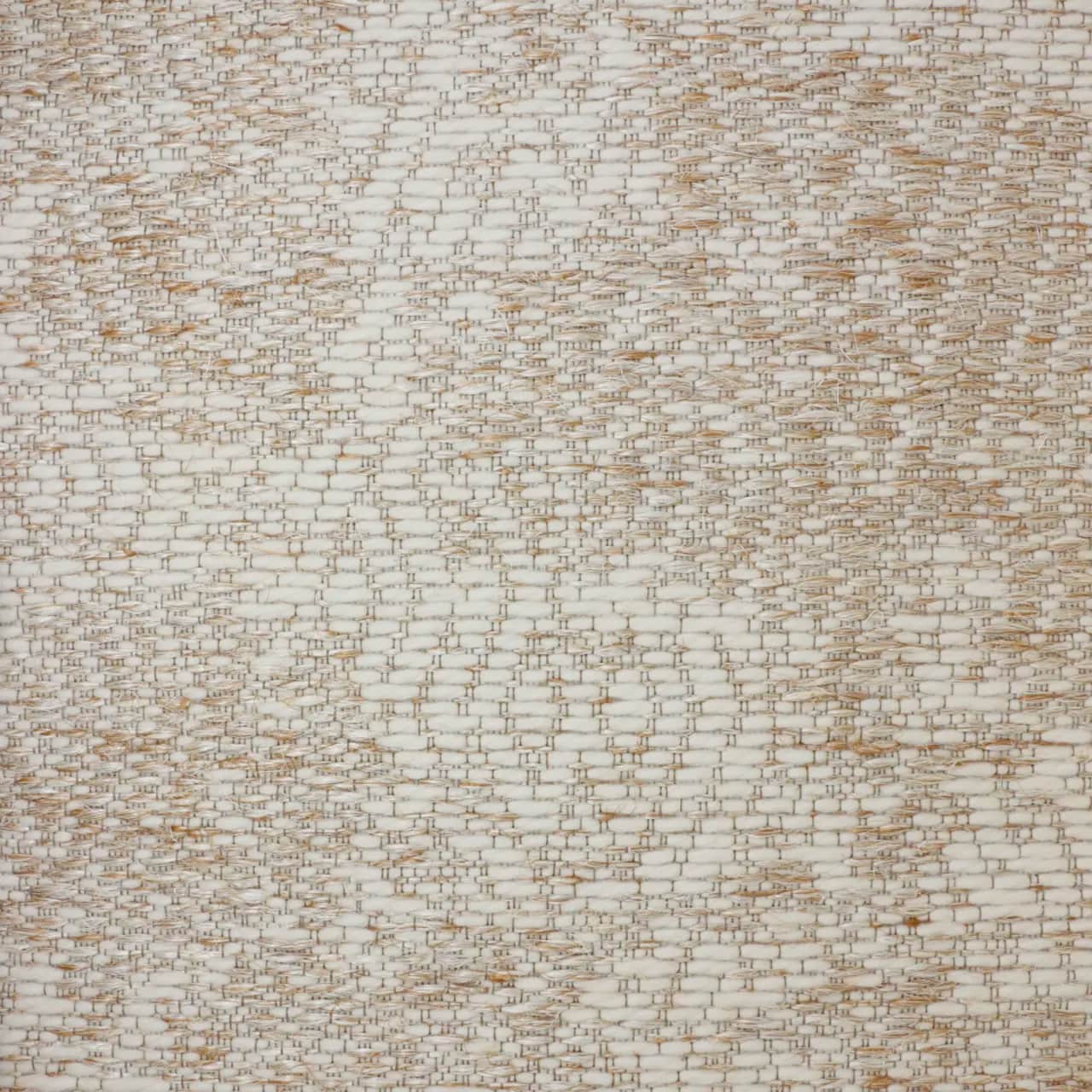
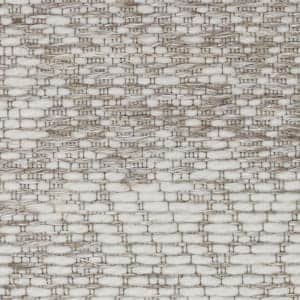
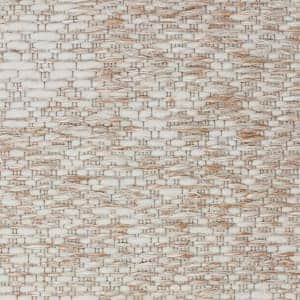
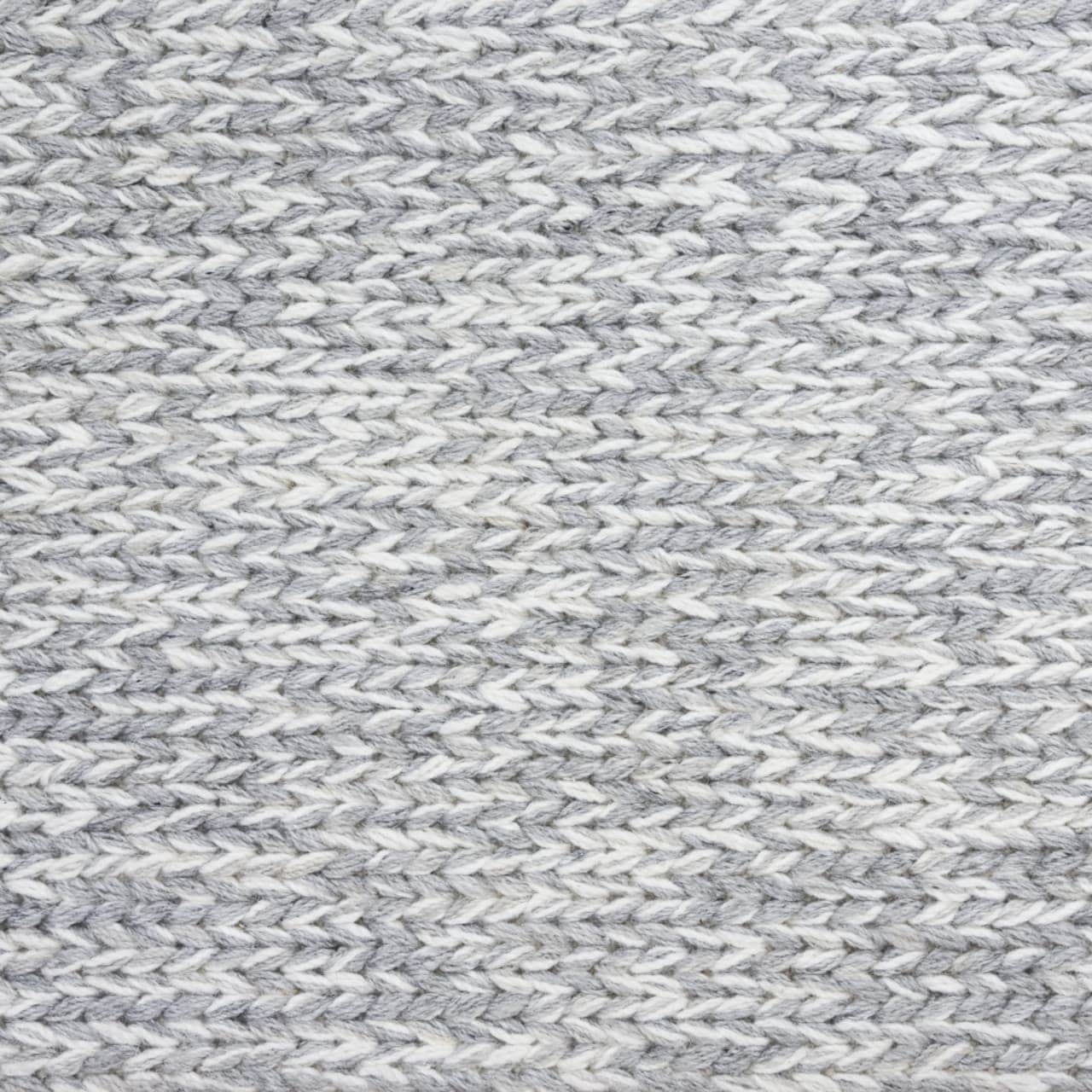
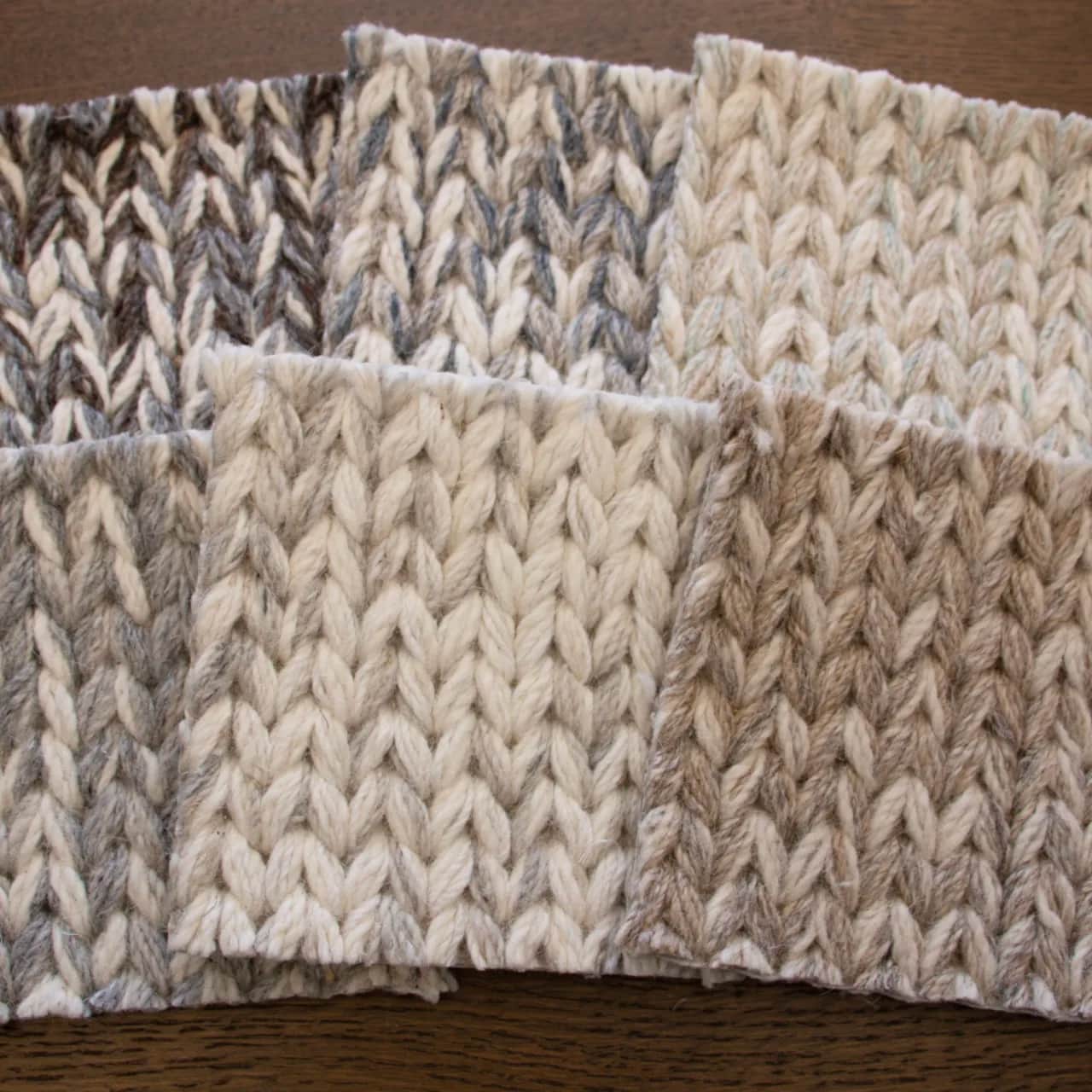

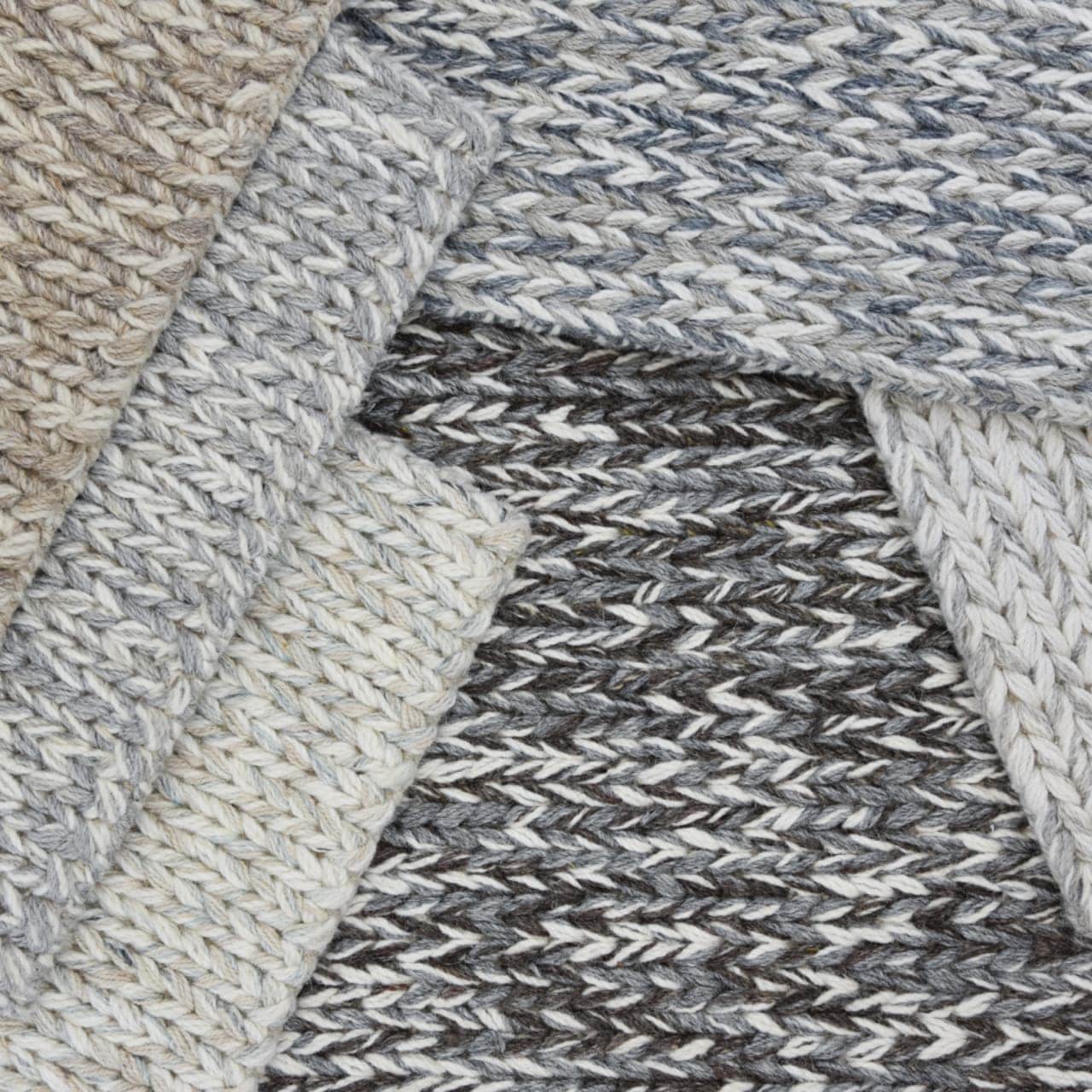
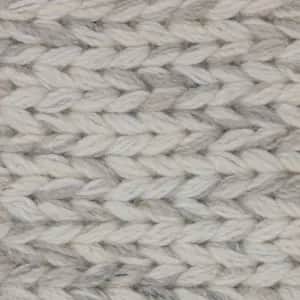
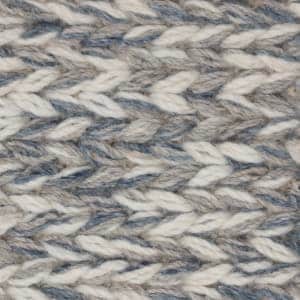
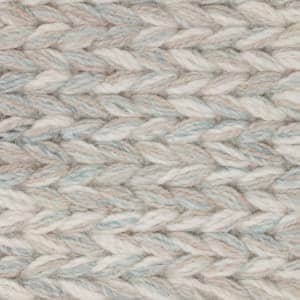
A wool blend rug is crafted from a combination of wool and other compatible fibers, either natural or synthetic. The most common additions to wool rugs include sisal, nylon, polypropylene, polyester or poly silk, TENCEL, viscose, art silk, jute, and linen. Blended wool rugs offer a range of advantages that distinguish them from 100% wool rugs. Some blended fibers create unique color or textural flourishes, while others improve durability.
Wool and Sisal Rugs
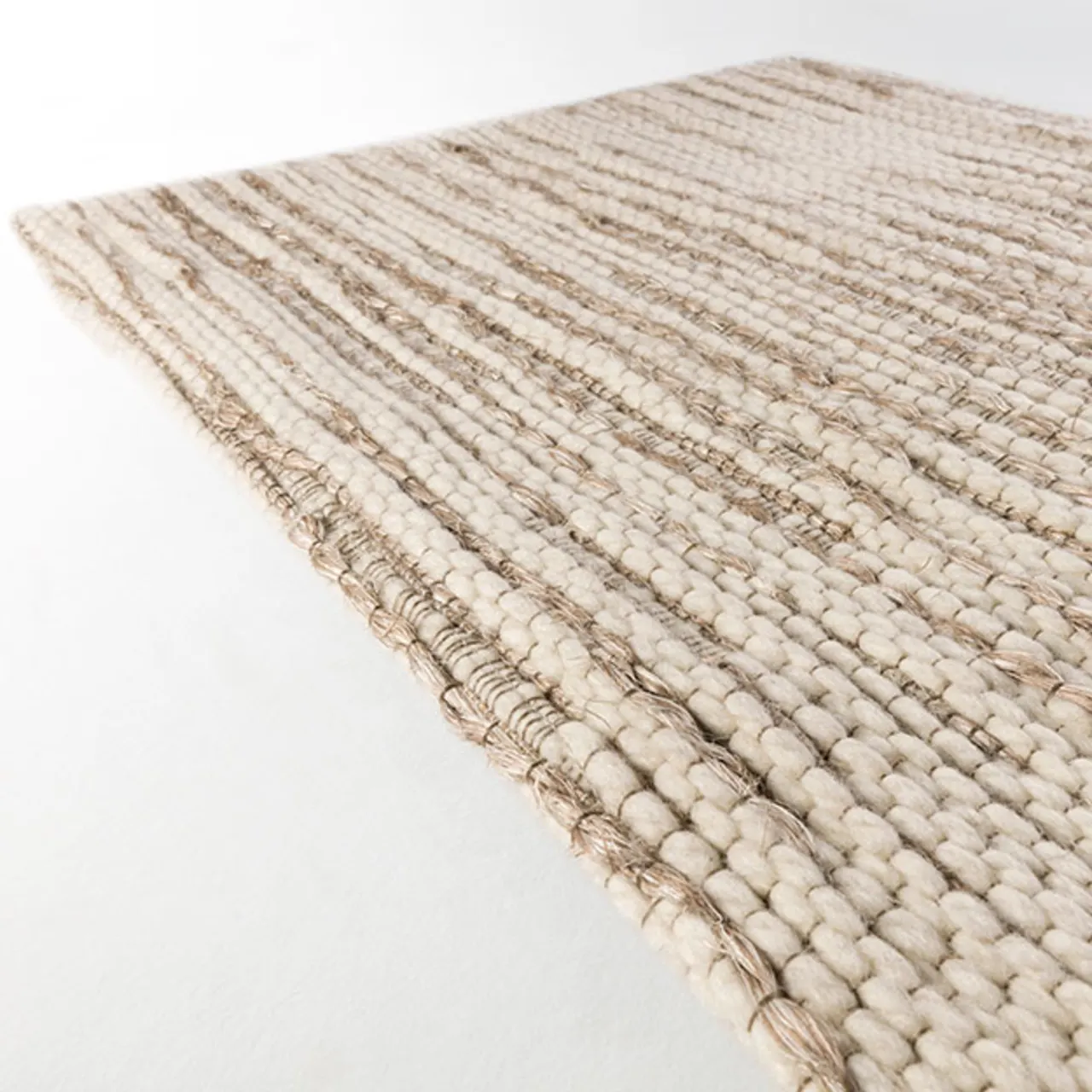
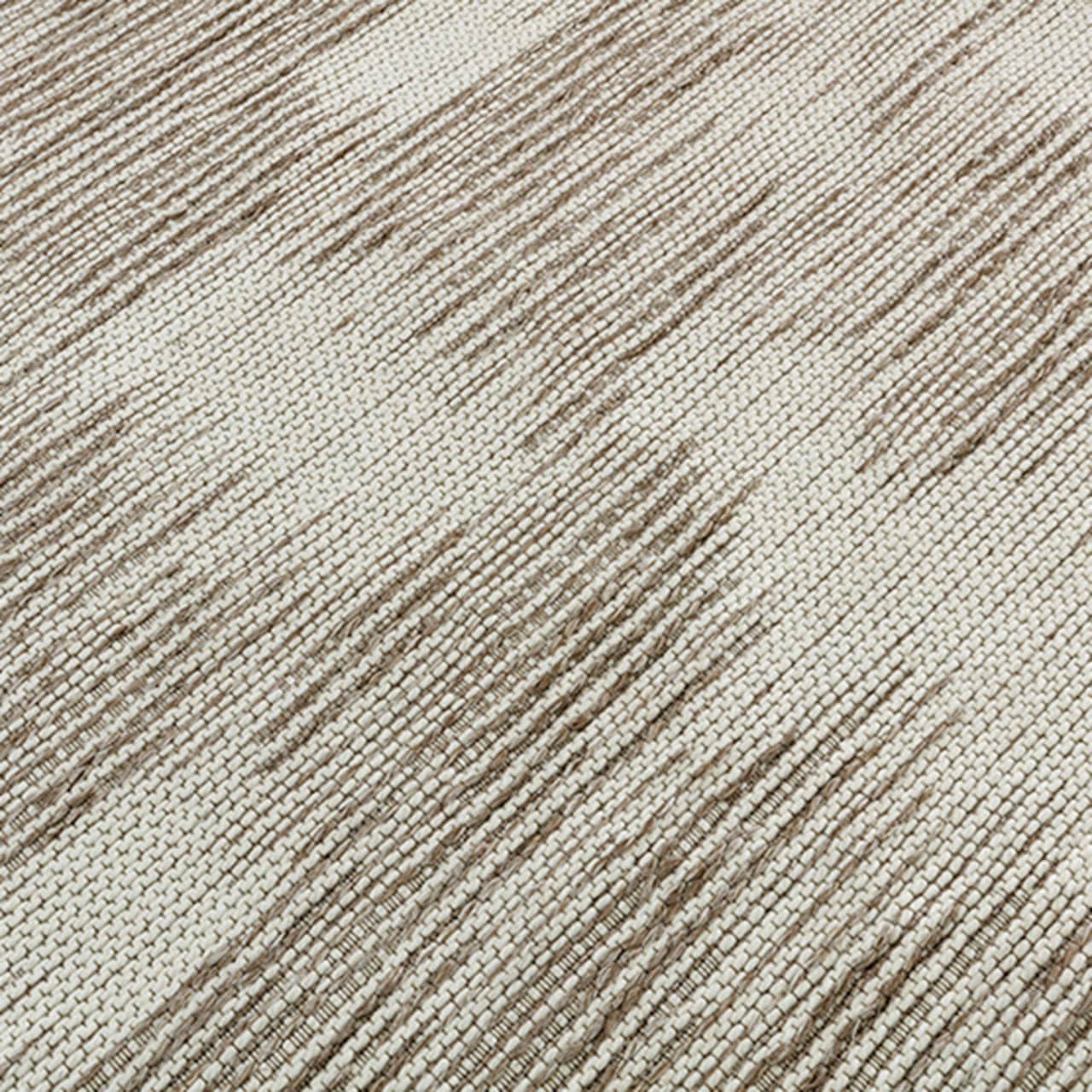
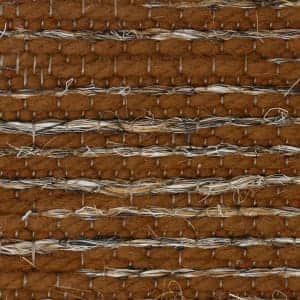
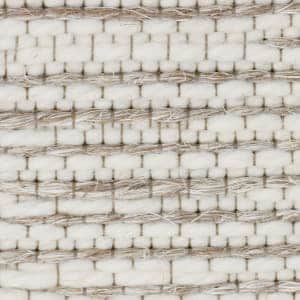
One of the most popular natural blend rugs is wool and sisal. These two fibers complement each other beautifully both in color and texture. Wool adds a softness and insulating quality to the organic, rustic beauty of sisal. Both fibers are extremely durable and together they offer greater design flexibility, comfort, and structural integrity. The color and textural contrast created when wool and sisal are woven together is highlighted in weaves like Galaxy and Hollywood.
Both wool and sisal are non-toxic, natural fibers that positively impact indoor air quality and biodegrade when the time comes, depending on the backing. Some natural rugs have a latex backing, while others have a natural backing for a complete cradle-to-cradle lifecycle. The durability of these fibers means a wool-blend rug won’t compress with heavy traffic or furniture, resulting in a rug that will look great and last for years.
Wool and Other Natural Fibers
Wool can be blended with other natural fibers like goat hair, jute, silk, TENCEL®, and linen. For example:
tretford® takes goat hair and creates durable, stunningly colorful carpet.
Mandalay Silk is a stunning wool-silk rug that adds opulence to bedrooms and living rooms.
TENCEL® is a botanic fiber that brings luminescence to Jacaranda’s Agra.
Linen is blended with wool in Limited Edition rugs like Elixir and Chic, adding smoothness and extra refinement to the weave.
Our curated Collections showcases unique blends, crafted by artists, that will add an unforgettable layer of luxury to your floors.
Wool and Nylon
The addition of nylon further improves wool’s resilience and durability, elevating many wool and nylon blended rugs to a contract-grade level. This combination also creates a stain-fighting powerhouse: wool is naturally stain-resistant and nylon is inherently stain-resistant. Examples of wool and nylon blends include:
Tight flatweaves like Polo, Rugby, or tretford® Roll have a refined, modern look that complements residential or commercial interiors of all kinds.
For a bit of plushness, Kells is a wool-nylon blend with a berber loop style pile.
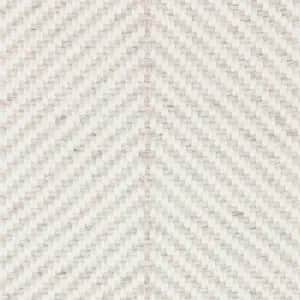
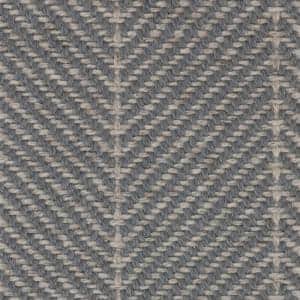
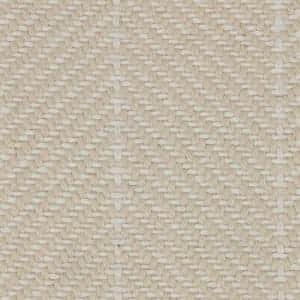
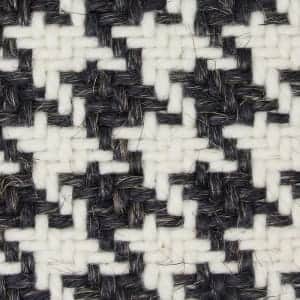
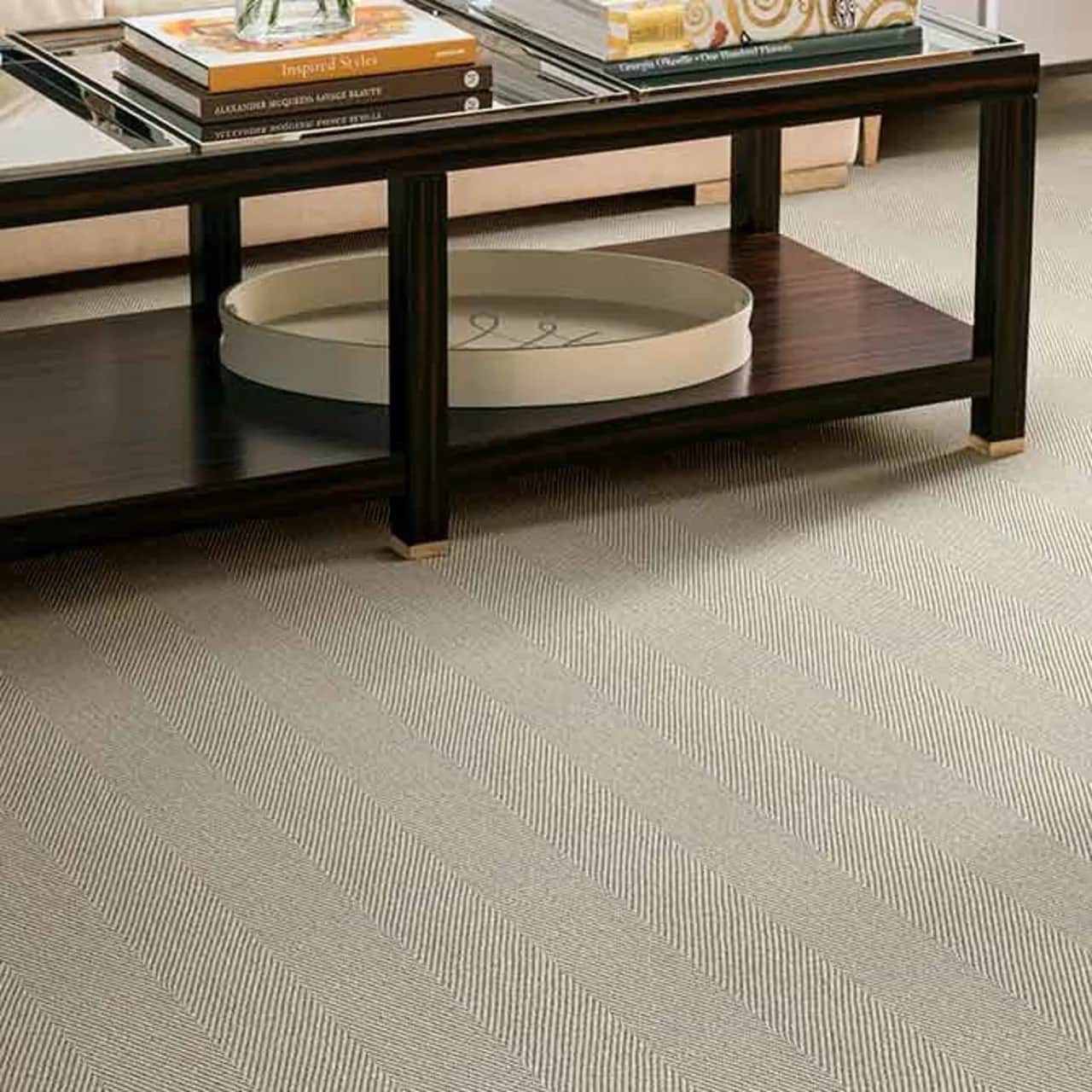
Elliot combines wool and nylon into a timeless herringbone pattern.
Wool and Polyester or Poly Silk
Polyester or poly silk add a softness and sometimes a shimmer to wool blend rugs. A wool-poly silk blend rug has all the look and luxury of wool but with more softness and less expense. Plush wool-poly silk blends include our Galway and Wethersfield, each with braided face yarns that radiate luxury.
Tencel is a silk-like botanic fiber made from wood pulp. The branded form of TENCEL™ is made by Lenzing AG of Austria and produced from sustainably sourced wood by environmentally responsible processes and certified closed-loop production methods.
When woven, this modern fiber is extremely soft and strong. It has found wide acclaim in the luxury bedding and clothing markets but also functions as an excellent addition to wool blend rugs. TENCEL™ has an inherent sheen, high tensile strength, and takes up the dye well, resulting in vibrant and deep colors. Jacaranda rugs beautifully showcase this modern fiber.
All our carpets come with care and cleaning guidelines that are accessible under the Care tab on each weave page. Furthermore, our Cleaning and Care Guides page offers suggestions to help keep your carpet looking clean and stain removal tips.
We always suggest removing shoes before entering a home and regular vacuuming. The best line of defense is preventing and removing dirt and debris before it gets embedded into the carpet. Lastly, we recommend professional cleaning service every year or two.
There are many things to consider with a wall-to-wall carpet installation and we are happy to share our many resources with you. The more you know, the more likely your installation will be a success.
For starters, we provide a general step-by-step process for selecting and ordering broadloom carpet in the FAQ section here and an overview of carpet installation is offered on our Installation page and on our blog. It is also important to understand carpet delivery—see our detailed guide here.
Always have a plan and be sure to talk to an experienced, professional carpet installer. They know how to measure properly to ensure you order enough material and can offer tips to make your installation a success. And our team of experts is available to help you along the way as well, so contact us with your questions.